Mountain road trips deliver high elevation viewpoints, rapid climate shifts, and roads engineered for steep grades. In the U.S., the strongest options combine sustained mountain exposure, reliable pullouts, and seasonal access windows. These five routes are widely recognized for topographic drama, high passes, and consistent overlooks, with notes on what makes the views stand out and when the drive is typically open. Check current park alerts for construction, timed entry, and snow closures before departure.
1. Trail Ridge Road, Colorado
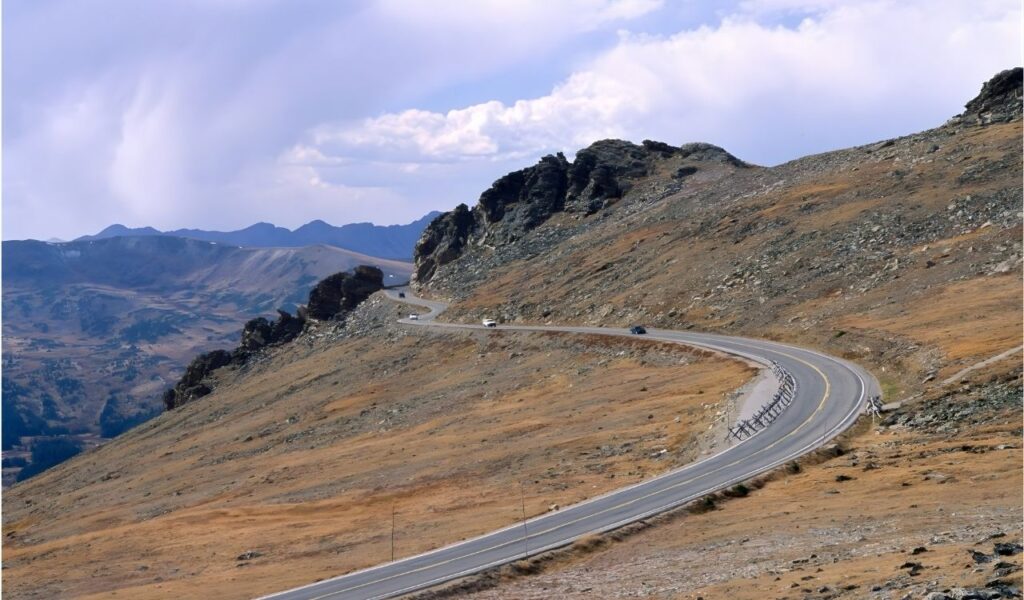
Trail Ridge Road crosses Rocky Mountain National Park and tops out at 12,183 feet, keeping drivers above treeline for extended stretches. That altitude creates long sightlines across the Continental Divide, with steady pullouts such as Forest Canyon and Rock Cut. The route is seasonal and may open only from late May or June, with rapid weather shifts, wind, and thin air even in July. Fuel and food are not on the pass, so top up in Estes Park or Grand Lake and use lower gears on descents to manage brakes. Wildlife crossings are common, so speeds stay low, and stopping in designated areas helps protect tundra plants.
2. Beartooth Highway, Montana And Wyoming
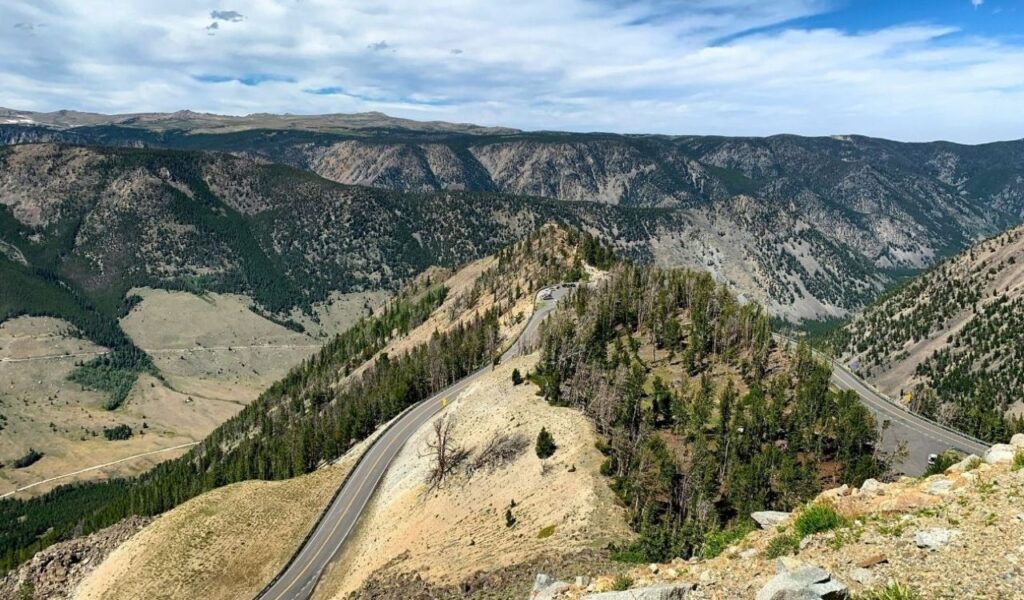
The Beartooth Highway links Red Lodge, Montana, to the northeast entrance of Yellowstone near Cooke City, climbing to 10,947 feet at Beartooth Pass. Grades are steep in places, and the road is exposed, with large pullouts that look over alpine basins and cirques. The most dramatic views arrive near the pass, where tundra replaces forest and lakes sit close to the roadway. It is usually open only in summer and early fall, and sudden snow or ice can force closures. Plan for slow driving, limited cell service, and few services between towns. Use lower gears on descents and start early to avoid thunderstorms and tour traffic near Yellowstone.
3. Going-To-The-Sun Road, Montana
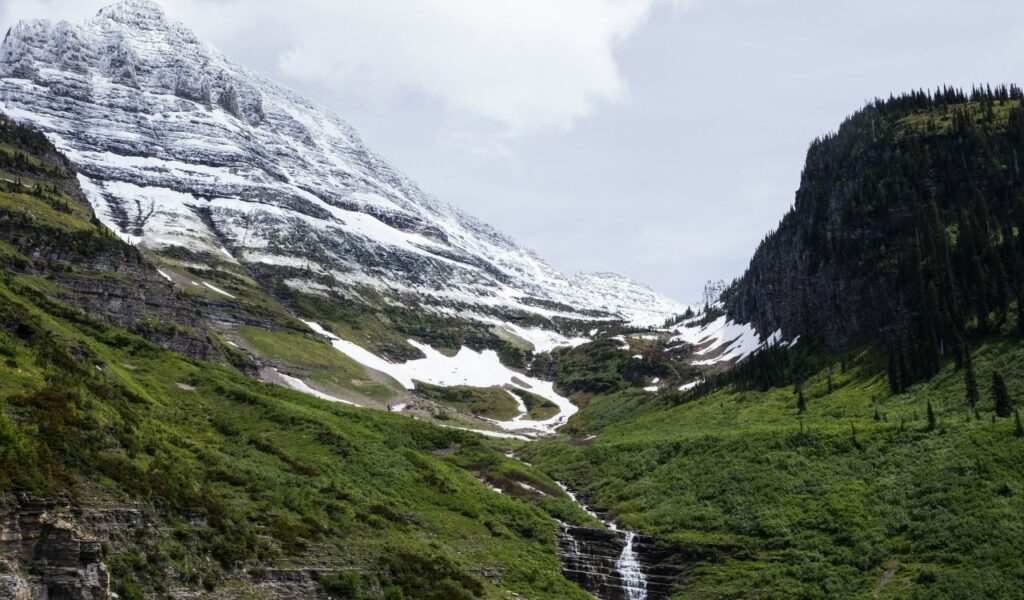
Going-to-the-Sun Road runs about 50 miles across Glacier National Park, crossing the Continental Divide at Logan Pass at 6,646 feet. The road’s cliffside engineering creates close-range mountain views, plus overlooks of glacial valleys and waterfalls during snowmelt. Access is seasonal, and parts can remain closed until summer due to avalanche risk and plowing. In peak months, timed entry is often required for the corridor, so reserve in advance and expect narrow lanes and heavy RV traffic. Parking at Logan Pass fills early, and the free park shuttle can reduce stress. Watch for mountain goats and use pullouts to avoid stopping on curves.
4. Mount Washington Auto Road, New Hampshire
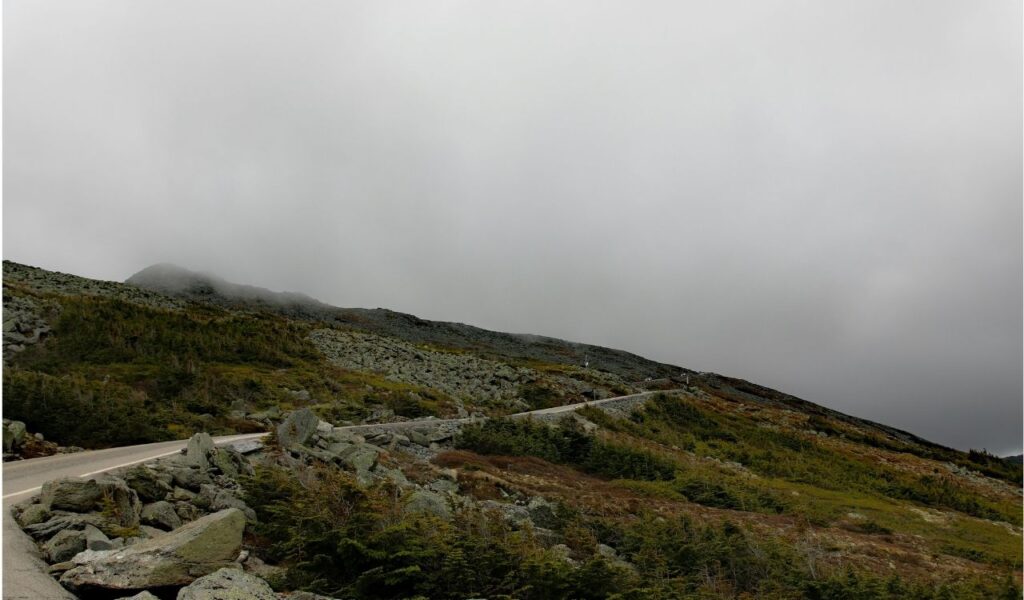
Mount Washington Auto Road in New Hampshire climbs 7.6 miles from Pinkham Notch to the 6,288-foot summit, with sustained steep grades and sharp turns. Because summit conditions can differ from the base, drivers may face strong winds, fog, or sudden temperature drops. The road is privately operated with a fee, and vehicles must stop at designated checkpoints where staff may advise on brakes. Clear days offer broad White Mountains views, while fall adds color on the lower slopes. Trailers are not allowed, and drivers are asked to use low gear on the way down. Arrive early for steadier weather and less congestion, and watch for cyclists.
5. Blue Ridge Parkway, Virginia And North Carolina
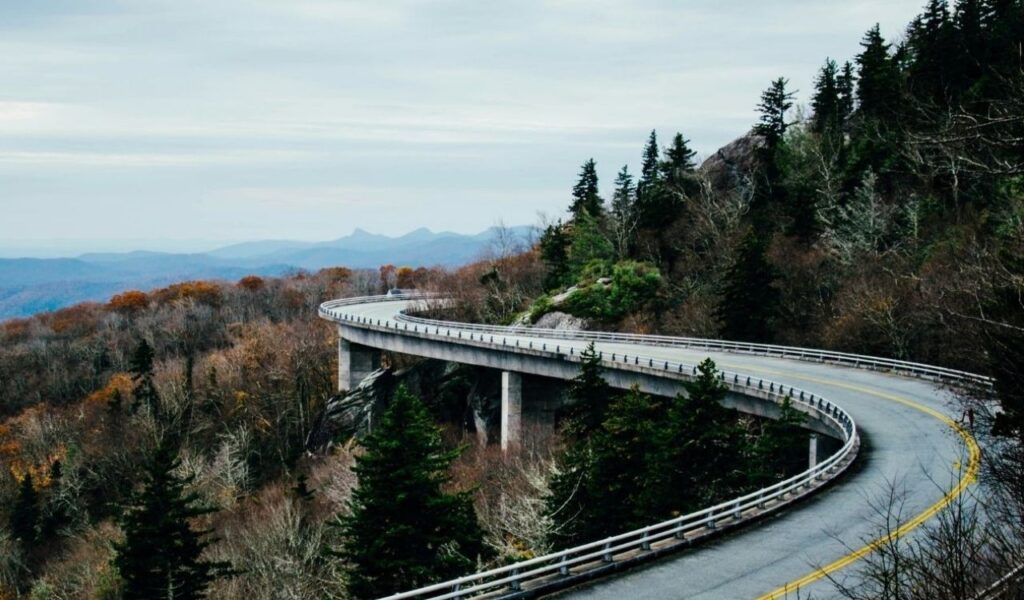
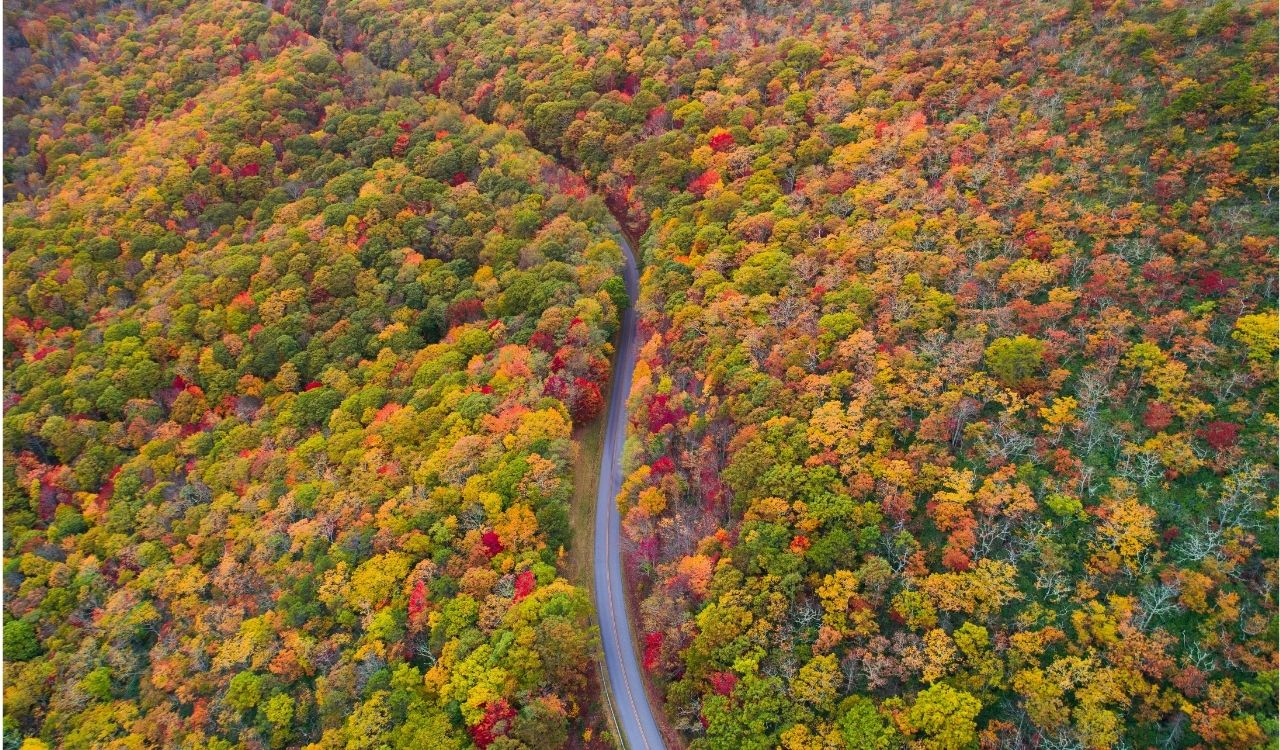
The Blue Ridge Parkway runs 469 miles from Shenandoah National Park in Virginia to Great Smoky Mountains National Park in North Carolina. It stays on ridgelines with frequent overlooks, plus short hikes to viewpoints like Craggy Gardens and Peaks of Otter. Compared with western passes, elevations are lower, but visibility can be excellent after a cold front clears the humidity. Autumn brings heavy traffic and occasional closures from storms, so weekdays and shoulder seasons often deliver smoother driving and easier parking. Speeds are slow, and trucks are restricted, so pullouts feel safer. Morning fog is common, so plan overlooks for midday.