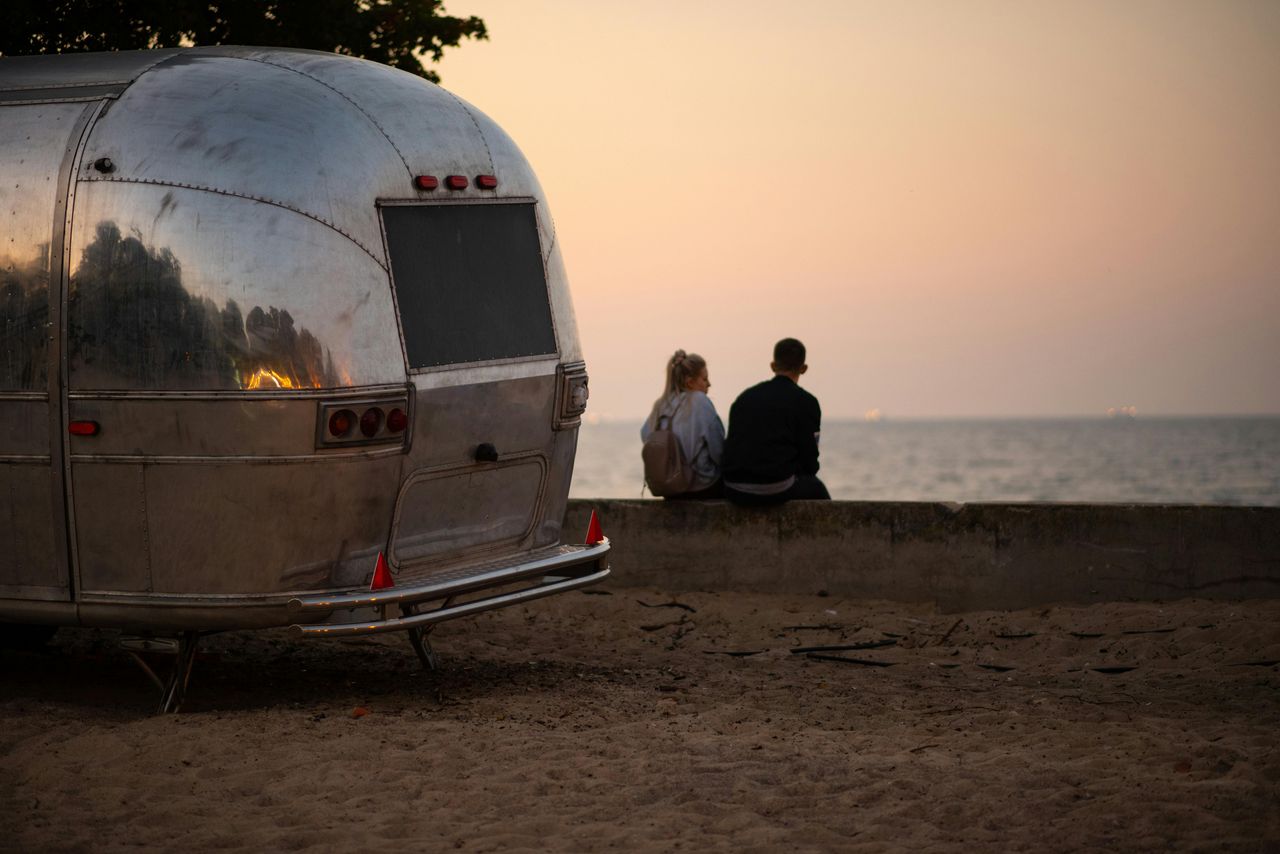
We thought full-time RV living would feel like an endless road trip.
Instead, it felt more like building a tiny, moving life while the ground kept changing under us.
We got the dream right, but we badly underestimated the systems

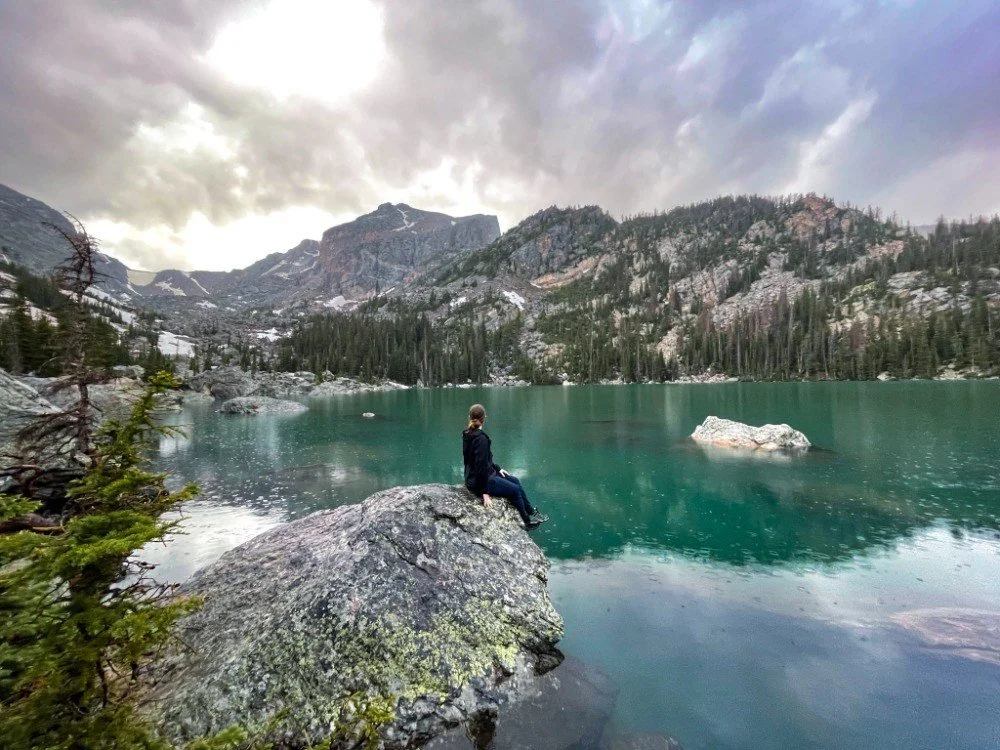
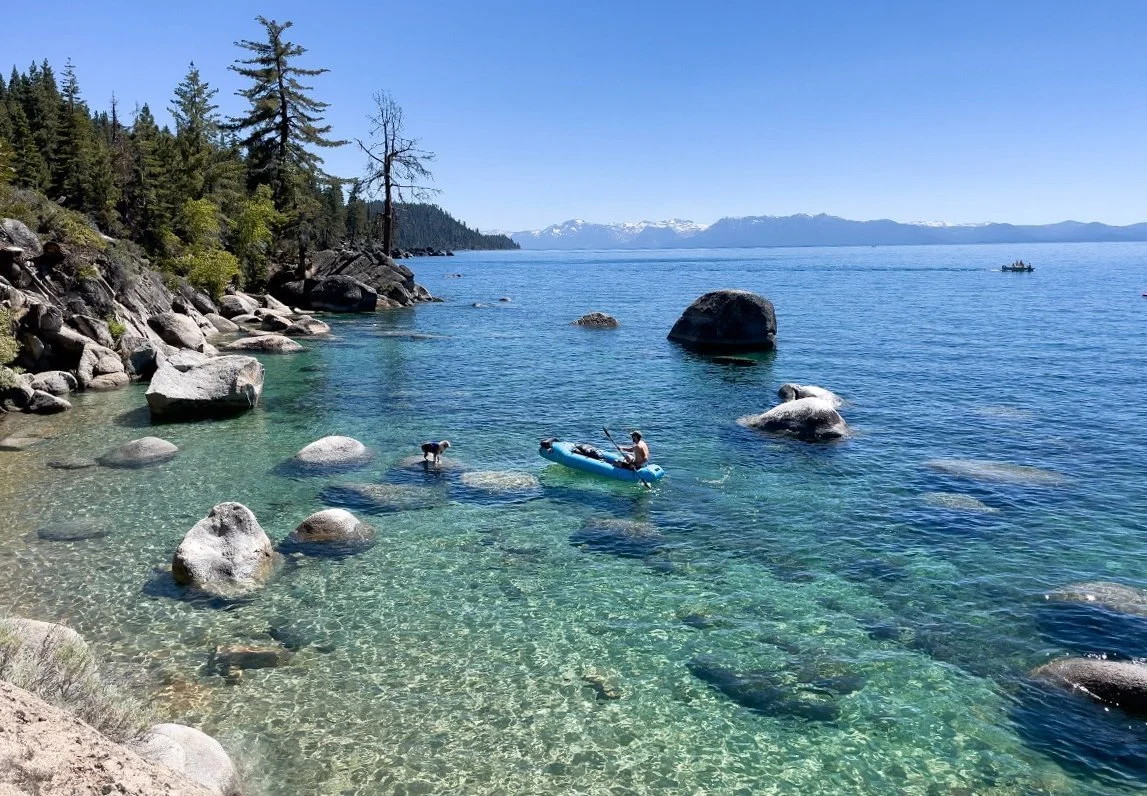
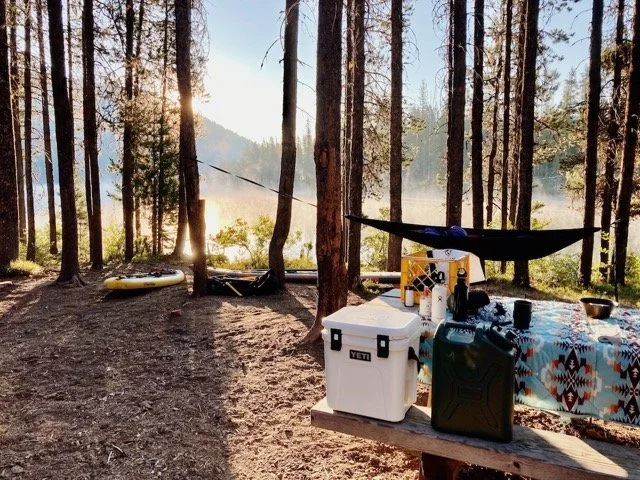
The part we got right was the reason we left in the first place. Waking up beside a river in Montana, drinking coffee in red rock country, and eating dinner under Texas sunsets really did feel as good as we hoped. The emotional payoff was real. A lot of Americans still want this kind of mobility too. The RV Industry Association says a record 11.2 million U.S. households owned an RV in 2024, and its 2025 owner profile found the median RV owner age is 49, with younger families continuing to enter the lifestyle.
What we got completely wrong was assuming the dream would carry the logistics. It does not. Full-time RVing is not just travel. It is residency, insurance, vehicle maintenance, power management, internet reliability, mail, medical care, and trip pacing, all stacked on top of normal life. We spent weeks obsessing over bedding and cookware, then got blindsided by questions like where to register the rig, how to receive prescriptions, and what happens when a package is sent to the wrong place three states behind you.
One of our earliest lessons was domicile, which sounds boring until it starts affecting everything. Full-time RVers still need a legal home state for licenses, taxes, voting, banking, and insurance. Groups like Escapees have built entire services around this because it is such a common pain point, and their mail forwarding service has been operating since 1985. We did eventually set up mail forwarding and a cleaner paper trail, but we should have done it before we pulled out of the driveway, not after a stack of overdue-looking envelopes turned into a traveling guilt pile.
We also learned that insurance changes when an RV stops being a toy and starts being your house. Progressive notes that if you live in your RV for more than six months a year, you may need full-time RV coverage that works more like homeowners protection when the rig is parked. Progressive also says the 2024 national average premium on a 12-month policy was $594 for a travel trailer and $1,052 for a motorhome. We had budgeted for fuel and campgrounds. We had not fully budgeted for the boring grown-up layers that make the whole thing legally and financially stable.
The money worked better than we expected, until it absolutely did not

We were prepared to spend money. We were not prepared for how uneven the spending would feel. Some months made us feel brilliant. We would stay longer in one spot, cook almost every meal, skip paid attractions, and watch our costs come in below what we used to spend in a fixed home. Other months hit like a baseball bat. A breakdown, a last-minute RV park booking, and a long driving stretch could blow apart the budget in ten days.
Campground strategy mattered more than almost anything. That was a surprise. We assumed fuel would be the main story, but nightly fees often had a bigger impact because they repeat without mercy. Public campgrounds can be a deal, but they are limited and often not built for every rig or every style of stay. National Park Service campground data shows how significant campground infrastructure is nationally, with RV sites making up a major share of the market, but anyone who has tried to book a prime site knows demand can make affordable camping feel like a competitive sport.
We got one thing very right: slowing down. The months when we stayed put for two weeks or a month were calmer, cheaper, and just better. We used less gas, worked more reliably, and spent less on impulse convenience purchases. We also discovered that moving days are expensive in sneaky ways. You buy coffee because you are tired, lunch because the fridge is hard to access, ice because the cooler is a mess, and random hardware because one drawer latch suddenly decided to retire.
What we got wrong was believing there was a single “full-time RV budget.” There is not. There are at least six versions of it depending on your rig, debt load, travel speed, insurance choices, health needs, and how much private camping you use. Even insurance has more range than first-time RVers expect. Nearly all states require liability coverage for motorhomes, according to Progressive, and lenders often require more if the rig is financed. The lesson was not that RV life is always cheap or always expensive. The lesson was that it is brutally honest. It reflects every habit you already have, then magnifies it inside a smaller space with wheels.
Small-space living made us better humans, then occasionally feral ones
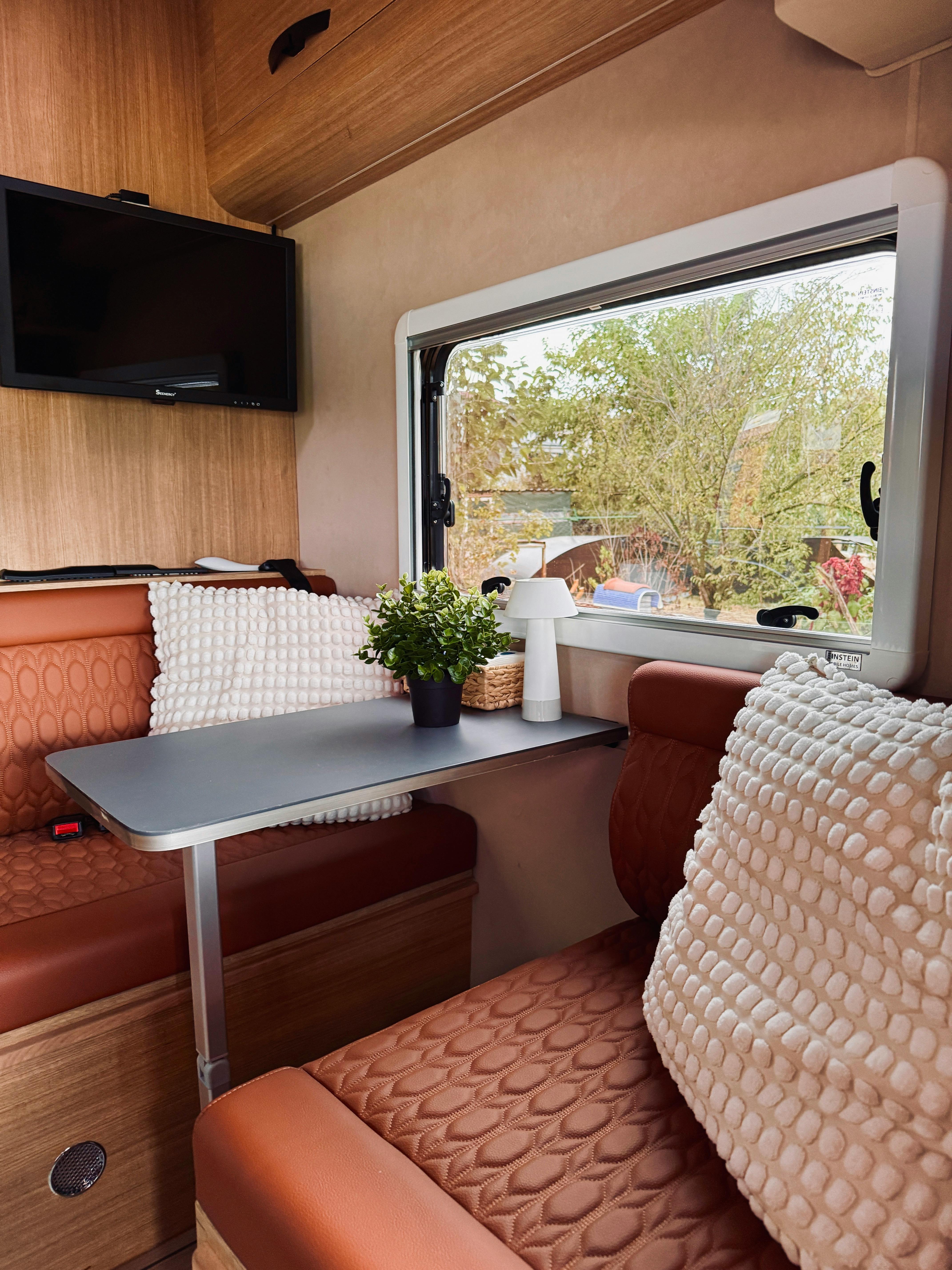
Living full-time in an RV stripped away a lot of nonsense. That part was healthy. We learned very quickly what we actually use, what we only pretend to need, and how much calmer life feels when every object has to earn its footprint. There is a strange peace in knowing exactly where your socks, coffee filters, flashlight batteries, and cast-iron pan live. Less stuff meant less visual noise, and less visual noise meant less mental clutter.
It also made us confront our habits with nowhere to hide. If one of us left a wet towel on a chair, it became a household crisis. If the trash was full, everyone knew it instantly. If one person was grumpy, the mood sat in the room like a third passenger. Full-time RVing can be cozy, but cozy is just a cute word for having no escape hatch. We got better at communicating because we had to. We also got much better at apologizing fast.
Privacy was the thing we missed most and expected least. You can love your partner, your kids, or your dog with your whole heart and still dream about a single door that closes between you and everyone else. We got this wrong in a very rookie way. We thought organization would solve everything. Organization helps, but square footage is still square footage. The fix was not buying more bins. The fix was building routines that created emotional room: solo walks, headphones, outside coffee, library stops, and the occasional cheap motel night when everyone needed to reset.
And then there was the weather. Nothing teaches you humility like trying to live comfortably in a metal and fiberglass box during a heat wave, cold snap, or three-day rainstorm. Condensation showed up in corners. Mud appeared everywhere. Laundry multiplied like it was unionized. What we got right was adapting. What we got wrong was thinking the RV was the lifestyle. It is not. The lifestyle is your habits, your flexibility, and your patience. The RV is just the container that reveals whether those things are strong or flimsy.
Travel days, maintenance, and safety were the real job we did not know we had

Before we left, we treated driving days like transitions. During the year, we learned they were workdays. Real workdays. You secure every cabinet, check route clearance, plan fuel stops, monitor weather, watch the tires, and stay alert in a vehicle that is heavier, taller, and more temperamental than a normal car. By the end of the year, we respected travel days in a way we never did at the start. We stopped pretending we could drive six hours and still have energy to “settle in” afterward.
Tires became our religion. NHTSA says proper tire pressure is the most important part of maintaining tires and advises checking pressure at least once a month when tires are cold, while also following the pressure listed on the vehicle’s placard, not just the number on the tire itself. That sounds basic until you are rolling through desert heat with a heavy load and suddenly understand how much stress those tires are carrying. We got lucky, then we got smart. Lucky first is not a great system.
Power and generator safety also became much more real than we expected. CDC guidance is blunt about carbon monoxide. It is odorless, colorless, and can kill without warning. The agency says generators should be operated outdoors more than 20 feet from windows, doors, and vents, and CDC specifically warns that generators, grills, camp stoves, and similar devices should never be used inside a camper. That seems obvious, but on stormy nights or during bad heat, obvious things can start to look negotiable. We learned that comfort is never worth getting casual about safety.
Weather planning became another nonnegotiable. Wind matters. Heat matters. Flood risk matters. Hurricane season definitely matters if you move through the Southeast or Gulf Coast. We got this wrong early by planning for destinations instead of conditions. Later, we started planning around temperature bands, storm windows, and shorter drive options. That changed everything. A good RV year is not built by heroic spontaneity. It is built by quiet checklists, boring inspections, and the kind of caution that lets the fun parts keep happening.
What we would do again tomorrow, and what we would never repeat
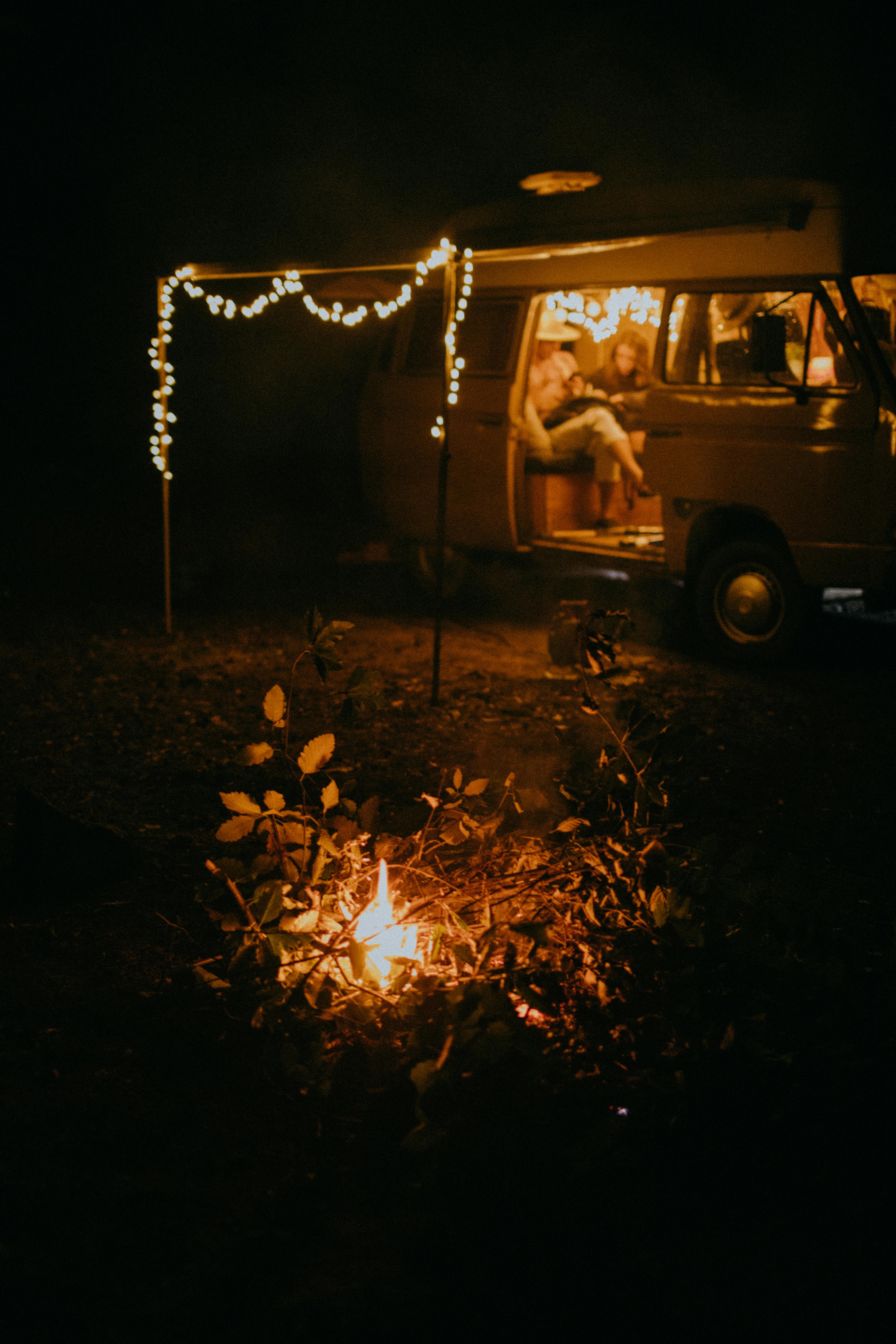
If we had to do it over, we would still go. That is the clearest truth we have. The year gave us more time outside, more unhurried mornings, and more shared memories than our old routine did. We saw parts of the country we might have kept postponing for another decade. We learned that a beautiful life does not have to look permanent to be real. It can move. It can be small. It can be patched together with campground laundry rooms, paper maps, and folding chairs.
We would absolutely repeat a few choices. We would downsize harder before leaving. We would travel slower from day one. We would prioritize maintenance over accessories every single time. We would also build our admin life first, not last: domicile, mail forwarding, insurance, medical refills, digital records, roadside assistance, and backup internet. Those things are not the exciting part of RV life, but they are what let the exciting part happen without constant low-grade panic.
What we would never repeat is romanticizing discomfort. That was one of our biggest mistakes. There is a difference between adventure and preventable misery. Skipping a rest day, driving in bad wind because the reservation is nonrefundable, pretending a weird noise is probably nothing, or squeezing into a site that is clearly wrong for your rig are all expensive forms of denial. We learned that confidence on the road should look less like swagger and more like restraint.
After one year, the biggest surprise was not the scenery. It was how honest the lifestyle is. Full-time RV living gave us freedom, yes, but it also gave us a mirror. It showed us where we were adaptable, where we were stubborn, where we were capable, and where we were still carrying silly assumptions from house life into a rolling one. We got a lot right. We got plenty wrong. And that, honestly, is probably why the year mattered as much as it did.