Thirty days without hookups changed how I think about freedom. Thirty days with full hookups changed how I think about comfort, cost, and what “easy” really buys you.
Why We Decided to Test Both Styles for a Full Month

I had heard the same argument from RV travelers for years. One camp swore boondocking was the purest version of life on the road, the kind where you wake up alone under huge skies and never pay for a site if you do it right. The other camp insisted full hookups were worth every dollar because real travel gets old fast when you are rationing water, battery, and tank space. So instead of treating it like an online debate, we gave each style 30 straight days and kept track of what actually happened.
For this test, I used the same RV, the same basic daily routine, and roughly the same kind of travel days. During the boondocking stretch, that meant no direct water, electric, or sewer connection at the campsite. That is the standard definition used by RV guides and campground operators. KOA describes full hookups as direct access to water, electricity, and sewer, usually with 30- or 50-amp service, while RV Life describes boondocking as camping without hookups and relying on your own stored water, power, and waste capacity. That difference sounds simple on paper, but in real life it changes nearly every decision you make.
The boondocking leg also came with legal and practical limits that many people romanticize away. The Bureau of Land Management says dispersed camping is generally limited to 14 days within a 28-day period in many areas, though local rules vary, and some places require campers to move 25 miles or more after hitting the limit. In other words, “free camping forever” is not actually how the system works on much of the public land many RVers rely on. Leave No Trace rules and local fire restrictions matter too, especially in dry seasons.
I went into the experiment hoping one side would clearly win. That would have made the story cleaner. Instead, the first surprise was that both styles felt a little misrepresented by their loudest fans. Boondocking was not always peaceful and cheap. Full hookups were not always easy and carefree. By the end of the first week in each setup, I realized the honest verdict would be less about which one was better and more about which headaches I preferred to manage.
What Daily Life Felt Like When We Were Boondocking
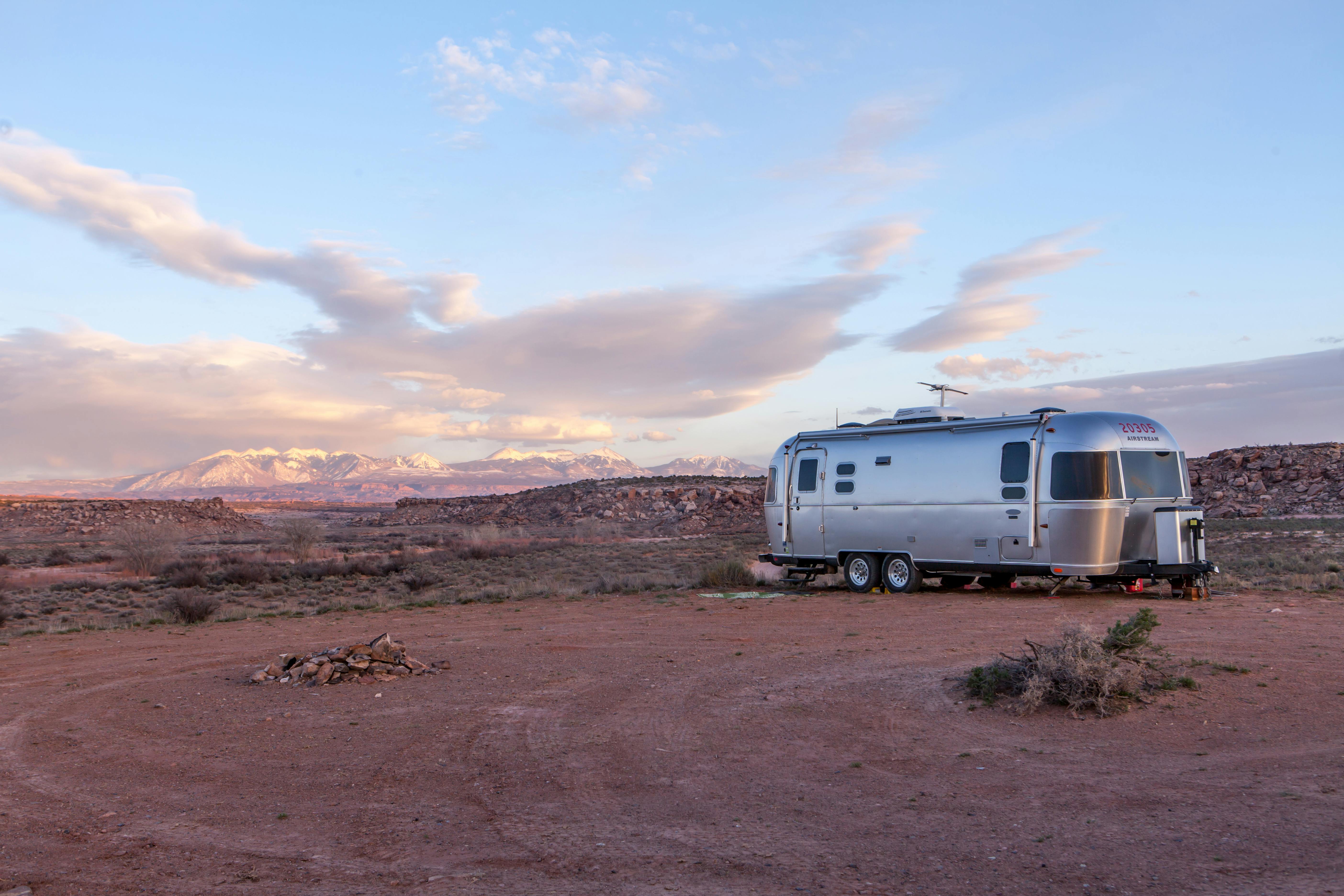
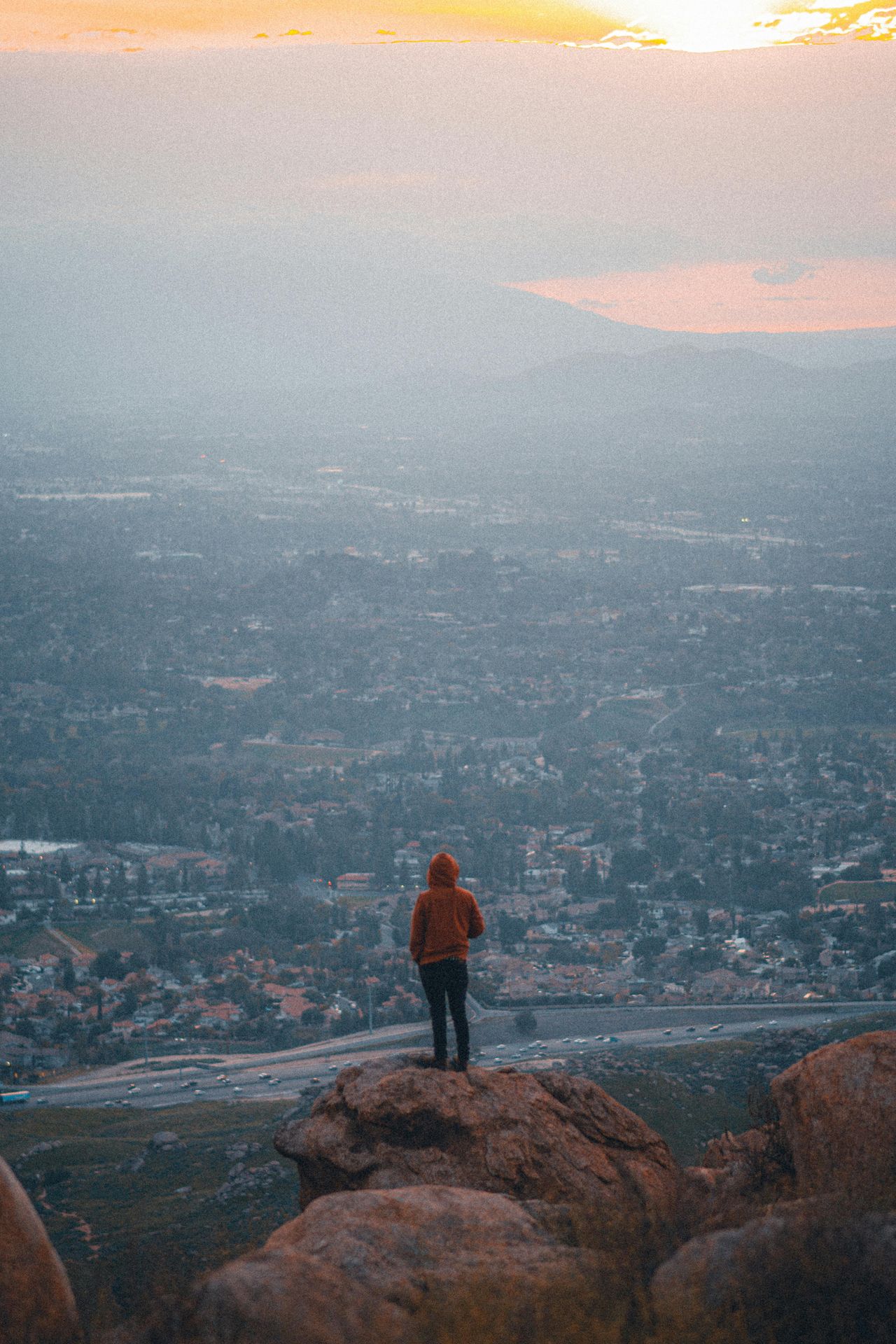
Boondocking gave me the biggest emotional high of the entire 60-day test. Waking up without rows of rigs beside me was the kind of thing that made me understand why people get evangelical about it. There were mornings when I stepped outside with coffee and heard almost nothing. No golf carts, no campground announcements, no sewer hoses getting dragged across gravel. It felt spacious in a way that is hard to explain unless you have spent time in busy RV parks where every outdoor conversation carries.
That said, every quiet sunrise came with invisible math. I was always tracking battery levels, fresh water, gray tank capacity, black tank capacity, propane, weather, and how much power a hot afternoon might pull if I gave in and ran more equipment. RV Life notes that successful boondocking depends on holding tanks and a reliable power setup like batteries, solar, or a generator, and that lined up exactly with my experience. The lifestyle was not carefree. It was more like running a tiny mobile utility company while pretending to be relaxed.
The rules on public land also shaped the experience more than I expected. BLM guidance says dispersed camping is generally allowed unless an area is posted closed, but campers still need to follow stay limits, road restrictions, and waste disposal rules. In places like New Mexico, the agency says dispersed camping is generally limited to 14 days within a 28-day period and campers may need to move at least 25 miles afterward. That meant my 30-day boondocking block was not one uninterrupted paradise. It involved scouting new locations, checking signs, verifying restrictions, and deciding whether a beautiful spot was actually legal and sensible.
Then there was the noise issue, which boondocking fans do not always advertise. Some public land sites were serene. Others were not. Generator etiquette matters everywhere, and even developed campgrounds often restrict generator use to certain windows. Recreation.gov listings for campgrounds like Bryce Canyon show quiet hours around 10 p.m. to 8 a.m. and narrow generator windows in the morning and evening. Out in dispersed areas, formal posted schedules may differ or not exist, but the principle is the same. If too many people run loud equipment, the dream of silence disappears fast. I still loved boondocking, but by the end of that month I understood that solitude is sometimes earned, not guaranteed.
What Full Hookups Changed Almost Immediately
The full-hookup month felt less romantic on day one and far more comfortable by day three. The biggest shift was mental. I stopped treating basic needs like a chess match. I could shower without calculating how much tank space I was burning through. I could run power the way the RV was designed to be used. I did not have to plan a dump run or wonder if cloudy weather would force me into an energy-saving mood. That reduction in background stress was real, and it was worth more than I expected.
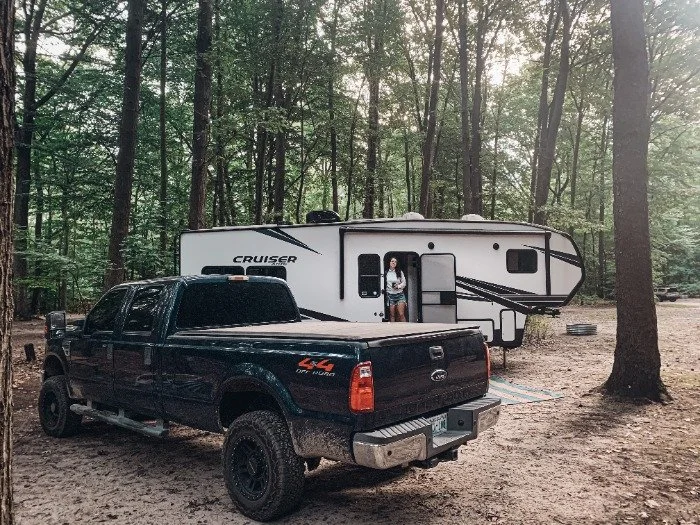
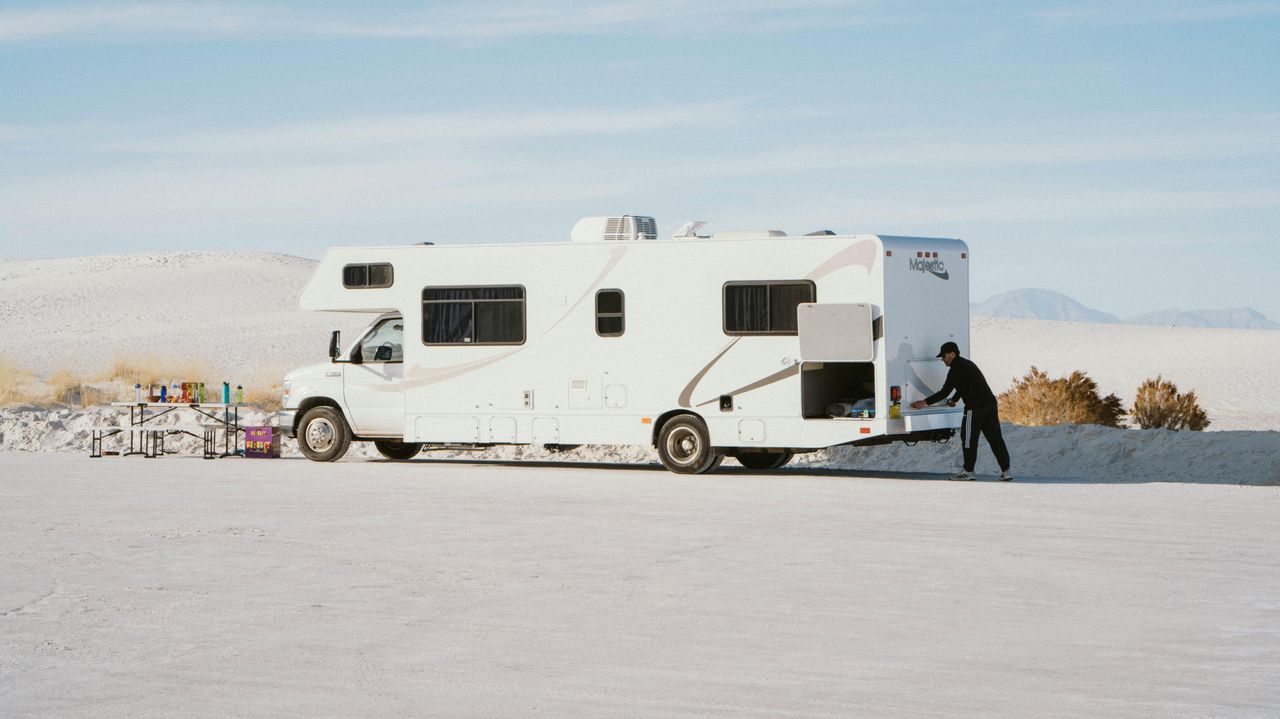
The practical setup was exactly what the campground industry promises. KOA defines full hookups as direct connections to water, electricity, and sewer, and that direct connection changes the rhythm of the day. You arrive, level, connect, and settle in. If you are in a modern RV and want air conditioning, cooking, showers, charging, and less fuss, full hookups are built for that. Many private parks also offer 30- and 50-amp service, pull-through sites, laundry, bathrooms, Wi-Fi, dog areas, and other conveniences that make longer stays feel stable instead of improvised.
But the easy life came with trade-offs that became impossible to ignore after a week. First was proximity. In many campgrounds, you are close to your neighbors. Sometimes very close. Even nice parks can feel like organized parking lots, especially when every site is full and everyone arrives around the same hour. Quiet hours are common in public campgrounds, often starting around 10 p.m., but peace still depends on who parks next to you. The difference between a restful night and a frustrating one can come down to one barking dog, one bright patio light, or one late-arriving diesel truck.
The second trade-off was cost, and that matters to a general American audience because RV travel is often sold as a budget-friendly escape. Full hookups are convenient, but convenience is rarely free. Even where nightly pricing varies widely by season and location, the broader reality is easy to see across private campground listings and operator materials: full-hookup sites are premium inventory. They are the most functional sites, often the most in demand, and often the most expensive. After 30 days, I had to admit something a lot of travelers dance around. If you stay plugged in every night, you are often paying for predictability as much as for utilities.
The Money, Stress, and Logistics Told a Different Story Than the Dream
On paper, boondocking looked like the cheaper winner by a mile. In direct site fees, it often was. Much BLM dispersed camping is free, and the agency says most BLM land allows dispersed camping unless otherwise posted. Nevada recreation guidance from the BLM also notes that most BLM land offers free dispersed camping with a 14-day stay limit. If you only compare campsite cost, the verdict seems obvious before you even leave home.
But the real-world cost picture was messier. Boondocking pushed more spending into other categories. I drove extra miles to fill water, dump tanks, reposition after stay limits, and hunt for legal, usable spots. Time became a cost too. A “free” site can stop feeling free when it requires a long detour, rough-road scouting, or repeated moves because a place is too exposed, too crowded, or too sketchy to stay. Add in solar equipment, battery upgrades, generator fuel, propane use, and the occasional paid dump station, and the savings can narrow fast depending on how your rig is equipped.
Full hookups, meanwhile, were expensive in a straightforward, honest way. You know what you are paying for. The site comes with water, sewer, electric service, and usually easier access to showers, laundry, and trash disposal. For people working remotely, traveling with kids, managing medical needs, or just trying to reduce uncertainty, that predictability has genuine value. I found myself wasting less time on utility management and route improvisation. That did not lower the nightly fee, but it did lower the friction of daily life.
Stress was the category that surprised me most. Boondocking created more systems stress. Full hookups created more people stress. Off-grid living meant I was checking resources, weather, terrain, and backup plans all the time. Campground living meant I was dealing with check-in windows, reservation schedules, site spacing, noise, and the small social frictions that come with shared space. Neither month was stress-free. They just asked different parts of my brain to stay on duty. Once I saw it that way, the contest stopped being “cheap versus expensive” and became “self-reliance versus convenience.”
The Honest Verdict After 60 Days on the Road
If I had to choose only one style for the rest of the year, I would not pick either extreme. That is the honest verdict. Thirty straight days of boondocking felt inspiring but operationally tiring. Thirty straight days of full hookups felt comfortable but a little too structured and expensive for the kind of travel I enjoy most. The clear winner was the combination, not the ideology.
Boondocking was better when I wanted scenery, quiet, flexibility, and lower direct camping costs. It made ordinary mornings feel memorable. It also forced me to pay attention, be prepared, and respect public-land rules that exist for a reason. BLM guidance on outdoor ethics and Leave No Trace is not just bureaucratic language. When more people camp on public land, careless dumping, overstaying, road damage, and fire risk affect everyone else. The best version of boondocking depends on people treating shared land responsibly, not just treating it as free inventory.
Full hookups were better when I needed recovery, stability, and ease. They were especially valuable after travel days, during bad weather, or anytime I wanted the RV to function more like a small apartment and less like a carefully managed resource puzzle. KOA and other campground operators are not wrong to market hookups as a comfort upgrade. They are. The problem is that comfort can quietly become dependency. After a while, I caught myself losing some of the adaptability that made RV travel appealing in the first place.
So here is my simple, plain-English takeaway. If you are new to RVing, full hookups are the easier starting point. If you already know your rig and want more freedom, boondocking can be deeply rewarding. But for most people, especially in the U.S. where travel budgets, weather, and campground conditions vary wildly, the sweet spot is using both on purpose. Boondock when the place is worth the effort. Book hookups when rest, weather, or logistics make comfort the smarter call. After 60 days, that did not feel like a compromise. It felt like finally understanding what the road had been trying to teach me all along.