Solo hiking can feel radical in the best way. It is also much safer when you stop thinking in slogans and start thinking in systems.
Safety starts long before you leave the trailhead
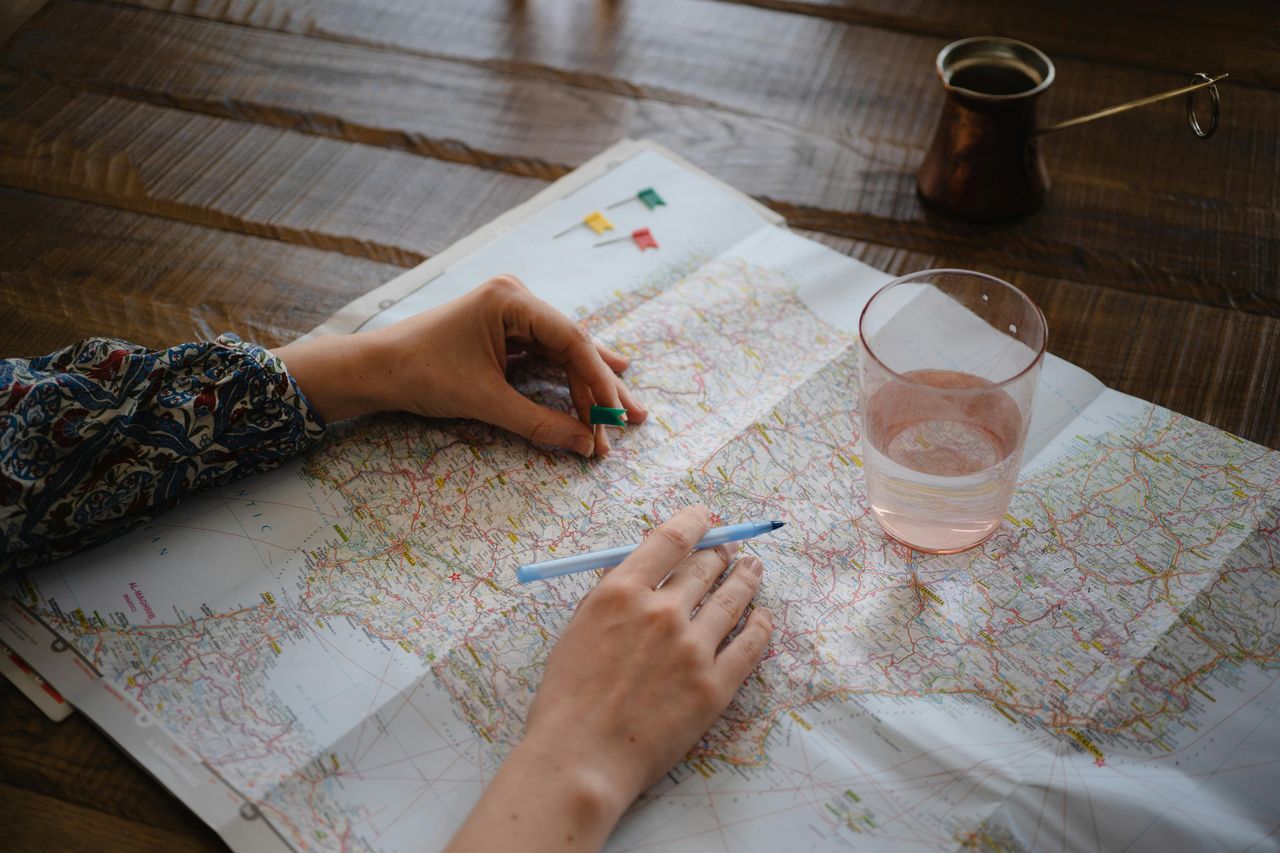
Most solo hiking safety decisions are made at home, not in the woods. The National Park Service, the U.S. Forest Service, and American Hiking Society all push versions of the same idea: plan your route, know the conditions, carry the Ten Essentials, and tell someone exactly where you are going. That advice sounds basic until you look at what actually gets hikers into trouble. It is usually not a dramatic attack by a stranger. It is bad weather, dehydration, getting lost, injury, poor timing, or relying on a phone that loses signal or battery.
For women hiking alone, route choice is a real safety tool. A trail with clear signage, recent trip reports, a well-defined turnaround point, and predictable traffic is often the smartest call, especially if you are building confidence. That is not fear talking. That is good risk management. The same logic applies to timing. Starting early gives you daylight margin, more chances to meet other hikers, and less pressure to “push a little farther” when your energy or judgment drops.
The Ten Essentials remain relevant because they solve the most common backcountry problems. The National Park Service says to pack navigation, sun protection, insulation, illumination, first aid, fire, repair tools, nutrition, hydration, and emergency shelter. Even on a day hike, that list matters. A rolled ankle, a wrong turn, or a storm front can turn a short outing into an unplanned night out faster than most beginners expect.
The other pre-hike decision that matters is communication. Leave a precise trip plan with one reliable person, not a vague “I’m going hiking.” Include trailhead, route, start time, expected return, your car description, and when they should escalate if they do not hear from you. If you hike in cell dead zones, a satellite communicator is not paranoia. It is one of the clearest examples of gear that can materially change an outcome when something goes wrong.
The biggest risks are usually environmental, not human
This is the part many women need to hear clearly: fear of male violence in outdoor spaces is understandable, and research on women’s outdoor recreation shows that harassment concerns are real. Recent public health research has also found that women report interpersonal safety concerns during outdoor daytime activity more often than men. But on most U.S. hikes, the most likely threats are still environmental and medical. Heat, cold, slick terrain, river crossings, lightning, altitude, wildlife mistakes, and navigation errors are what routinely turn into rescues.
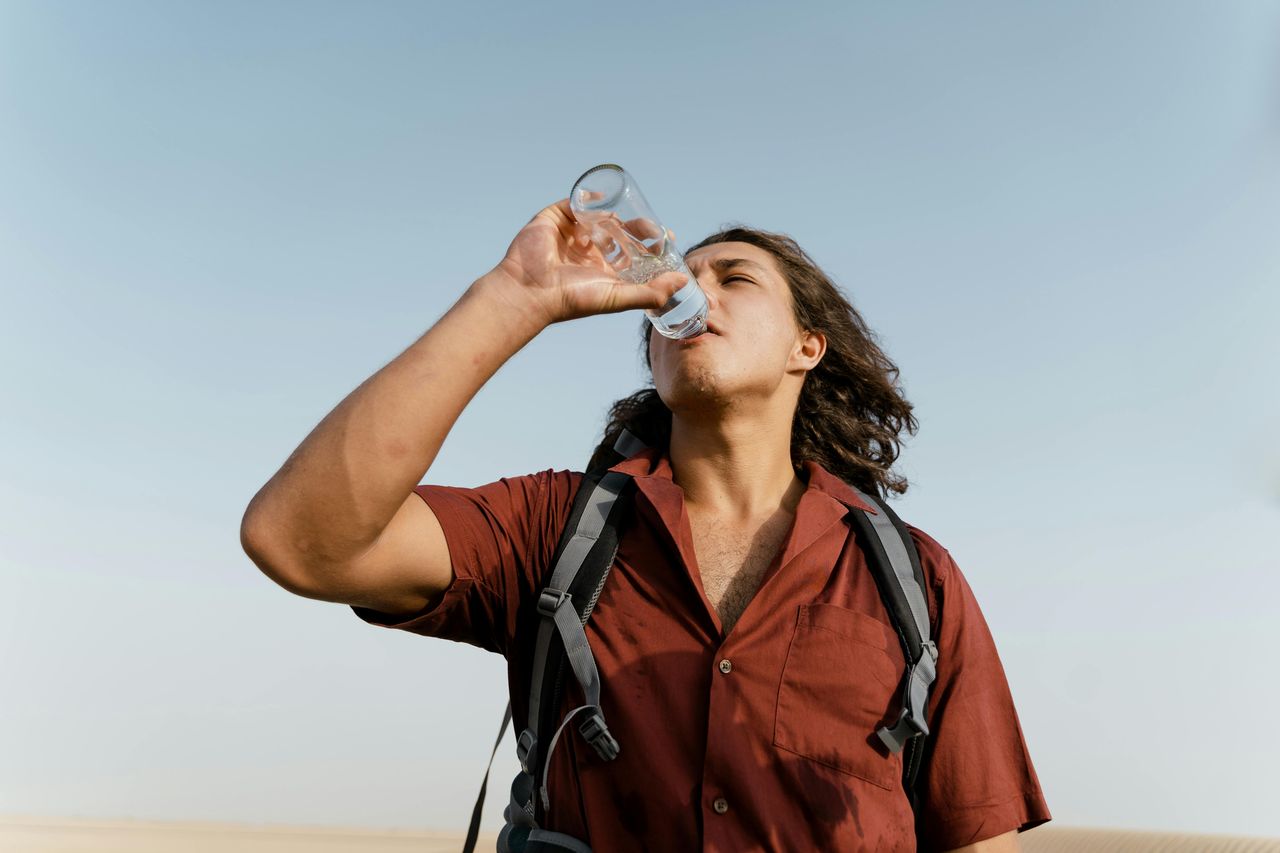
That matters because it changes how you prepare. In hot weather, the CDC advises drinking more water than usual and not waiting until you feel thirsty. The National Park Service also recommends carrying extra water and food, especially because delays are common when people underestimate how slowly they will move. On exposed trails, heat illness can creep up as headache, irritability, nausea, and bad decisions before it looks dramatic. Many hikers treat hydration as comfort. It is really a judgment issue.
Wildlife is another category that gets distorted by social media. In bear country, the Forest Service and National Park Service both emphasize food storage, making noise when appropriate, staying alert, and carrying bear spray where recommended. Yellowstone notes that people are more likely to be attacked by bears when hiking off-trail. That detail matters because it connects two risks at once: losing the route and increasing wildlife danger. The safest solo hiker is often the one who stays boringly on plan.
Ticks deserve more attention than they get. The CDC says to use EPA-registered repellents, treat gear with permethrin when appropriate, and check your body and clothing after the hike. That is not a small issue. Preliminary CDC-linked tracking reported unusually high emergency visit rates for tick bites this spring. A lot of solo hikers worry about cinematic danger and then walk straight through waist-high grass in shorts. Real safety is often less dramatic and more disciplined.
What actually works against human threats
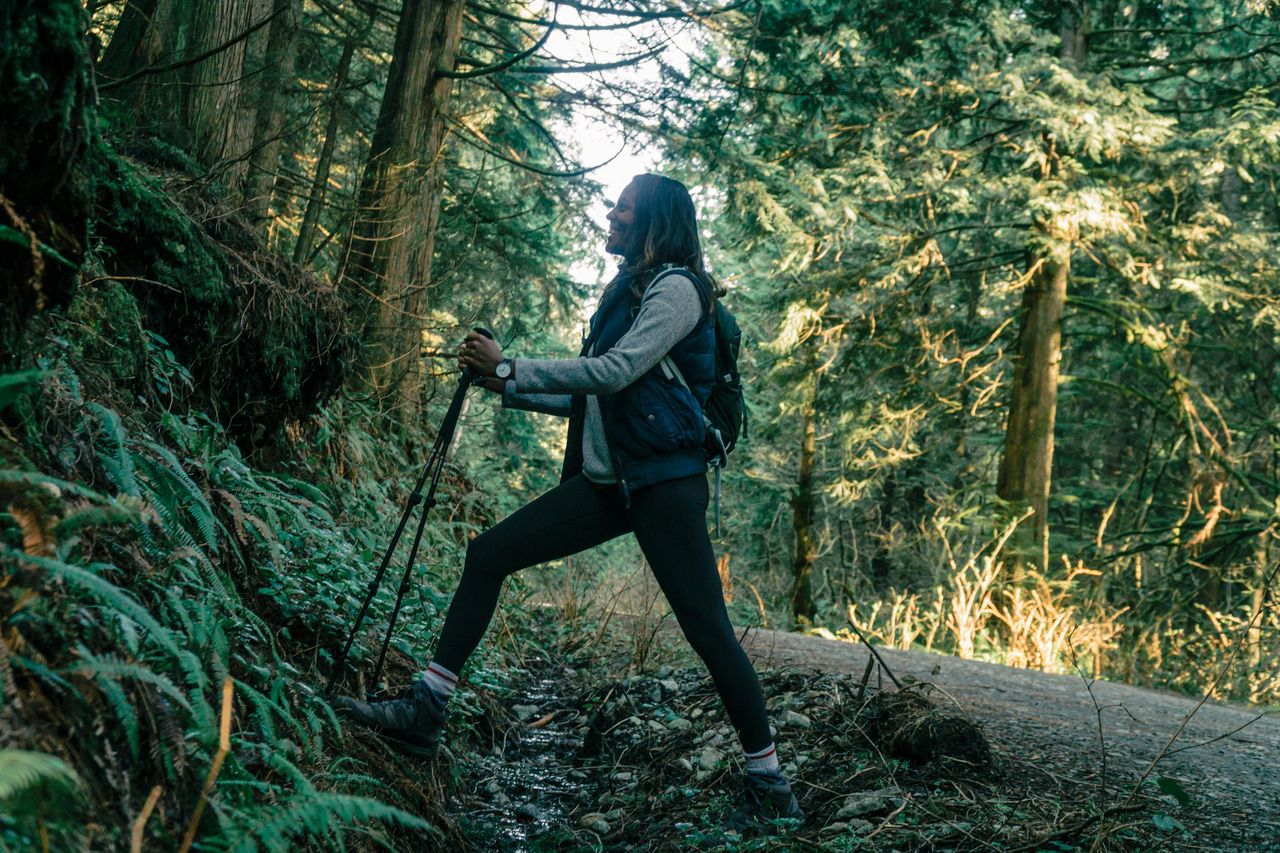
When women imagine solo hiking danger, they often picture one terrible encounter with one bad person. That can happen, and it should not be minimized. But what actually helps is not a fantasy of winning a fight in the wilderness. It is stacking small advantages early enough that the situation never becomes intimate, confusing, or hard to exit.
The first advantage is trail selection. Busy but not overcrowded trails, especially in daylight and in well-used recreation areas, reduce isolation without trapping you in constant close contact. The second is pattern control. Do not post your live location publicly. Do not announce that you are alone to strangers. If someone’s energy feels wrong, you do not owe them warmth, openness, or detailed truth. A simple “My people are just ahead” or “I’m meeting friends at the lot” can create distance without confrontation. Social smoothness is useful, but so is strategic vagueness.
The third advantage is movement. If a person makes you uneasy, keep walking toward a known point with other people, a trail junction, a ranger area, or the trailhead. Do not let discomfort turn into a stationary conversation because you are trying to seem nice. Women are often taught to manage awkwardness instead of risk. Outdoors, that habit can work against you. Clear boundaries are safer than polite ambiguity.
Tools can help, but only if they are legal where you are, easy to access, and something you have practiced using. Bear spray is for bears, not a general self-defense plan, though some hikers carry a separate personal safety tool where state and park rules allow it. A whistle is underrated because it is simple, light, and effective for drawing attention. Trekking poles are not self-defense gear, but they do create space, improve stability, and project confidence. The point is not to cosplay toughness. It is to make yourself harder to isolate, easier to locate, and quicker to help.
Confidence comes from systems, not bravado
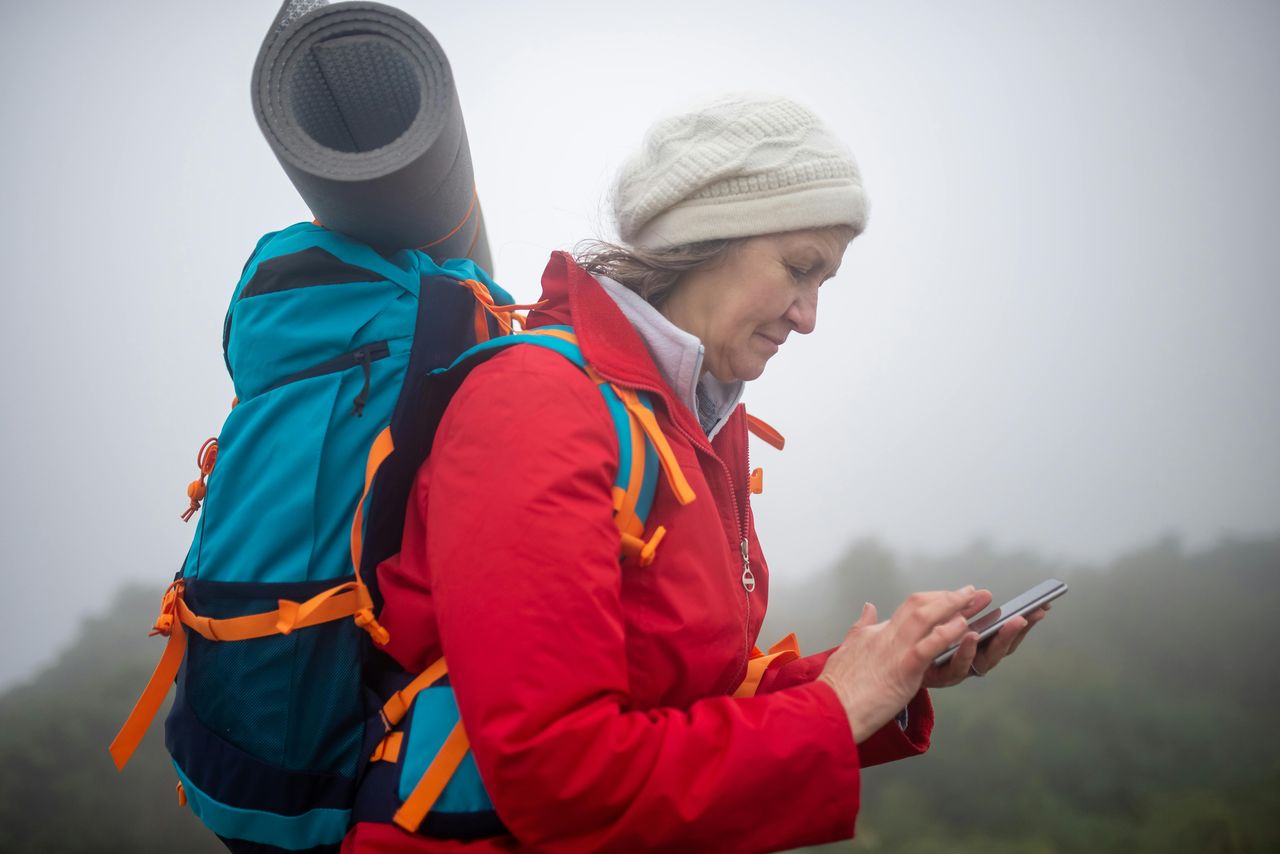
The women who look relaxed alone on trail are rarely carefree in the naive sense. They are usually running a quiet checklist. They know the route, they know the forecast, they know their pace, and they know what they will do if something feels off. That is confidence in its most useful form: not the belief that nothing bad will happen, but the belief that you can respond competently.
One of the smartest ways to build that competence is progressive exposure. Start with shorter hikes on popular, well-marked trails. Then add distance, elevation, remoteness, shoulder-season conditions, or pre-dawn starts one variable at a time. Too many people leap from neighborhood walks to isolated wilderness loops and then treat their anxiety as proof that solo hiking is inherently unsafe. Often it just means they skipped the middle steps that build judgment.
Navigation is a perfect example. A downloaded map is good. Knowing how to use it when you are tired, turned around, and under tree cover is better. The same goes for satellite communication. Devices are valuable, and rescue reports increasingly show how much satellite SOS has changed outcomes. Backpacker reported this year that Garmin has now logged a rapidly growing number of SOS incidents since inReach technology entered the market, and a meaningful share of users also self-rescue after getting support. The lesson is not that gadgets make you invincible. It is that backup communication buys time and options.
Practice also changes your read on fear. Some fear is data: wrong turn, dark clouds, aggressive dog, weird stranger, unstable footing. Some fear is borrowed noise from headlines, true crime, and years of being told that female freedom is reckless. Experience helps you separate the two. That is one of the most powerful safety skills a woman can develop outdoors.
The safest solo hikers are the ones who stay adaptable
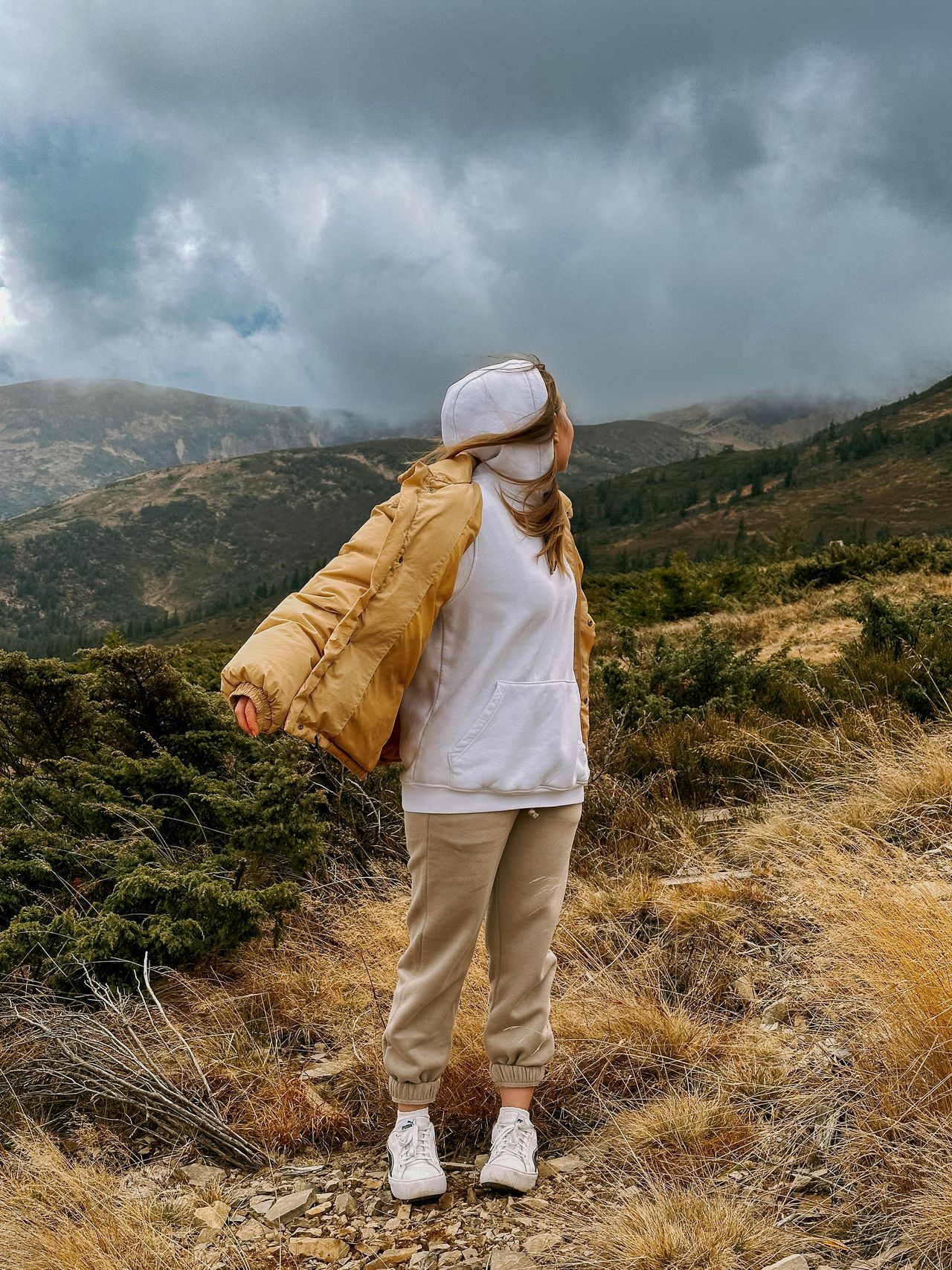
There is no perfect checklist that makes solo hiking risk-free. The women who stay safest are usually the ones who notice early, adjust fast, and never get emotionally attached to “completing the plan.” They turn around when the creek is too high, when thunder builds earlier than forecast, when the trail disappears, when their knee starts talking back, or when another hiker sets off internal alarms they cannot quite explain. Good judgment often looks boring from the outside.
That adaptability includes pacing. Build in margin for wrong turns, rest stops, slower climbs, and the simple fact that descending technical terrain can take longer than expected. Keep some food and water in reserve instead of treating the last sip as the finish-line reward. The National Park Service explicitly advises packing an extra day’s food for outdoor activity. That sounds excessive until you are delayed six hours by weather, an ankle tweak, or helping someone else.
It also includes respecting place-specific risk. Desert trails punish poor water planning. Appalachian trails can mean slick roots, fast weather swings, and spotty service. High-elevation western hikes can turn cold shockingly fast after sunset. In parts of the Upper Midwest and Northeast, tick exposure may be a bigger practical threat than anything with teeth. “Safe” is not a personality trait. It is a local calculation.
The deeper truth is that solo hiking safety is not about shrinking yourself until nothing can happen. It is about becoming skillful enough that freedom is supported by preparation. Women do not need patronizing advice to stay home, smile more, or carry fear like a ritual. They need accurate information, realistic tools, and permission to trust both evidence and instinct. Out there, what keeps you safe is usually not looking fearless. It is being ready, paying attention, and leaving yourself options.