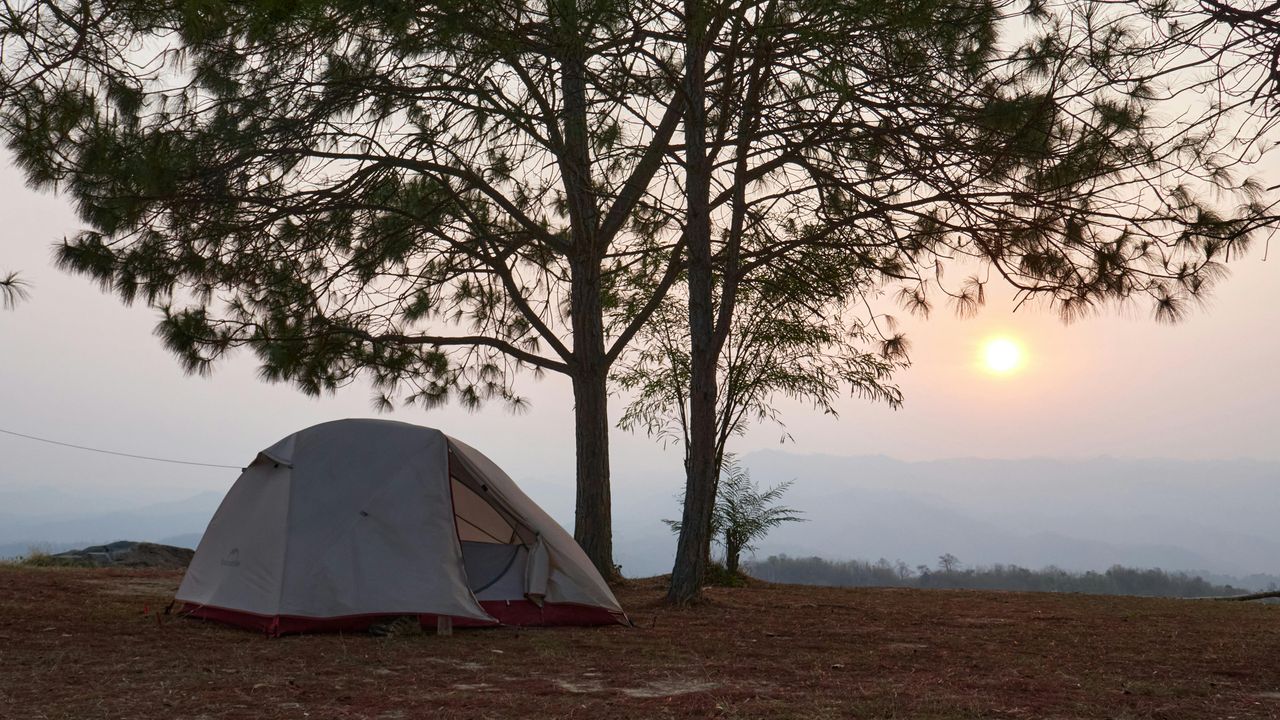
Some campgrounds sell a dream. Quiet pines, empty skies, and the feeling that you somehow slipped past the map.
So I loaded the car, chased six of those promises, and found out which ones were truly off the beaten path and which ones were simply good at marketing.
1. The Forest Service Hideaway That Really Did Feel Miles Away
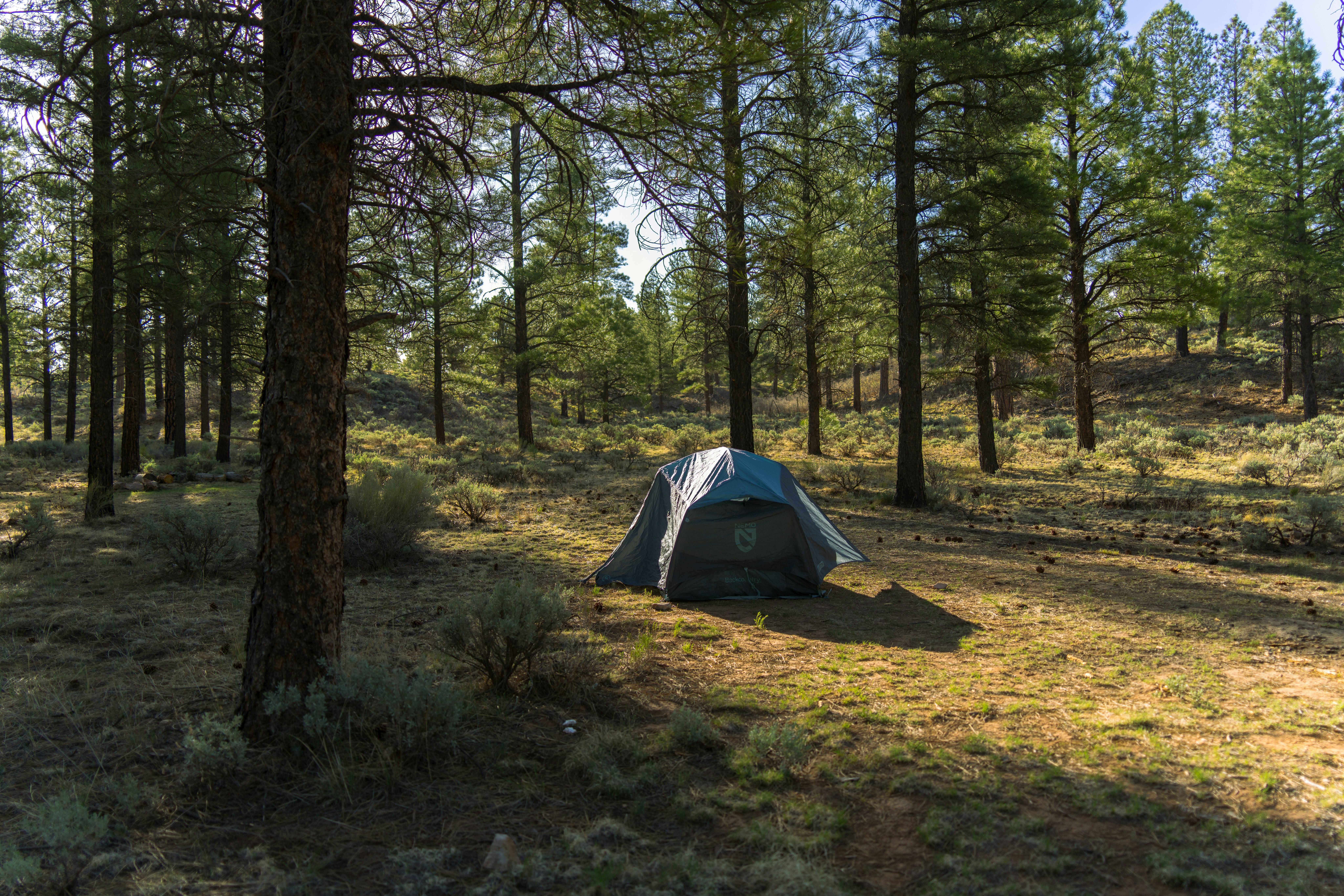
The first place I tested was the kind of campground people whisper about instead of posting too loudly online. It sat on national forest land, down a long road that went from pavement to gravel to that washboard rattle that makes you question every life choice that brought you there. By the time I rolled in, I had passed more deer than cars, and that alone felt like a good sign.
This is where the idea of “off the beaten path” starts getting real. The U.S. Forest Service defines dispersed camping as camping outside designated campgrounds, usually with no toilets, trash service, or piped water. In many forests, you also cannot camp near developed recreation areas, and some forests limit stays to 14 days. That sounds romantic in theory, but in practice it means you need to arrive ready, organized, and comfortable being on your own. The Forest Service is very clear that you need to pack out waste, avoid driving off established roads, and check local restrictions before you go.
What I loved here was the silence. Not fake silence with RV generators humming in the distance. Real silence. Wind in the trees, one far-off bird call, and the odd crackle from my own camp stove. I could feel my shoulders drop in a way that only happens when there is no signal and no plan except dinner before dark.
But the tradeoff was immediate. No tables. No drinking water. No easy fire setup. If I had shown up with the usual front-country camping mindset, I would have been miserable by sunset. The National Park Service notes that most camping in parks is still frontcountry camping, where visitors drive into established campgrounds, and that is what many casual campers are actually expecting even when they say they want solitude.
So did this one deliver? Absolutely. It was remote, peaceful, and worth the rough road. But it also taught me the first rule of this whole trip: the farther a campground gets from the beaten path, the less forgiving it becomes.
2. The “Secret” Lake Campground That Wasn’t Exactly a Secret
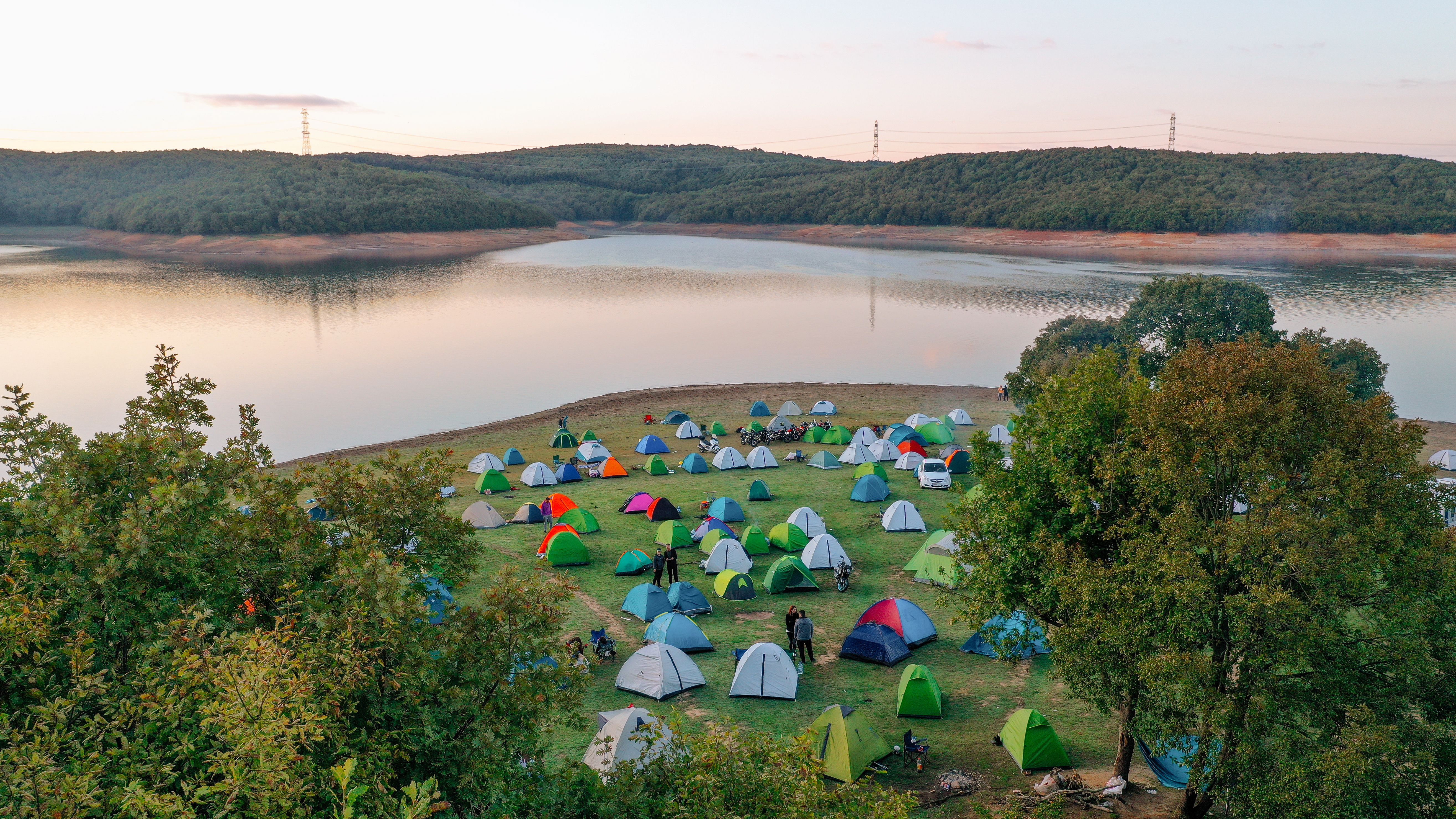
The second campground had all the right buzzwords. Hidden. Tucked away. Local favorite. Quiet waterfront. You know the type. It looked perfect in photos, especially at sunrise, with a thin line of mist over the water and not a soul in sight. I got there on a Friday afternoon thinking I had outsmarted the weekend crowd. I had not.
By dusk, the place was full. Not chaotic, not terrible, but definitely not secret. Kids were skipping rocks. Someone two sites over was trying very hard to play acoustic guitar for the entire lake. A fishing boat sputtered in just after sunset. It was still pretty, and honestly, it was still better than a packed state park near a major city, but “off the beaten path” was doing some heavy lifting.
This is not unusual. According to The Dyrt’s 2025 Camping Report, 81.1 million Americans camped in 2024, including 5.8 million first-timers. The same report found that difficulty finding an available campsite remained a major issue, with 56.1% of campers reporting trouble booking one in 2024. That lines up perfectly with what I kept seeing on this trip: even lesser-known places are feeling the pressure, especially anything near water, mountains, or a photogenic overlook.
What saved this campground was balance. It had enough distance from town to feel like a getaway, but enough infrastructure to keep the trip easy. I had a picnic table, a fire ring, a vault toilet within walking distance, and a flat tent pad that did not try to ruin my lower back. After one night in a more primitive site, I will admit that felt luxurious.
Emotionally, this one hit a different note. It was not lonely. It was communal in that classic American camping way, where you overhear little family traditions, smell bacon from the next site over, and watch strangers become temporary neighbors for one night. That is not what everyone means by “off the beaten path,” but it is still a kind of escape.
My verdict was simple. Beautiful, worthwhile, and relaxing. But hidden? Not anymore. If you want actual seclusion, you need to go farther, arrive earlier, or accept fewer comforts.
3. The Desert Campground That Made Me Respect Preparation
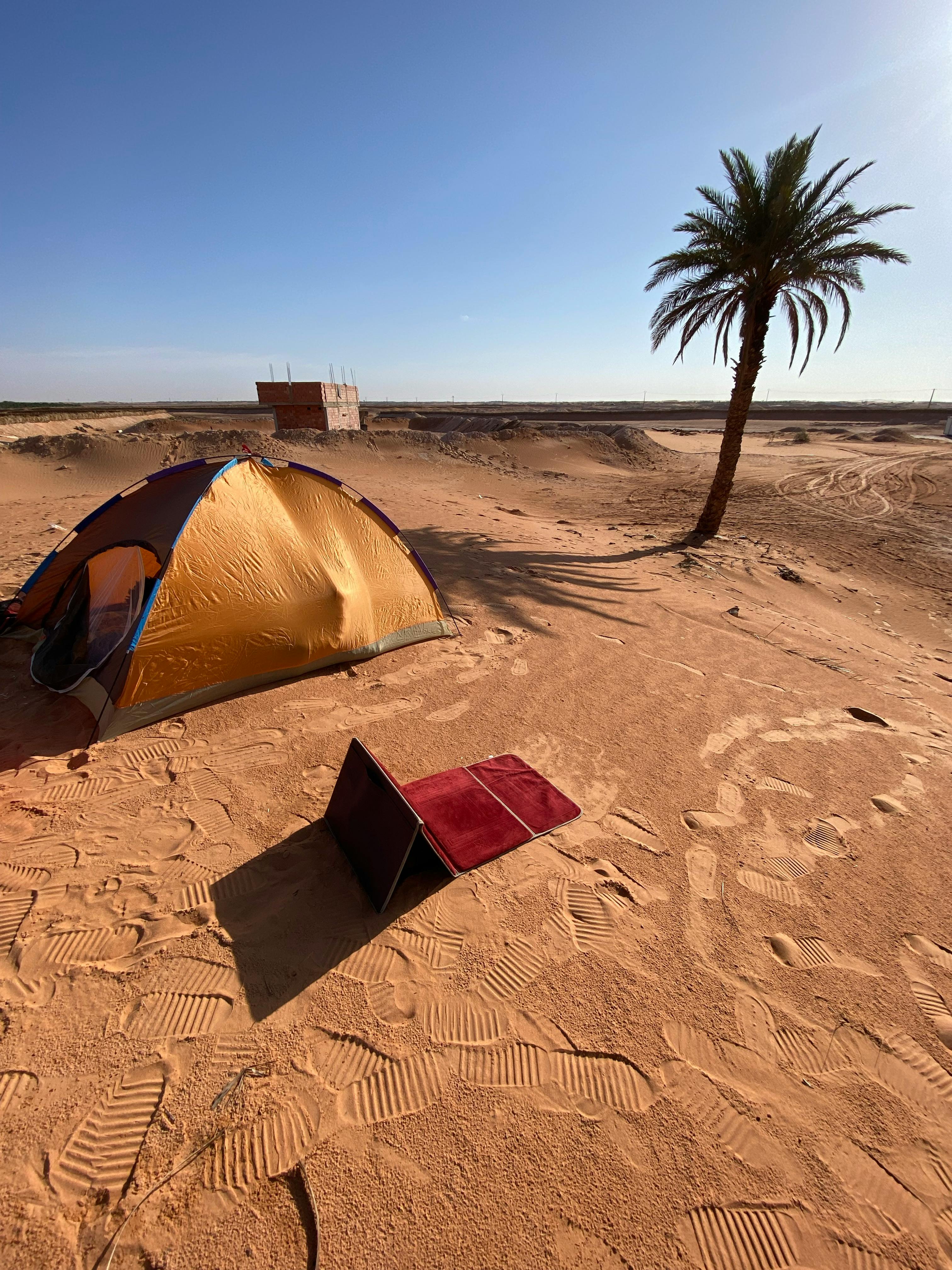
The third stop was the kind of place that looks empty on the map because it really is empty. Wide desert basin, volcanic rock, giant sky, and almost no margin for error. It was stunning in a stripped-down, hard-edged way. Nothing here tried to charm me. It simply existed, and I had to meet it on its terms.
That turned out to be the most honest “off the beaten path” claim of the whole trip. Places like this are often primitive or first-come, first-served, and official guidance makes it clear they can come with strict limits. At El Malpais National Monument, for example, the National Park Service notes that primitive camping requires Leave No Trace ethics and that you cannot just park overnight at a trailhead and head out however you want. Across federal lands, the details matter. One district allows dispersed camping broadly, another restricts it near recreation sites, and another may require permits or seasonal fire compliance. It is never smart to assume.
By late afternoon, the desert began its usual trick. The light softened, the temperature dropped, and everything looked cinematic. But camping there was less about scenery than systems. I had to think about water use, food storage, wind exposure, and how quickly darkness falls when there are no nearby lights to ease the transition. Even setting up a tent took more thought because the ground was stubborn and rocky.
And yet, this was one of my favorite nights of the trip. There was no social scene to lean on and no amenity to distract me. Just dinner from a pot, a chair in the dust, and a sky so crowded with stars it almost felt theatrical. That kind of quiet does something to you. It trims the day down to its essentials.
This campground absolutely delivered on remoteness. But it also exposed a gap between how people talk about adventure and how they actually travel. A place can be gorgeous and still be a bad fit for anyone who arrives underpacked, overconfident, or expecting convenience. The lesson here was blunt but valuable: true solitude is rarely effortless.
4. The Mountain Site With the Best View and the Toughest Access
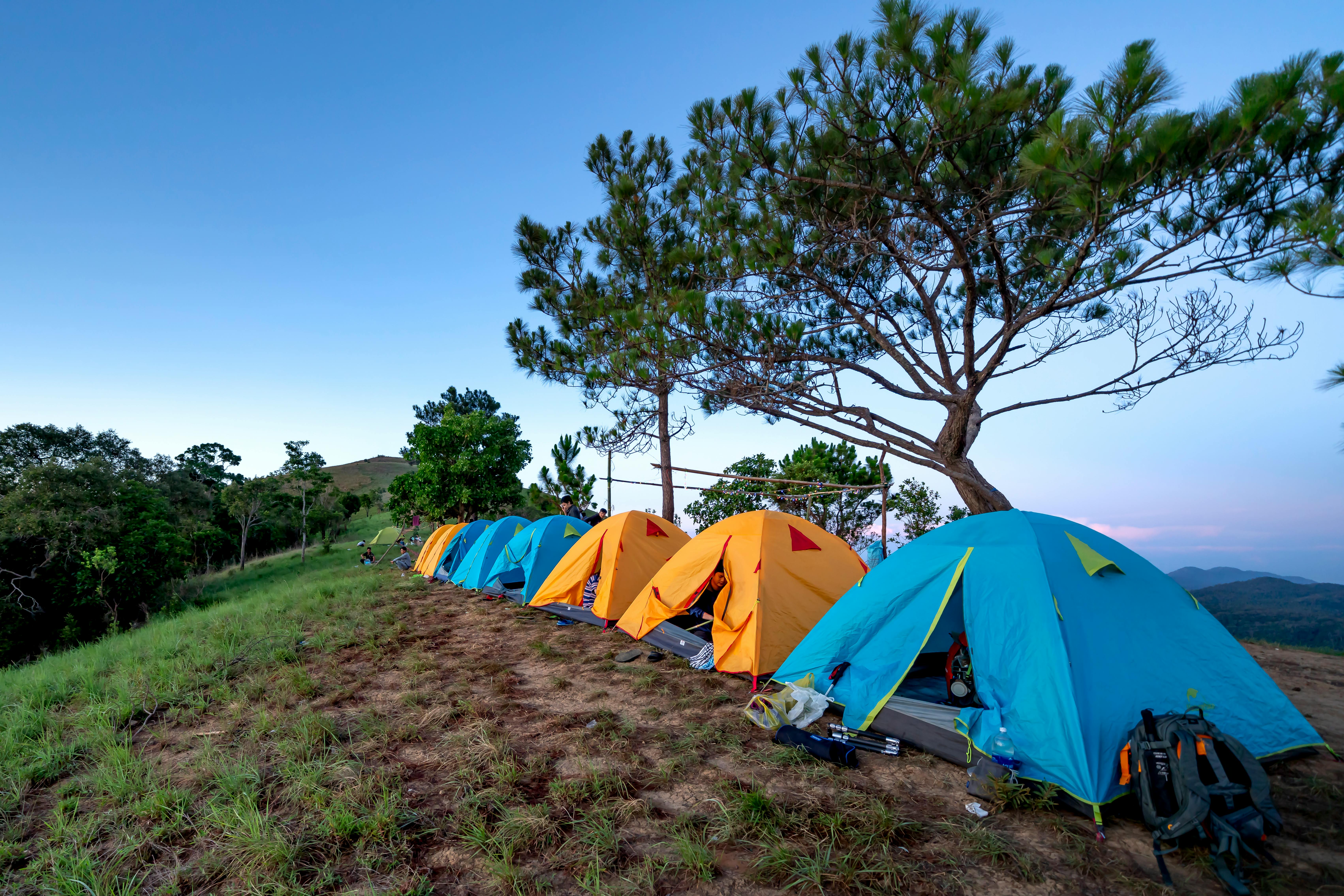
The fourth campground had the most dramatic payoff and the most annoying road. You know those places where every review says, “Worth the drive,” which is usually code for “your suspension will never forgive you”? This was that place. It climbed into the mountains through switchbacks, potholes, and one stretch so narrow I had to stop and let a pickup creep past with both mirrors folded in.
When I finally reached camp, though, I understood the hype. The view opened up over a ridge line that caught the last light in layers of blue and copper. It felt high, clean, and far from everything. This is the fantasy many campers are chasing now, especially as busier public campgrounds become more competitive. National Park Service guidance still points many visitors toward established campgrounds and reservation systems, while Recreation.gov remains the main gateway for many federal sites. But as booking pressure rises, more people are looking beyond the obvious places.
That trend has a downside. The more people chase “hidden” places, the less hidden they stay. The Dyrt’s reporting has tracked this pressure for years, and the bounce back in campsite scarcity shows that public-land demand remains intense. You can feel that tension on the ground. Even a mountain site reached by rough road now has a reputation, a tagged location somewhere, and a growing line of people who heard it was still quiet.
Still, this one kept enough friction to protect itself. Families with small kids might think twice. Large trailers definitely should. Casual campers without a real map or a backup plan would likely turn around. In a strange way, the hard access was the feature. It filtered out the people who wanted a scenic backdrop more than an actual camping trip.
I slept especially well here. Maybe it was the cooler air. Maybe it was the satisfying exhaustion that comes from earning a place instead of just reserving it. Whatever it was, this campground felt like the middle ground I had been looking for all trip: remote enough to feel special, developed enough to feel manageable, and scenic enough to make me forget the road by morning.
5. The Riverside Spot That Felt Like Old-School Camping
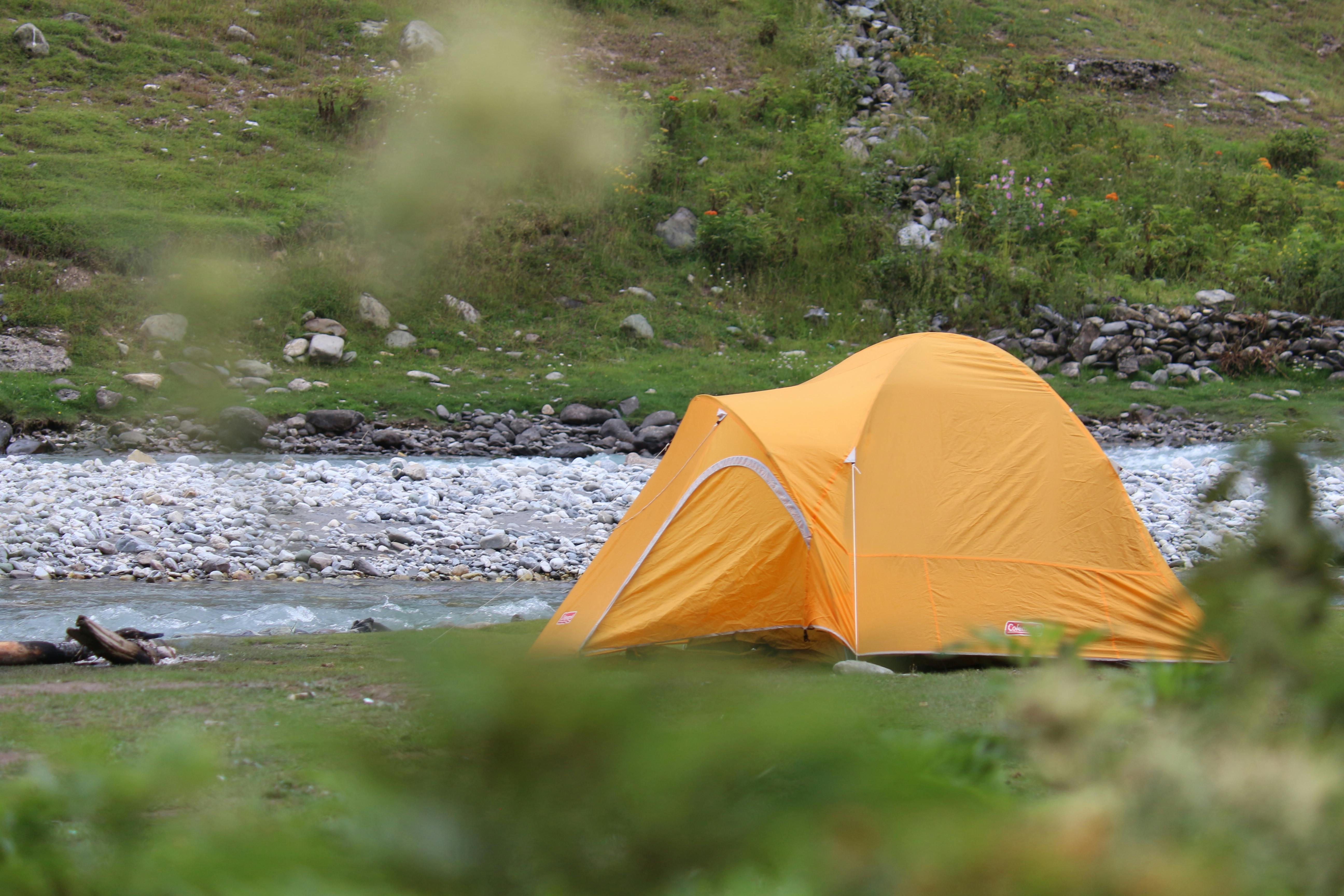
By the fifth stop, I had started to notice a pattern. The best campgrounds were not always the most remote. Sometimes the winners were the ones that made me feel most connected to why people camp in the first place. That was this riverside spot. It was modest, a little worn in, and not trying to be fashionable. Which is exactly why I liked it.
The road in was easy, the sites were spaced just enough apart, and the river handled the soundtrack. No dramatic overlook. No viral-photo energy. Just cottonwoods, cold water, and a rhythm that felt older than the internet. I made coffee early, watched the light move across the bank, and had one of those small camping mornings that somehow feels larger than any big itinerary.
This campground also reminded me that “primitive” and “peaceful” are not synonyms. Official camping guidance across the Forest Service and National Park Service repeatedly emphasizes basics like proper site selection, waste disposal, local fire rules, and respect for nearby occupied areas. Those are not bureaucratic details. They shape the entire experience. A place can be simple without being chaotic, and that difference matters a lot when you are trying to rest.
I saw that here in the smallest ways. People kept noise low. Camps were tidy. Nobody treated the landscape like a free-for-all. Leave No Trace is easy to treat like a slogan, but on a trip like this, you can feel the difference between a place where campers respect the rules and one where they do not. Cleaner sites, less damage, fewer conflicts, better mornings.
If I am being honest, this was the campground I would revisit first. Not because it was the wildest, but because it felt sustainable. I could bring a friend who had never camped before and know they would have a good time. I could return in a different season and trust it would still feel grounded. It did not scream “off the beaten path,” but it quietly delivered something better: ease without the crowds.
6. The One That Proved Marketing and Reality Are Not the Same Thing

The final campground was the only true disappointment. Not a disaster, not unsafe, not ugly. Just oversold. The listing painted it as a hidden retreat, the kind of place where you hear owls and maybe your own thoughts. In reality, it sat closer to a road than expected, the sites were tighter than the photos suggested, and the whole place felt like it had been discovered by everyone at once.
This is where campground language gets slippery. “Secluded” can mean screened by trees, not isolated. “Off the beaten path” can mean twenty minutes from a highway instead of two. “Primitive” can mean charmingly simple or weirdly neglected. After six stops, I came away convinced that the phrase is less a category than a spectrum. You have to read carefully, check official land-management details, and be honest about what you actually want.
That matters more now because the camping boom is real and still reshaping expectations. Millions of Americans are still heading outdoors, public campgrounds remain competitive, and the spread between polished campground marketing and on-the-ground reality is only getting wider. Some places promise stillness and deliver a parking lot with trees. Others barely advertise at all and end up giving you the quiet weekend you were hoping for.
So what did I find after testing six campgrounds that claimed to be off the beaten path? Three were the real deal. Two were very good, just not as hidden as advertised. One was mostly branding. The biggest surprise was that remoteness alone did not decide the winners. What mattered was a combination of access, care, honesty, and whether the place let me actually settle into the landscape instead of just passing through it.
That is probably the truth at the heart of all this. We are not only chasing hidden places. We are chasing relief. A little less noise, a little less crowding, a little more night sky. The best campgrounds on this trip gave me exactly that. Not perfection. Just enough distance from ordinary life to hear myself think again.