For U.S. nature trips, a compact camera has to do more than fit in a pocket. It should focus fast for wildlife, handle bright skies and deep shadows in national parks, and keep noise low at sunrise. In 2026, the strongest small travel models pair larger sensors, sharp lenses, and reliable stabilization so hikers can pack light, shoot from a windy overlook, and still bring home crisp files that stand up to editing, printing, and sharing after the trip.
1. Sony RX100 VII
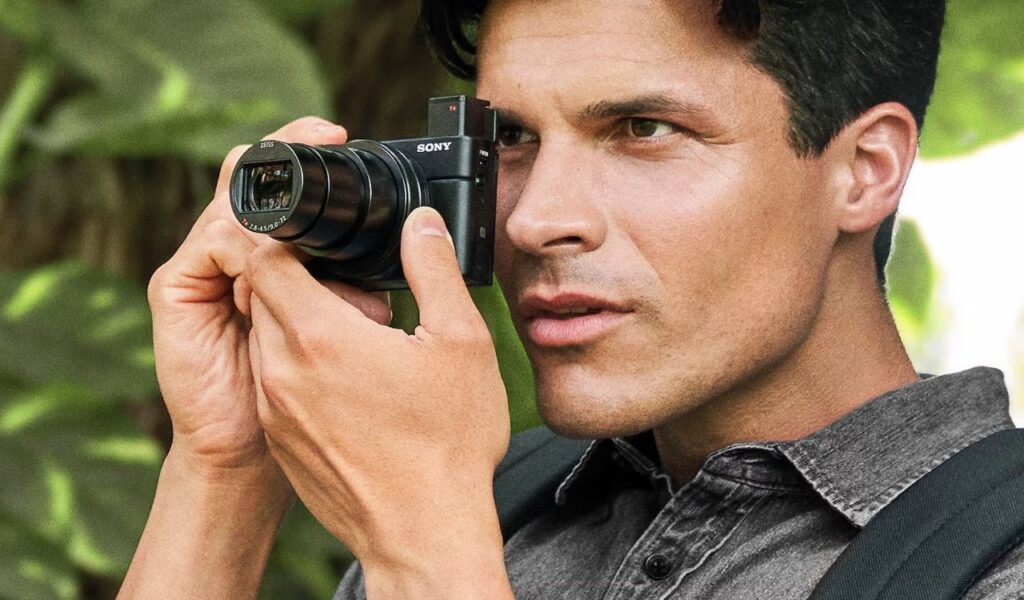
Sony’s RX100 VII is a top pocket zoom for nature travel because it covers both wide scenes and distant subjects. The 24–200mm equivalent lens can frame a Grand Canyon vista, then pull in a hawk without changing cameras. Its stacked 1-inch sensor reads quickly, which cuts rolling-shutter distortion when panning. Up to 20 fps bursts and real-time tracking autofocus help with birds in flight. Optical stabilization steadies handheld shots on uneven trails, and the flip-up screen makes low-angle wildflower shots easier. Shoot RAW to recover highlight detail, and carry a small rain cover since the body is not fully sealed.
2. Fujifilm X100VI
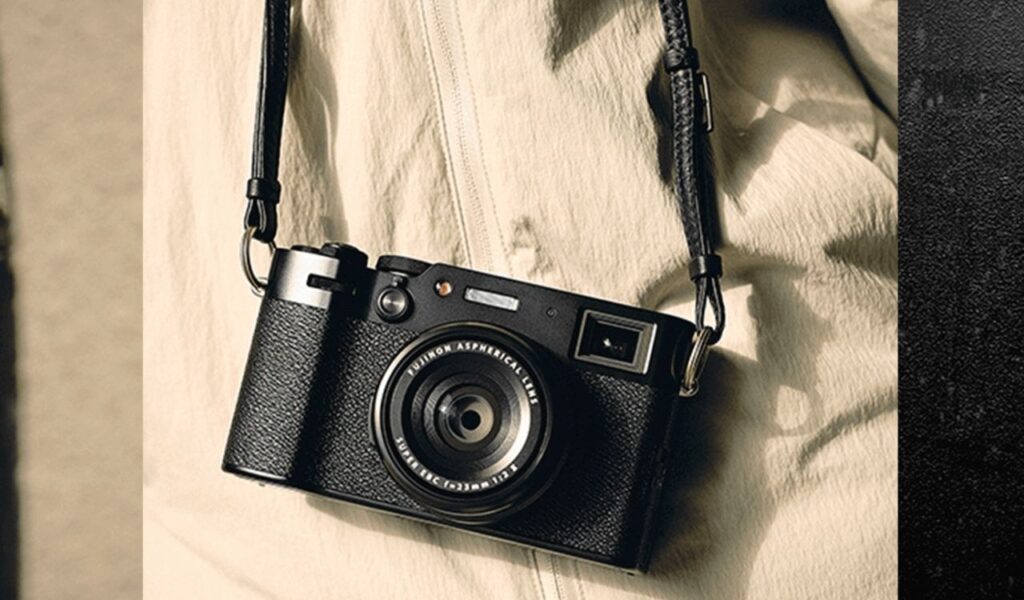
Fujifilm’s X100VI is a compact, fixed-lens camera for travelers who prioritize landscape detail and natural color. Its 40 MP APS-C sensor records fine texture in sandstone, snow, and forest canopy, while in-body stabilization helps in low light at sunrise. The 23mm lens (35mm equivalent) suits wide scenes in Zion or Acadia and works well for environmental portraits at trailheads. Autofocus is faster than older X100 models, and the built-in ND filter helps keep shutter speeds usable in bright desert sun. There is no zoom, but high-resolution crops cleanly when you need tighter framing. Add the filter adapter for extra weather protection.
3. Ricoh GR IIIx
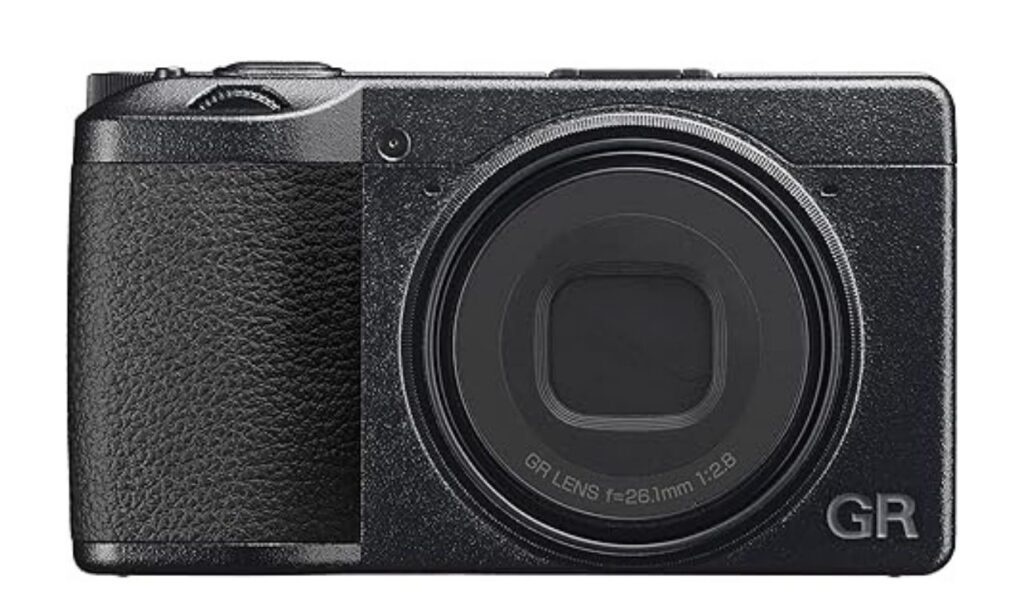
Ricoh’s GR IIIx is one of the smallest ways to get APS-C image quality on a hike. Its 40mm equivalent prime lens that favors tight compositions like creek reflections, canyon walls, and isolated trees on a ridge. The camera powers on quickly, so it is ready when wildlife appears or the light changes fast. In-body stabilization helps at dusk, and the sharp lens plus RAW files make shadow recovery cleaner than most pocket cameras. Snap Focus and a simple control layout speed up shooting with gloves. Bring a spare battery for long park days, and keep it in a pouch to reduce dust around the retracting lens.
4. Canon PowerShot V10
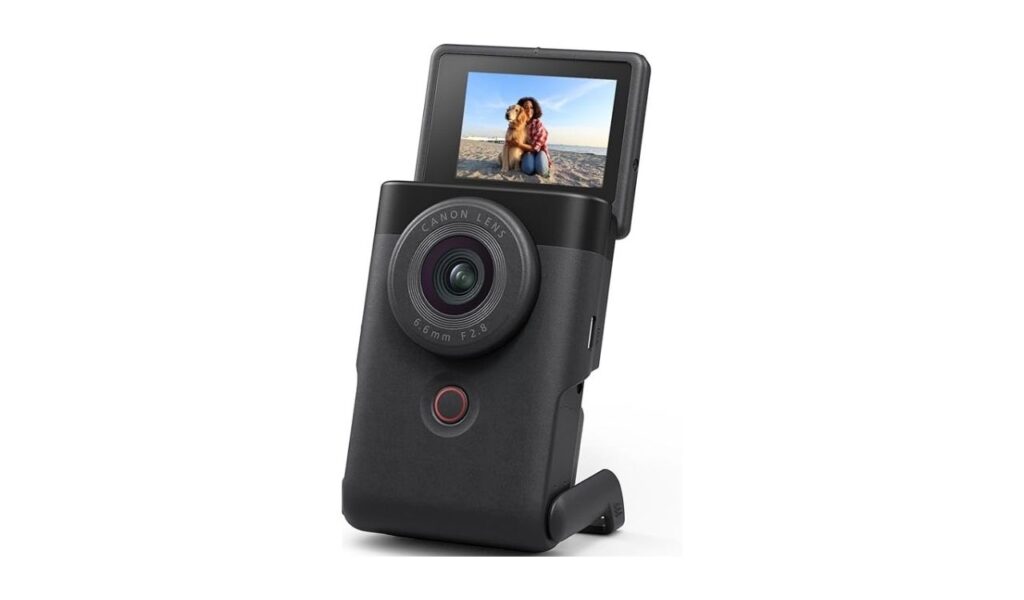
Canon’s PowerShot V10 is a modern, ultra-compact option for travelers who want quick, dependable results without a learning curve. It uses a 1-inch sensor and a wide lens that works well for overlooks, waterfalls, and campsite scenes in state parks. A built-in stand helps keep clips steady for trail recaps or time-lapse clouds, and the onboard mics handle voices better than most phones in light wind. It shoots clean 4K for social posts and trip logs, with digital stabilization available when walking. It is not a wildlife tool, but it is a strong choice for landscapes, family hikes, and simple outdoor videos.
5. OM System Tough TG-7
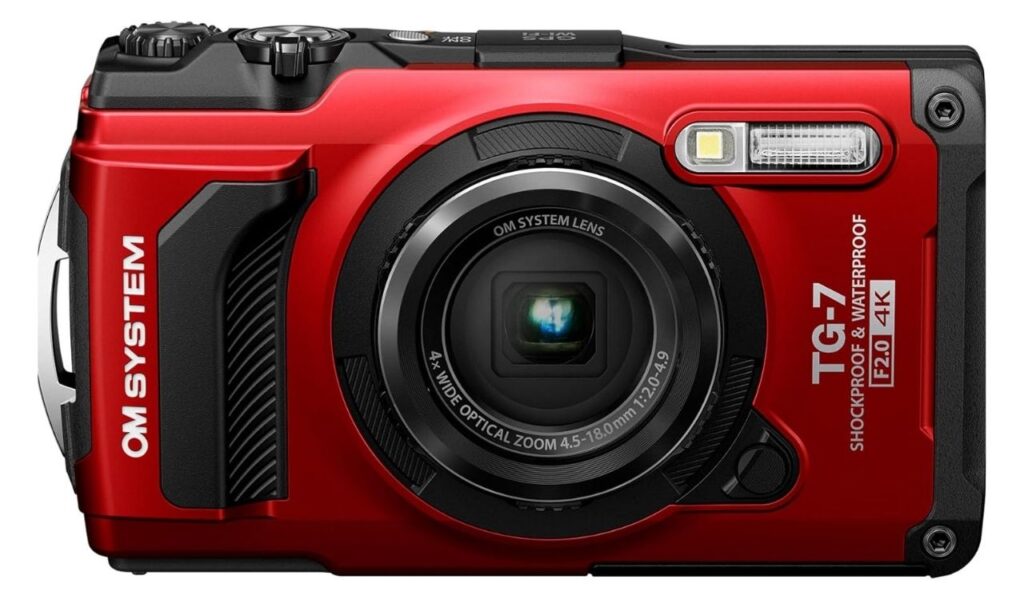
The OM System Tough TG-7 is built for trips where gear gets soaked, dropped, or covered in sand. It is rated waterproof to 15 m, shock resistant to 2.1 m, crushproof to 100 kgf, and freezeproof to -10°C, so it suits rafting days, tide pools, and winter hikes. Its 4x zoom and bright f/2.0 lens handle quick snapshots, and macro modes focus extremely close for insects, wildflowers, and tide-pool detail. Anti-fog dual-pane glass helps after cold-to-warm transitions. Built-in GPS field sensors can tag locations for trail logs, and the rugged body keeps you shooting when the weather turns. Distant wildlife will still look small.