The Western United States contains a vast collection of protected wilderness areas that draw millions of visitors from across the globe every year. According to the National Park Service data for 2026, travel trends are shifting toward more flexible entry, though popular spots still require strategic planning. This article highlights seven of the most iconic national parks in the region, chosen for their unique geological features and diverse ecosystems. We analyzed recent visitor guidelines, including the suspension of some reservation systems, to help you navigate these bucket-list destinations effectively. Whether you are looking for high-altitude glacial valleys or deep desert canyons, these parks offer a factual look at America’s most stunning natural heritage.
Yellowstone National Park (Wyoming, Montana, Idaho)
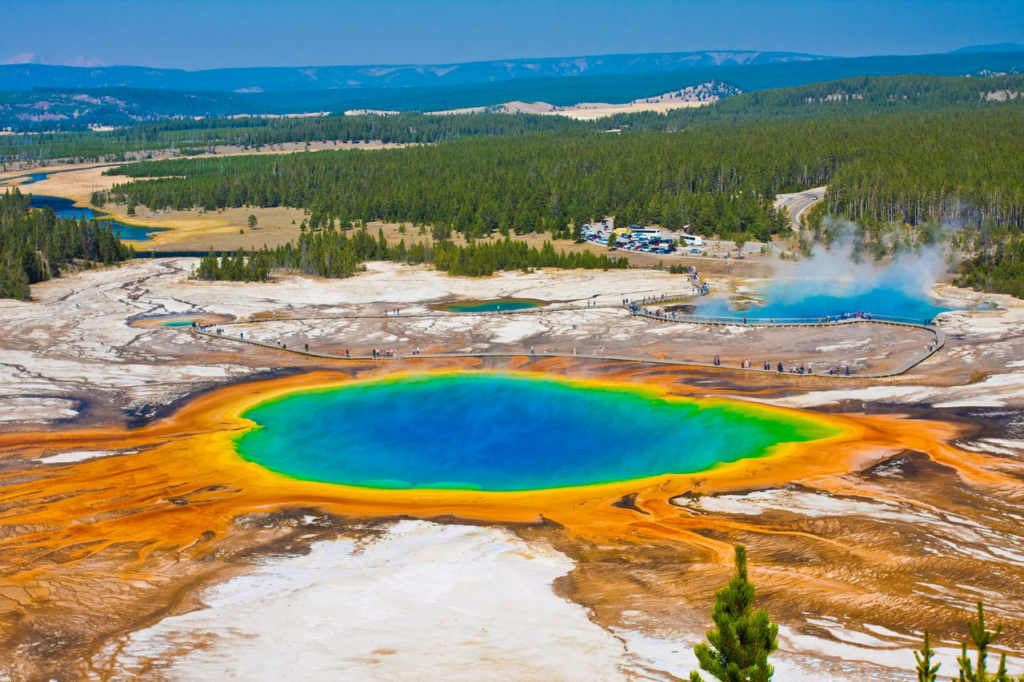
Yellowstone holds the distinction of being the world’s first national park and remains a global leader in geothermal activity and wildlife conservation. The park sits atop a massive supervolcano, which powers over 10,000 thermal features including the famous Old Faithful geyser and the vibrant Grand Prismatic Spring. According to recent 2026 geological monitoring reports, the park continues to see minor hydrothermal activity, reminding visitors of the dynamic nature of the landscape. It is also one of the few places in the lower 48 states where you can reliably see grizzly bears, wolves, and massive herds of free-roaming bison. Because the park is so expansive, experts recommend entering through the North Entrance in Gardiner if you want to see the most wildlife in a single day.
Zion National Park (Utah)
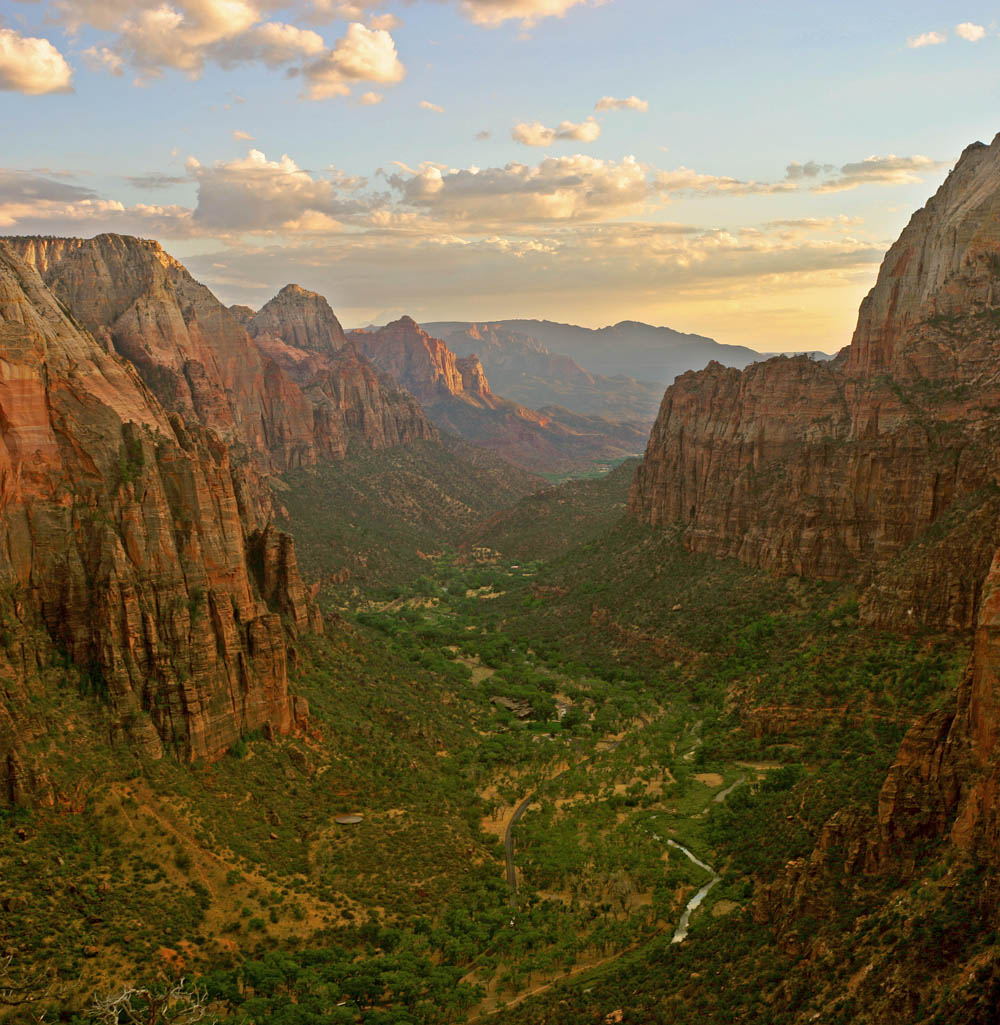
Zion is famous for its towering cream, pink, and red sandstone cliffs that soar over the Virgin River, creating some of the most dramatic scenery in the Southwest. In 2026, the park continues to use a mandatory shuttle system for the main Zion Canyon Scenic Drive to protect the fragile environment from traffic congestion. One of the most sought-after experiences is the Angels Landing hike, which now requires a timed permit secured through a lottery system to ensure hiker safety on its narrow ridges. According to recent park updates, visitors are also increasingly exploring the Kolob Canyons section of the park to find solitude away from the busier main canyon. It is a hiker’s paradise that offers everything from easy riverside strolls to strenuous climbs with thousand-foot drops.
Yosemite National Park (California)
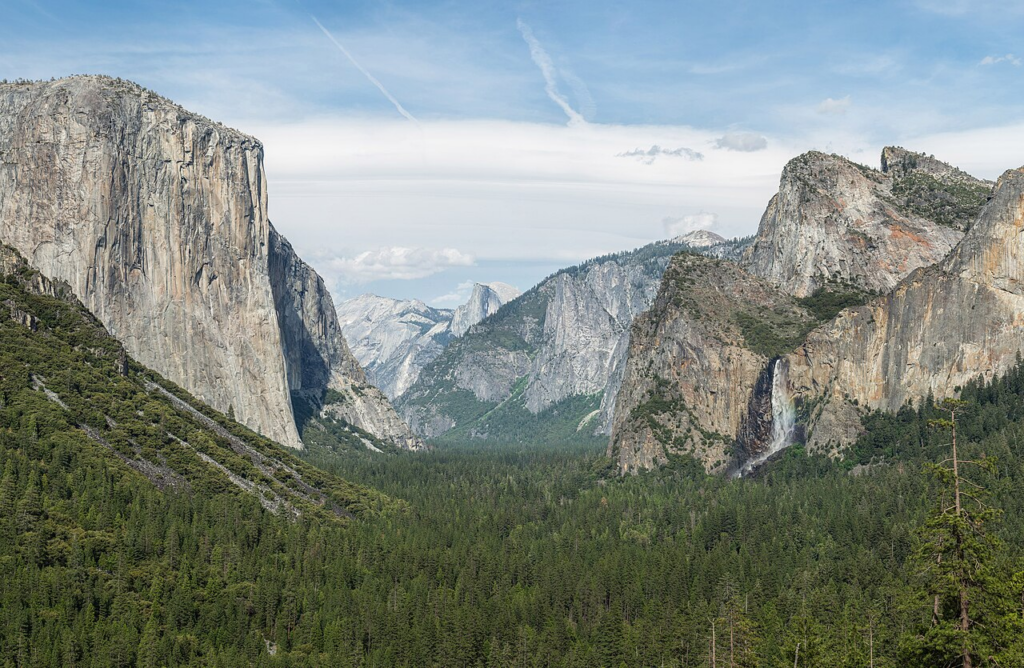
Yosemite is a shrine to human foresight and the strength of granite, featuring landmarks like El Capitan and Half Dome that define the Sierra Nevada landscape. According to the latest 2026 visitor guidelines, Yosemite has removed its peak-season vehicle reservation requirement, allowing for more spontaneous trips than in previous years. The park is home to Yosemite Falls, one of the tallest waterfalls in North America, which is most spectacular during the spring snowmelt. Beyond the valley floor, the Mariposa Grove protects over 500 mature giant sequoias, some of which are estimated to be over 2,000 years old. Despite the easier access this year, the National Park Service still advises arriving before 9:00 a.m. to secure parking in the highly popular Yosemite Valley.
Grand Canyon National Park (Arizona)
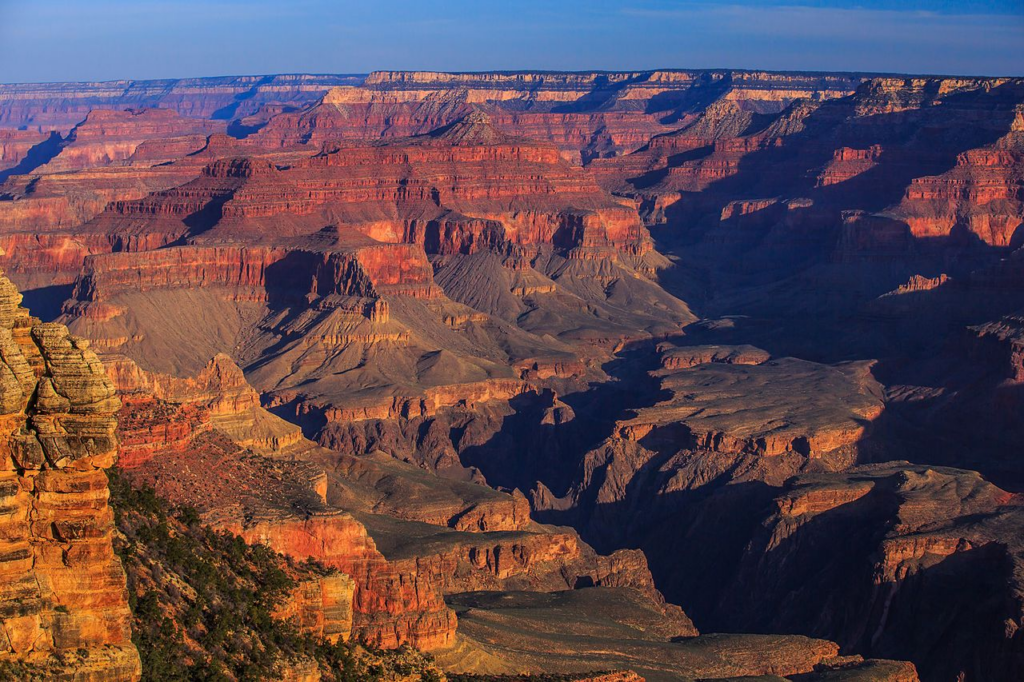
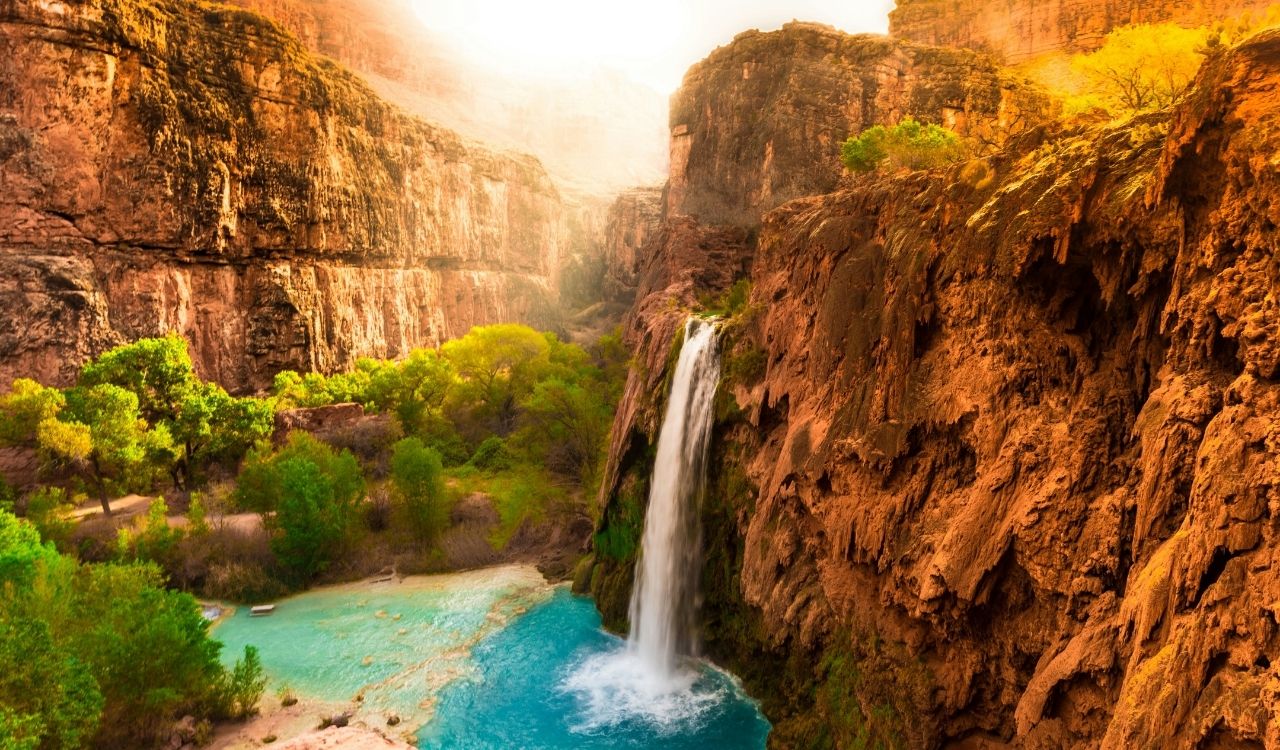
The Grand Canyon is a massive fissure in the Colorado Plateau that reveals nearly two billion years of Earth’s geological history through its colorful rock layers. According to recent 2026 travel alerts, some international visitors may face updated fee structures at the South Rim, so checking official NPS documents before arrival is essential. The South Rim is open year-round and offers the most accessible viewpoints, while the North Rim provides a more secluded and forested experience from May through October. For those looking for more than just a view, hiking down into the canyon via the Bright Angel Trail offers a profound perspective on the scale of the erosion. It remains one of the Seven Natural Wonders of the World and a primary destination for over five million people annually.
Olympic National Park (Washington)
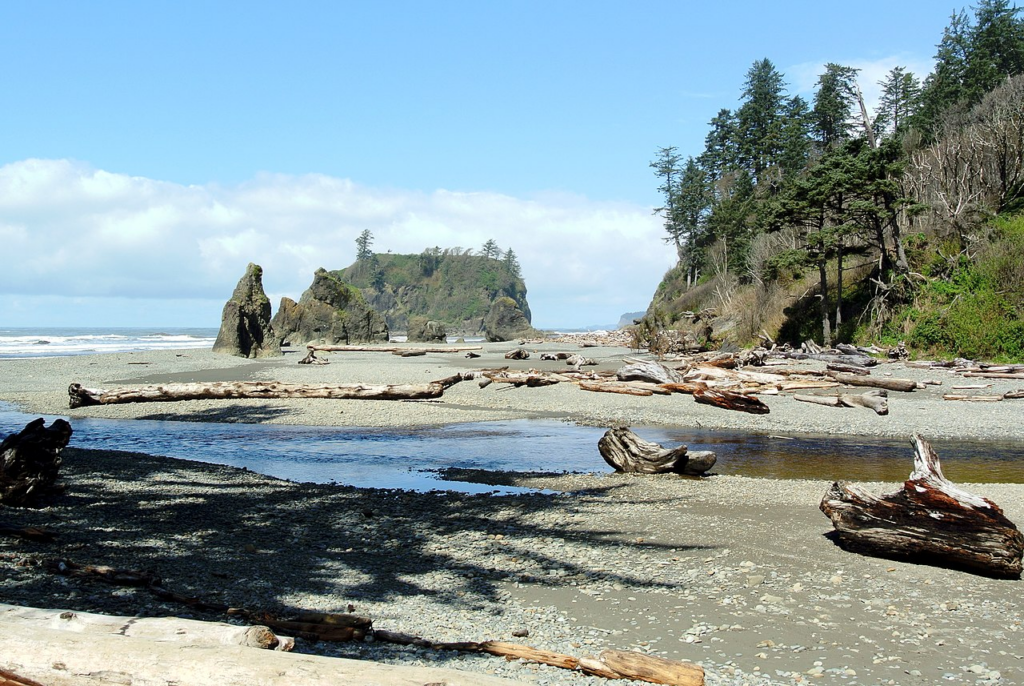
Olympic National Park is unique for its incredible diversity, encompassing nearly one million acres of glacier-capped mountains, old-growth temperate rainforests, and rugged Pacific coastline. According to environmental studies, the Hoh Rainforest receives over 12 feet of rain per year, making it one of the lushest and greenest places in the entire country. Visitors can explore the tide pools at Ruby Beach in the morning and be standing among the alpine wildflowers of Hurricane Ridge by the afternoon. In 2026, the park has introduced new accessible paved trails to ensure that people of all mobility levels can experience the ancient forest ecosystems. This park is a must-visit for those who want to experience three distinct environments within a single protected boundary.
Glacier National Park (Montana)
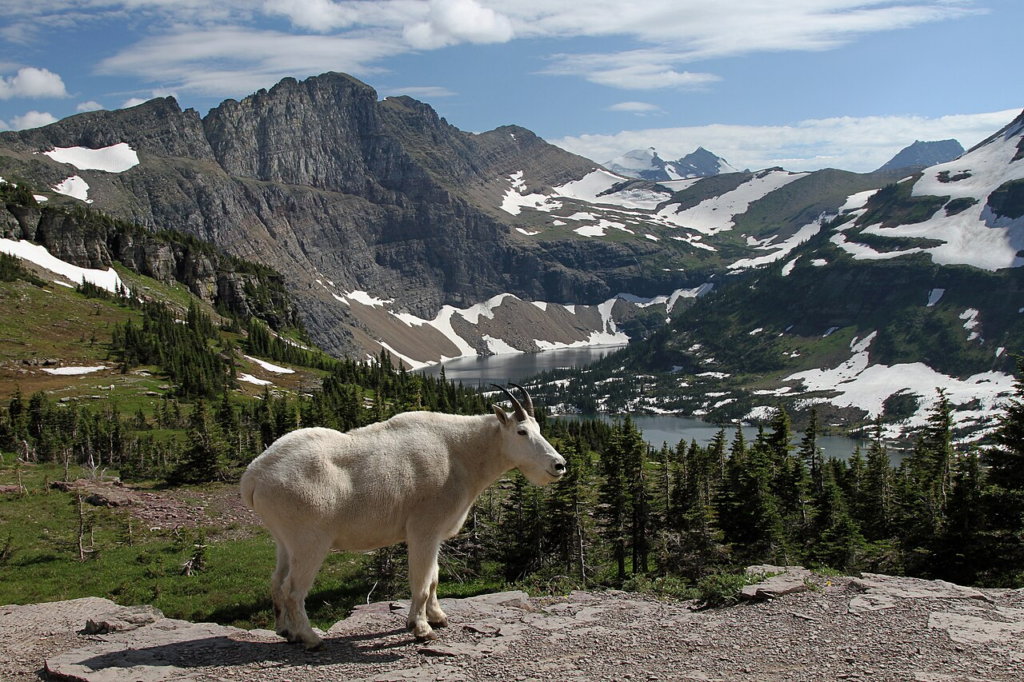
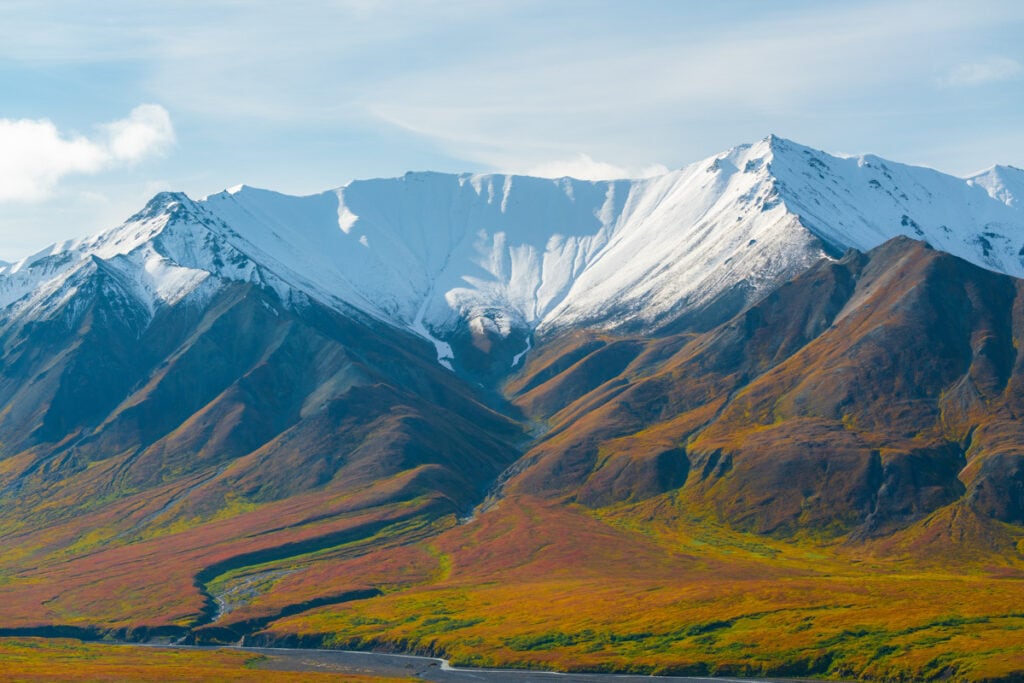
Often referred to as the “Crown of the Continent,” Glacier National Park is a rugged wilderness characterized by sharp peaks and turquoise lakes carved by prehistoric ice. For the 2026 season, the park has discontinued its vehicle reservation system for the iconic Going-to-the-Sun Road, providing much more flexibility for summer travelers. However, the park has introduced a reservation-only express shuttle service to Logan Pass to help manage the heavy traffic that occurs during the short summer window. According to climate data, the glaciers are receding rapidly, making 2026 a pivotal year for visitors who want to see these ancient ice masses before they disappear. The park remains one of the premier locations in the U.S. for backcountry hiking and high-altitude photography.
Grand Teton National Park (Wyoming)
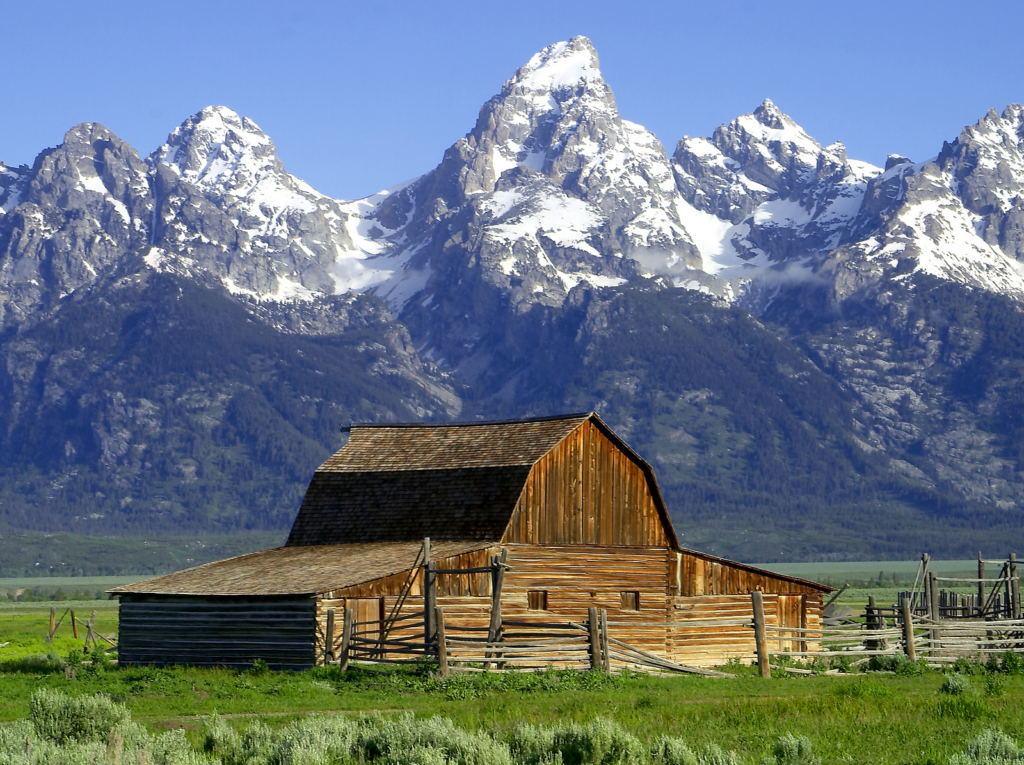
Located just south of Yellowstone, Grand Teton is famous for its jagged, tooth-like mountain range that rises abruptly from the valley floor without any foothills. According to 2026 park infrastructure reports, several construction projects are underway at the southern end of the park, so travelers should plan for minor delays near Moose. The park is centered around Jenny Lake and Jackson Lake, where visitors can enjoy kayaking and boat tours that provide a unique angle of the towering peaks. It is a fantastic destination for spotting moose and elk, particularly along the Moose-Wilson Road during the early morning hours. Because it shares a border with Yellowstone, many travelers choose to combine these two parks into a single, comprehensive “High Rockies” road trip adventure.