
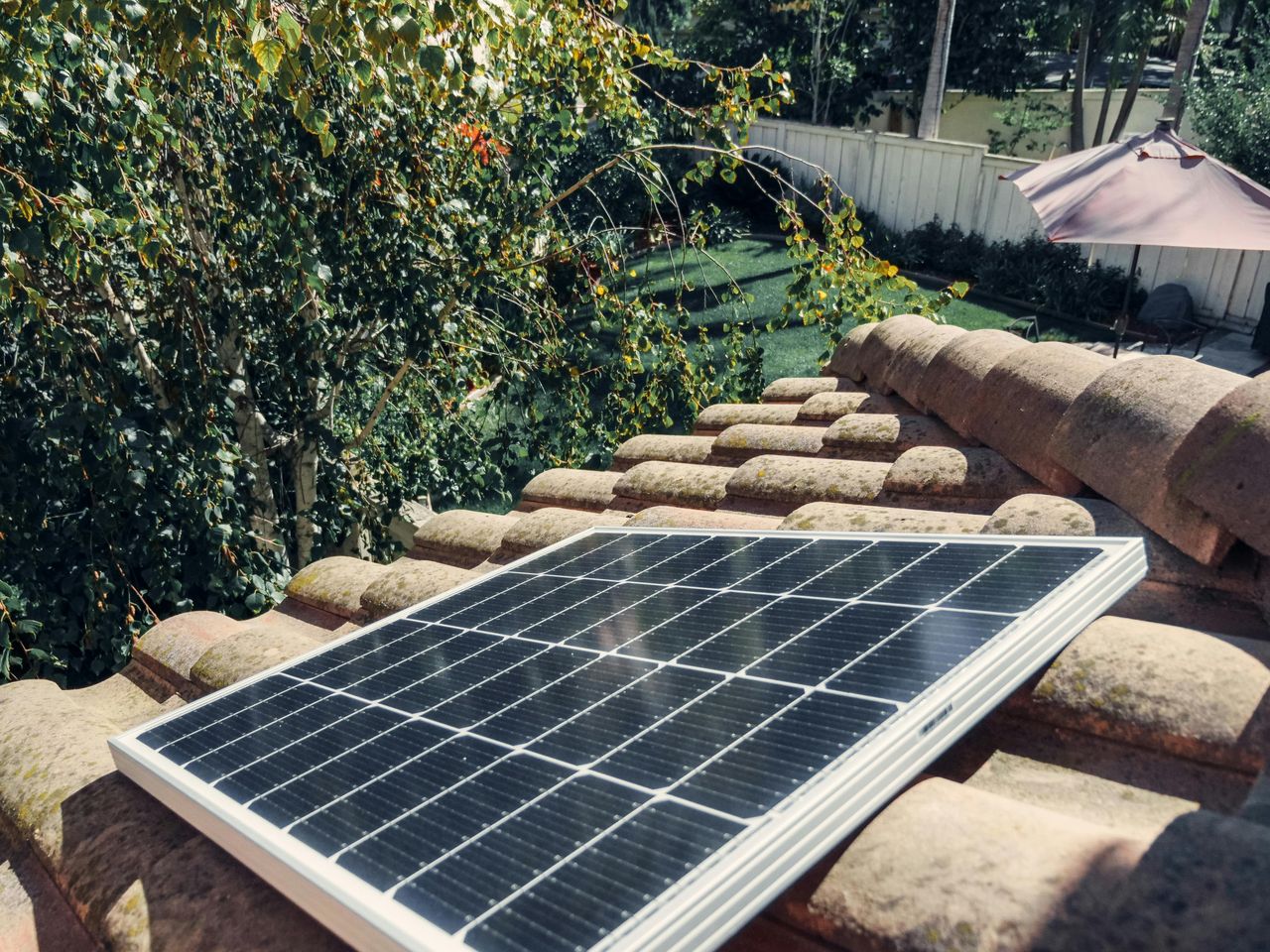
Three failed builds taught one RV household the same lesson many off-grid travelers learn the hard way: solar systems do not fail only because they are too small. They often fail because the design assumptions are wrong.
What finally worked was not a flashy rooftop overhaul, but a properly sized package built around a real power audit, lithium storage, a higher-capacity inverter, MPPT charging and heavier-gauge wiring. In an RV market where more owners are trying to camp without hookups, the result matters because it shows how reliability often comes from system balance rather than maximum panel count.
Three unsuccessful attempts exposed the same core problem
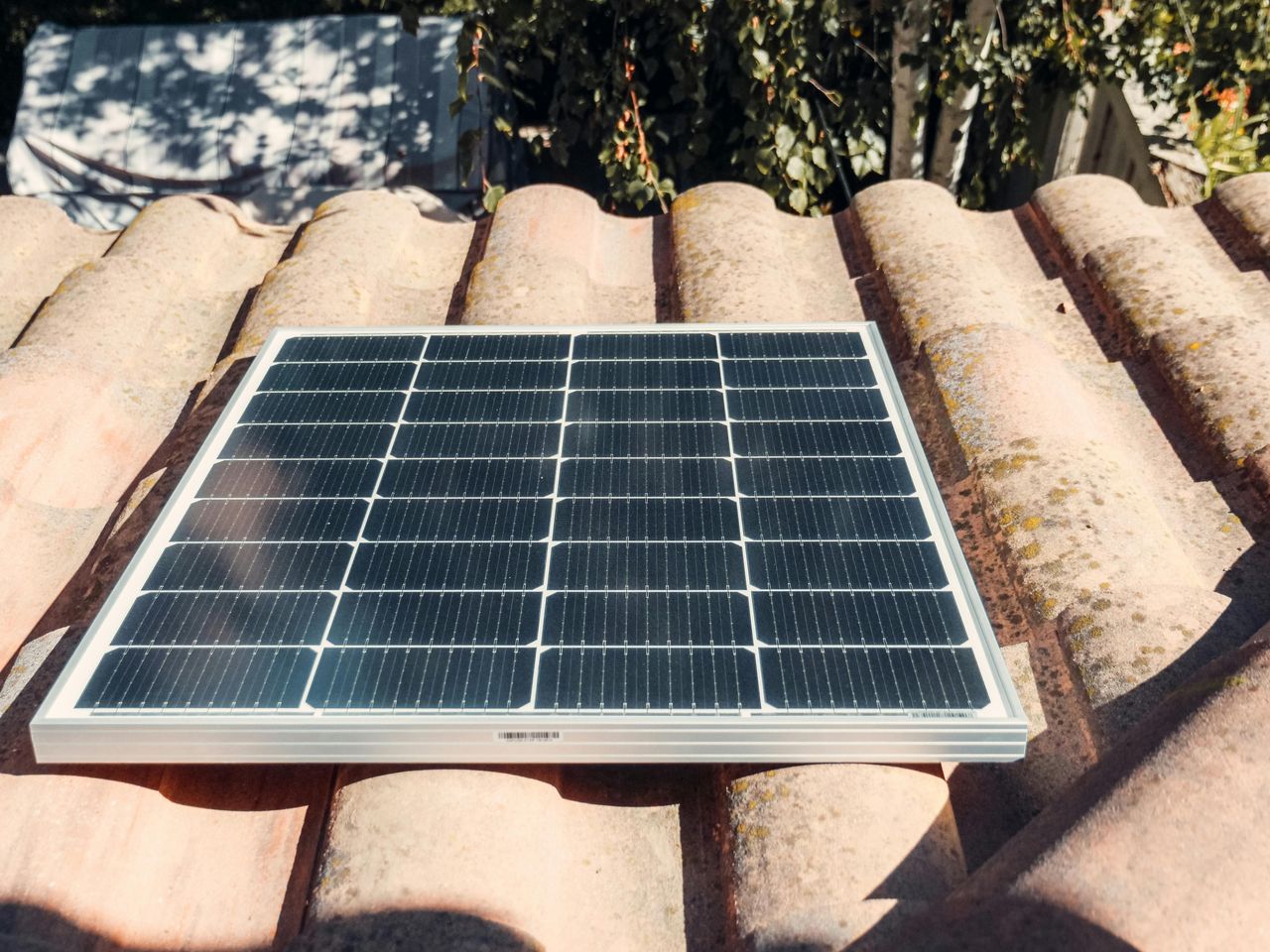
The first setup looked adequate on paper. It used a modest rooftop array, a basic charge controller and a battery bank intended to cover lights, phones, a water pump and occasional appliance use. In practice, however, the system repeatedly fell short because daily consumption was underestimated and charging performance varied sharply with weather, roof angle and shading from vents and air-conditioning units.
The second attempt focused on adding more solar wattage, a common move among RV owners who assume the panel count is the main bottleneck. That upgrade improved midday charging in bright conditions, but it still did not solve the household’s biggest problems: overnight battery depletion, voltage sag under load and limited ability to run 120V appliances through the inverter. According to Renogy’s RV and off-grid buying guidance, solar sizing begins with daily watt-hour demand and available peak sun hours, not simply with how many panels can fit on the roof.
The third try added more battery capacity but left other constraints largely untouched. That produced a more expensive system without consistently improving performance, because the charging side and wiring still were not matched to the battery bank. Industry guidance from Victron Energy and long-running RV technical publications has repeatedly warned that mismatched components, poor charging settings and excessive voltage drop can prevent batteries from charging properly even when the display suggests the system is active.
By the time the owners began planning a fourth version, the issue was no longer framed as a product problem. It had become a design problem. Instead of asking what single component to replace, they began by documenting actual daily loads, identifying startup surges from appliances and separating “must-have” circuits from occasional convenience loads.
The breakthrough came from an energy audit, not a new gadget

That process started with measurement. Rather than estimating from memory, the household logged what they used in a normal day: LED lighting, fans, laptops, a refrigerator load profile, device charging, water pump cycling and brief inverter-powered kitchen use. Once translated into watt-hours, the numbers showed that earlier systems had been built around wishful thinking rather than observed demand.
That finding aligns with current off-grid sizing advice. Renogy’s camping and RV solar guide states that total solar wattage needed can be estimated by dividing daily watt-hours by peak sun hours, a simple formula that becomes useful only if the energy-use total is realistic. In other words, the correct place to start is not the roof but the load list. For RVers, that distinction is especially important because travel days, weather changes and seasonal temperature swings can alter energy needs quickly.
The owners also found that a few loads had outsized effects. Inverter-based appliances, even when used briefly, imposed much higher demands than lighting and USB charging. Battle Born Batteries, in guidance for RVers using lithium systems, notes that a single 12V 100Ah lithium battery provides roughly 1 kWh of usable energy, and that running an RV air conditioner on battery power generally requires a large battery bank and an inverter of about 2,000 watts or more. That helped explain why earlier systems felt depleted so quickly: the usable energy reserve was far smaller than expected once inverter losses and high-demand devices were included.
Just as important, the household stopped designing for “everything at once.” The successful system was built around realistic priorities: refrigeration, communications, lighting, fans and short bursts of kitchen and entertainment use. Air conditioning remained possible only under carefully managed conditions, not as an all-night assumption. That reset turned the project from an aspiration-heavy build into one that could deliver repeatable performance.
With that audit complete, the owners could choose components that matched one another. The solar setup that finally worked was less about chasing a headline wattage number and more about pairing charging capacity, battery storage and inverter output to the way the RV was actually used.
A balanced lithium system replaced the patchwork approach
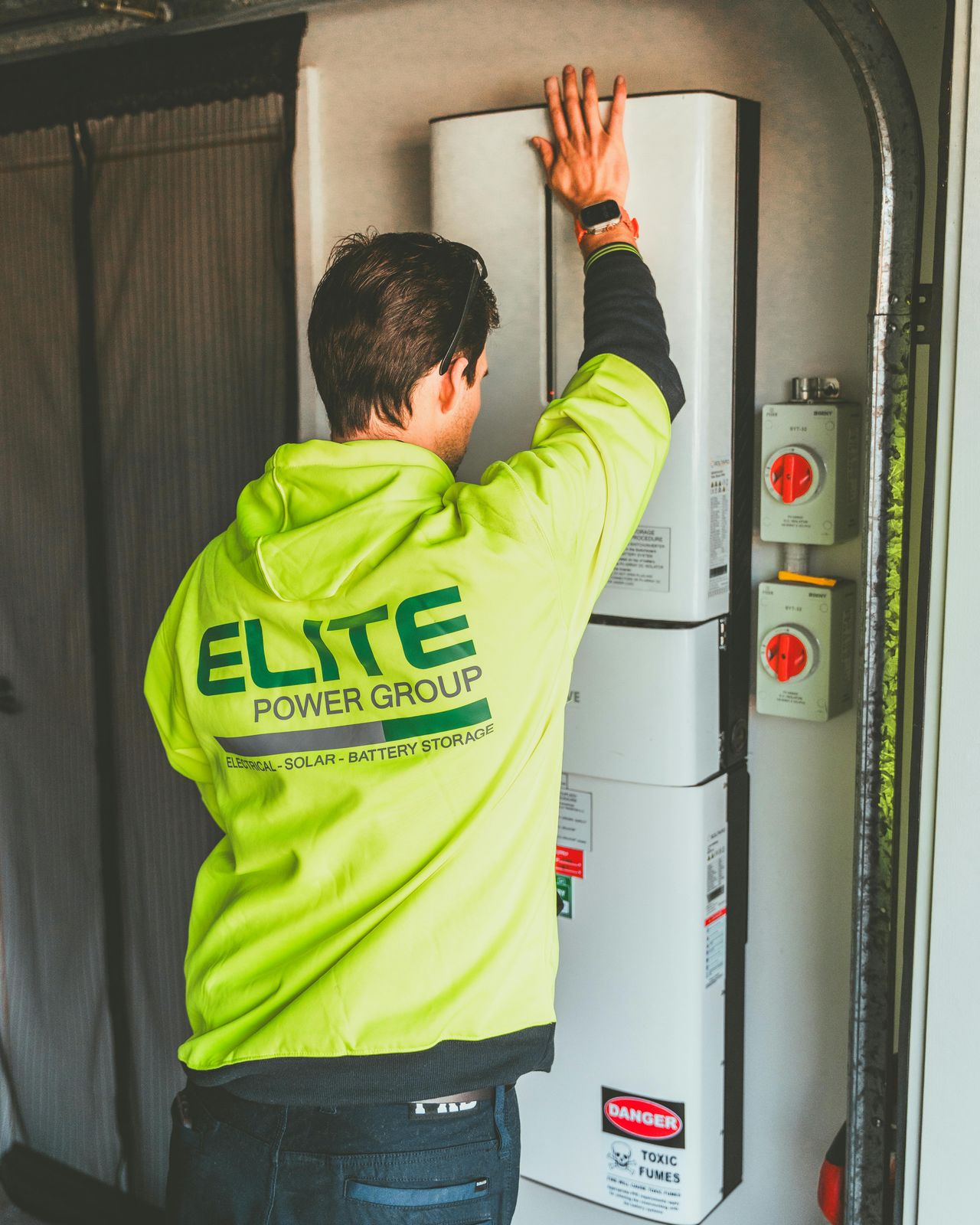
The finished configuration centered on lithium iron phosphate storage, a larger pure-sine inverter and an MPPT solar charge controller rather than a lower-end PWM unit. That combination reflected a shift in philosophy. Previous versions had mixed incremental upgrades with legacy components, creating bottlenecks that limited the value of each new purchase. The final build was designed as one electrical ecosystem.
Lithium batteries were a key part of the change. Compared with lead-acid systems, they offer more usable capacity at a given nominal rating and maintain voltage more consistently under load. Battle Born’s current RV guidance estimates that a 12V 100Ah lithium battery yields about 1,000 watt-hours of usable power, a figure that helped the household translate abstract amp-hour ratings into real appliance runtime. For users relying on inverters, that steadier voltage profile can make the difference between an appliance running normally and shutting down when the battery bank sags.
Charging control also improved substantially. Victron Energy’s documentation for MPPT chargers emphasizes that the controller should be correctly sized to the PV array and battery bank, and that settings must match battery chemistry. Its manuals also note that, in networked systems, battery-voltage measurement and charging parameters can be coordinated more precisely, reducing the mismatch that often occurs when chargers rely on less accurate assumptions. In the successful RV system, that translated into faster harvest during variable sun and fewer instances where charging tapered too early or behaved unpredictably.
Wiring upgrades were equally important, though less visible. RV technical sources have long cautioned that excessive voltage drop can undermine charging and inverter performance. RV.com’s service guide notes that more than a 5 percent voltage drop can leave too little differential for the controller to push current effectively from panels to batteries. In practice, that means undersized cables can make a system appear bigger than it functions. Heavier conductors, shorter runs where possible and properly protected connections turned out to be as important as the batteries themselves.
The system also adopted clearer circuit separation and protection. Fuse placement, breaker access and battery-first connection discipline were treated as core design elements rather than afterthoughts. The result was a setup that did not merely work on sunny afternoons but performed predictably through full day-night cycles.
Safety and standards have become a bigger part of the RV solar conversation
That experience reflects a wider shift in the RV industry, where electrical complexity has grown quickly as owners add inverters, solar charging, lithium batteries and DC appliances. The RV Industry Association says recreational vehicles are built to nationally recognized standards, including NFPA 1192, which establishes fire and life-safety criteria for RVs. The association’s standards pages now list the 2026 edition of NFPA 1192 and the 2025 ANSI/RVIA DC Voltage Systems standard, underscoring how active the code and compliance environment has become.
The standards matter because modern RV solar installations are no longer simple add-ons. They can involve roof penetrations, charge algorithms, low-voltage DC integration, inverter-fed AC circuits and grounding considerations that affect user safety. RVIA has separately highlighted electrical issues such as “hot skin,” an опасный condition caused by improper grounding or electrical faults, and said newer code cycles are evolving to address those hazards more directly. For consumers, that means the quality of an installation should be judged not just by battery size or app connectivity, but by whether the system is protected, grounded and configured properly.
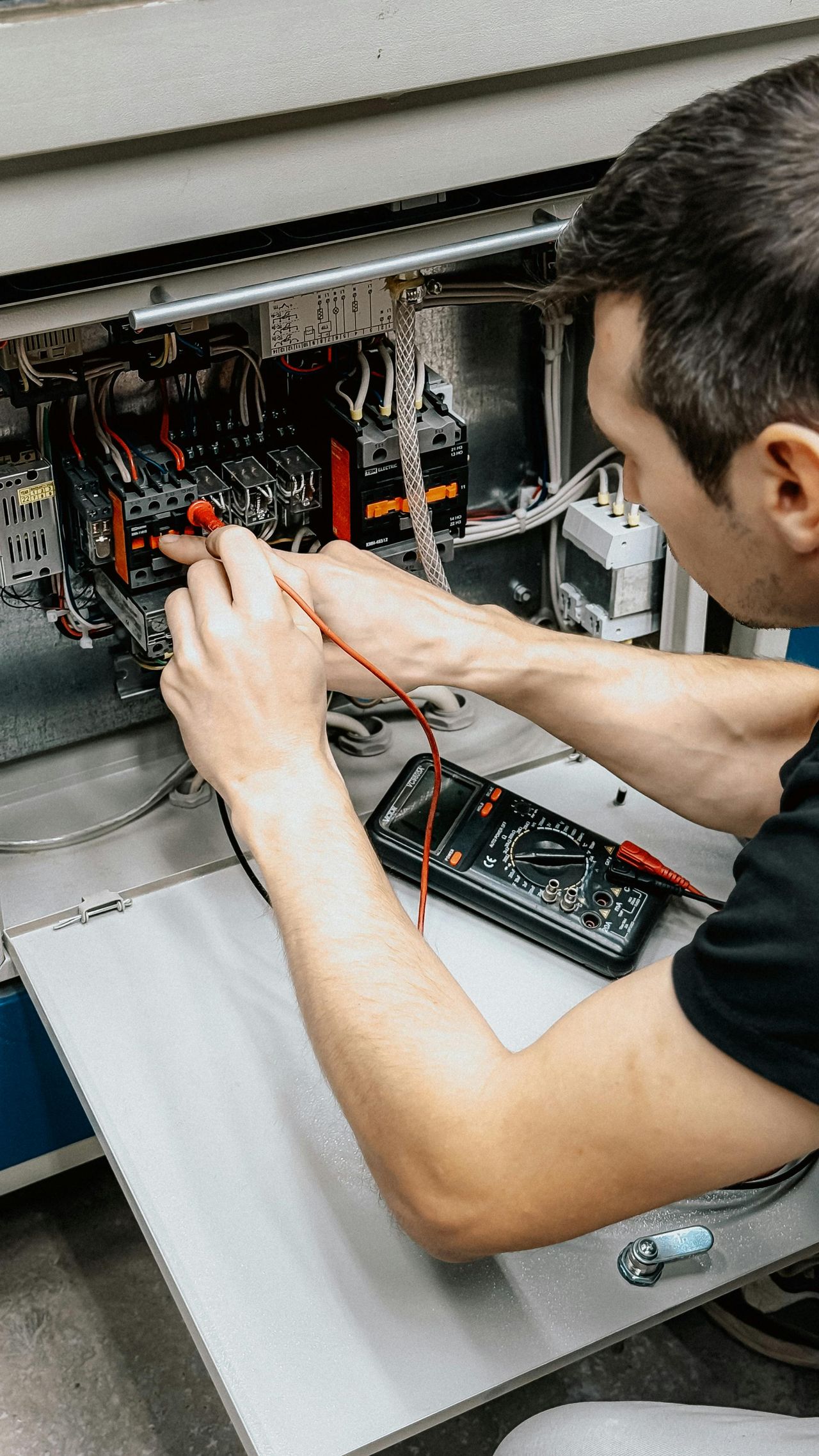
Training has expanded as well. RVIA and the RV Technical Institute have promoted advanced electrical workshops covering batteries, inverters, transfer switches and solar power, an indication that the service side of the industry recognizes a growing need for specialized electrical competence. That has practical consequences for owners deciding whether to install components themselves or hire a technician. A poorly crimped lug or incorrect charging profile can negate the benefits of expensive equipment.
In the case of the successful fourth attempt, the owners said the biggest procedural change was to slow down. Every cable run, fuse size and charging setting was checked against the battery and controller specifications. They treated commissioning as seriously as installation, testing loads one by one instead of assuming that if the system powered up, it was done.
That approach mirrors how professionals increasingly talk about RV electrical systems: as integrated power systems, not accessory bundles. As more travelers seek quiet off-grid capability and less generator dependence, the difference is likely to matter even more.
Why this one worked when the others did not

In the end, the setup succeeded because it solved four separate failures at once: inaccurate load planning, insufficient usable storage, inadequate power conversion and avoidable wiring losses. Earlier attempts addressed those issues one at a time. The working system addressed them together, which is why the improvement felt immediate rather than incremental.
The solar array now functions as an energy source sized to routine demand, not as a symbolic upgrade. The battery bank is large enough to carry overnight essentials with reserve, while the inverter can handle common 120V tasks without constant low-voltage alarms. MPPT charging harvests more effectively in changing conditions, and the cable and protection scheme allows that power to move with fewer losses between roof, controller, batteries and loads. None of those features is novel on its own. The difference is that they were specified to complement one another.
For the broader RV audience, the lesson is straightforward. More equipment does not automatically mean more capability. An owner can spend heavily on panels or batteries and still wind up with unreliable performance if the inverter is undersized, the controller is misconfigured or the wiring introduces preventable losses. The households that report the best results tend to begin with a power budget, build around realistic use patterns and leave room for safety margins.
That matters as solar becomes a mainstream RV feature rather than a niche retrofit. Buyers increasingly expect off-grid convenience, silent overnight power and reduced generator use. But those expectations only hold when system design is grounded in actual consumption and electrical fundamentals.
After three failed attempts, this RV household’s final answer was not magic and not especially glamorous. It was disciplined sizing, compatible components and attention to safety. For an increasing number of travelers trying to live comfortably between hookups, that may be the most useful result of all.