In 2026, travel photography has moved beyond simple snapshots to capturing “unreal” natural phenomena that occur only a few days a year. According to recent 2026 tourism data, “visual-first” travelers are specifically booking trips based on rare lighting events and geological anomalies that look like CGI in raw files. Whether it’s a waterfall that appears to be made of molten lava or a desert that looks like an alien planet, these parks provide a factual playground for your lens. We have curated a list of seven global destinations that are currently trending for their high-impact, surreal aesthetic.
1. Yosemite National Park, USA
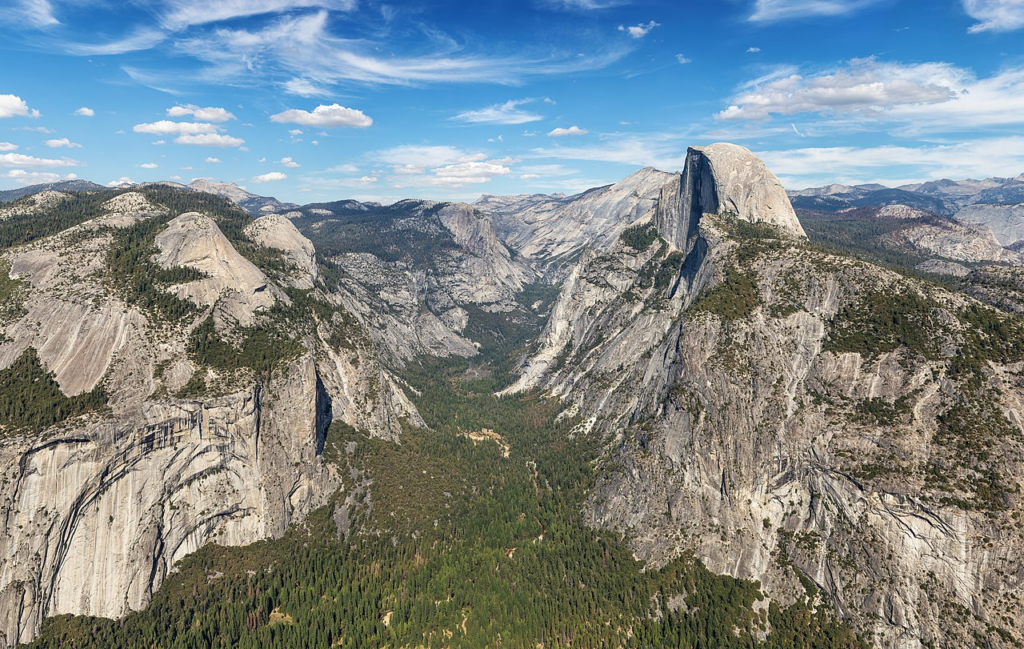
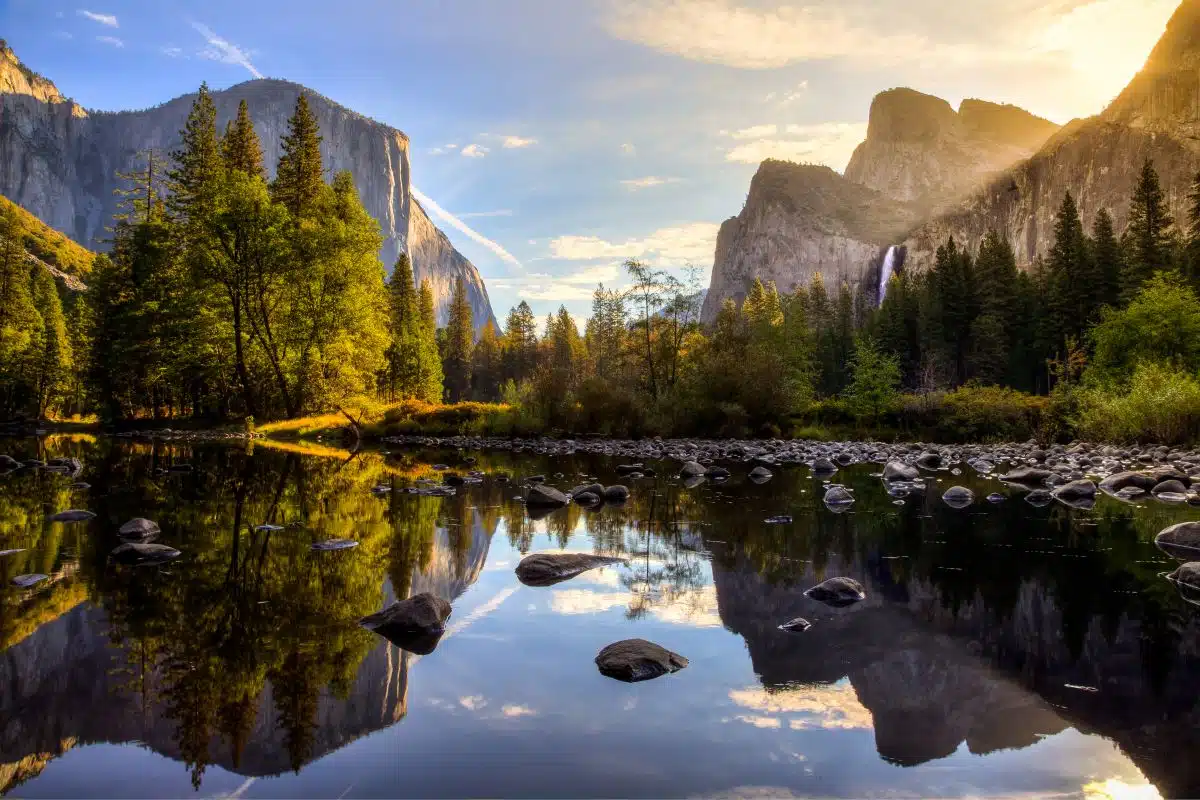
The most iconic “unreal” moment at Yosemite is the Horsetail Fall Firefall, which occurs for just two weeks every February. According to 2026 park reports, when the setting sun hits the waterfall at the perfect angle, the water glows with a brilliant orange and red hue that mimics flowing lava. This natural optical illusion is so famous that the park now implements a strict reservation system to manage the thousands of photographers who gather at El Capitan. Even outside of February, the sheer granite faces and mist-filled valleys provide a scale that remains difficult to capture without a wide-angle lens.
2. Plitvice Lakes National Park, Croatia
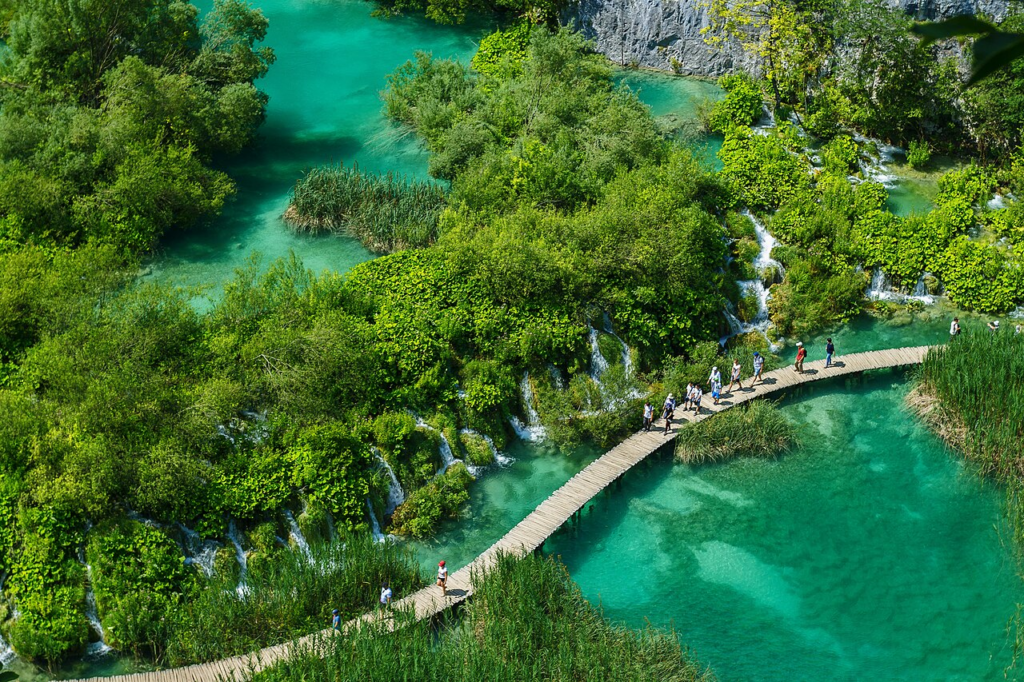
Plitvice Lakes is world-renowned for its 16 terraced lakes that shift between shades of emerald, turquoise, and deep blue depending on the mineral content. According to 2026 conservation data, the park’s travertine barriers create a living system of “crystal” waterfalls that look like a scene from a fantasy novel. Wooden walkways wind directly over the water, allowing photographers to capture the prehistoric-looking fish and mossy depths through the remarkably clear surface. The lack of mud and silt in the water ensures that every photo taken here has a high-definition, “glass-like” quality that requires zero filters.
3. White Sands National Park, USA
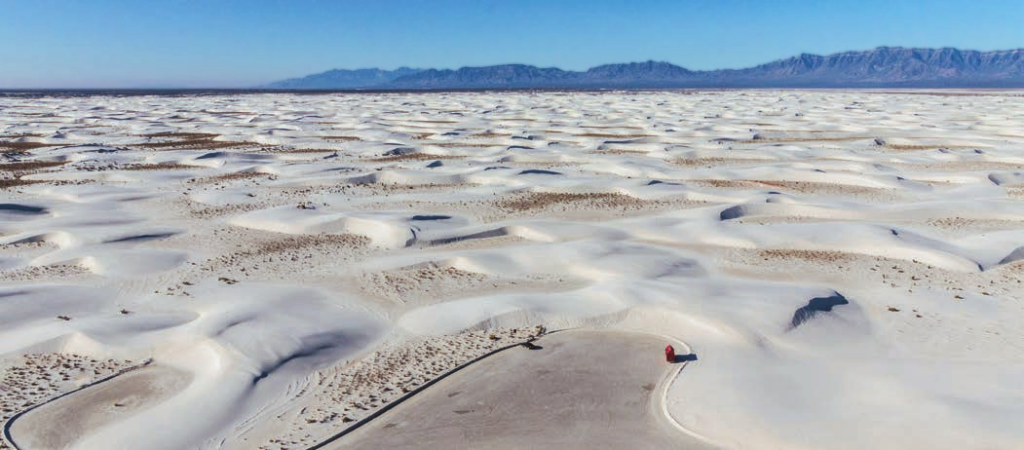
Located in New Mexico, this park features the world’s largest gypsum dunefield, creating a landscape of blindingly white sand that looks like a permanent snowscape. According to 2026 geological surveys, the “sand” is actually a rare crystal that stays cool to the touch even in the blistering desert heat. Photographers are obsessed with the “blue hour” at White Sands, where the white dunes reflect the pink and purple hues of the sunset with incredible intensity. The absence of vegetation and the undulating curves of the dunes create a minimalist, abstract aesthetic that is a favorite for high-fashion and architectural photography.
4. Fiordland National Park, New Zealand
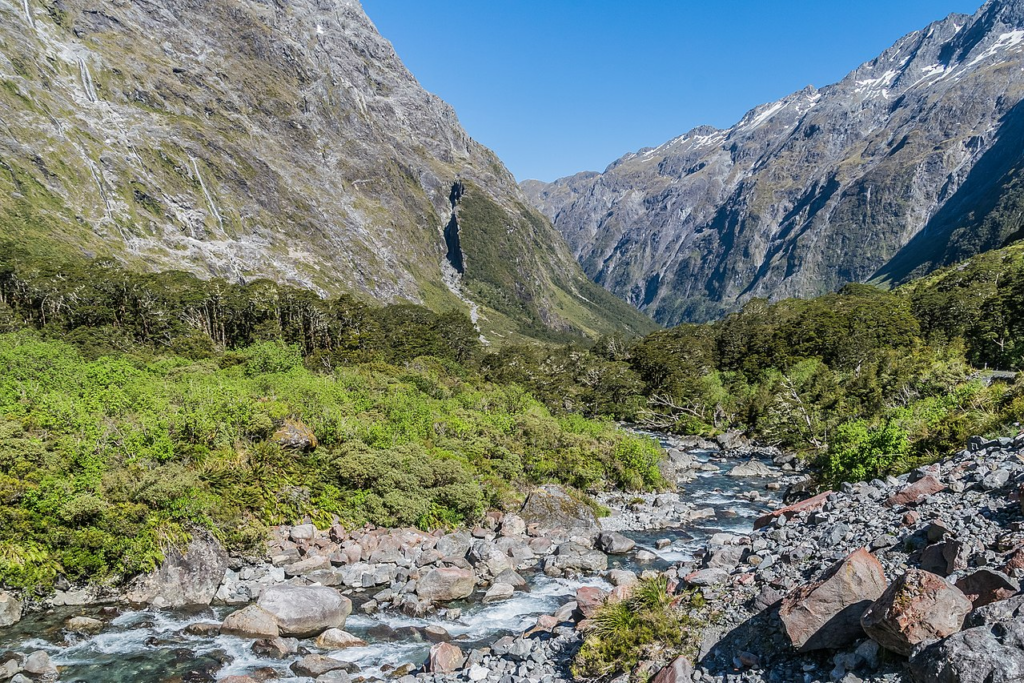
Fiordland is home to Milford Sound, a place so dramatic that it was once described by Rudyard Kipling as the eighth wonder of the world. According to 2026 travel guides, the park is at its most “unreal” during a rainstorm, when hundreds of temporary “ghost waterfalls” appear on the sheer cliff faces. The deep, dark water of the fiord contrasts sharply with the vibrant, moss-covered mountains that rise nearly 5,000 feet straight out of the sea. The low-hanging clouds and prehistoric ferns make every frame look like a still from a high-budget dinosaur film, especially during the moody morning mists.
5. Banff National Park, Canada
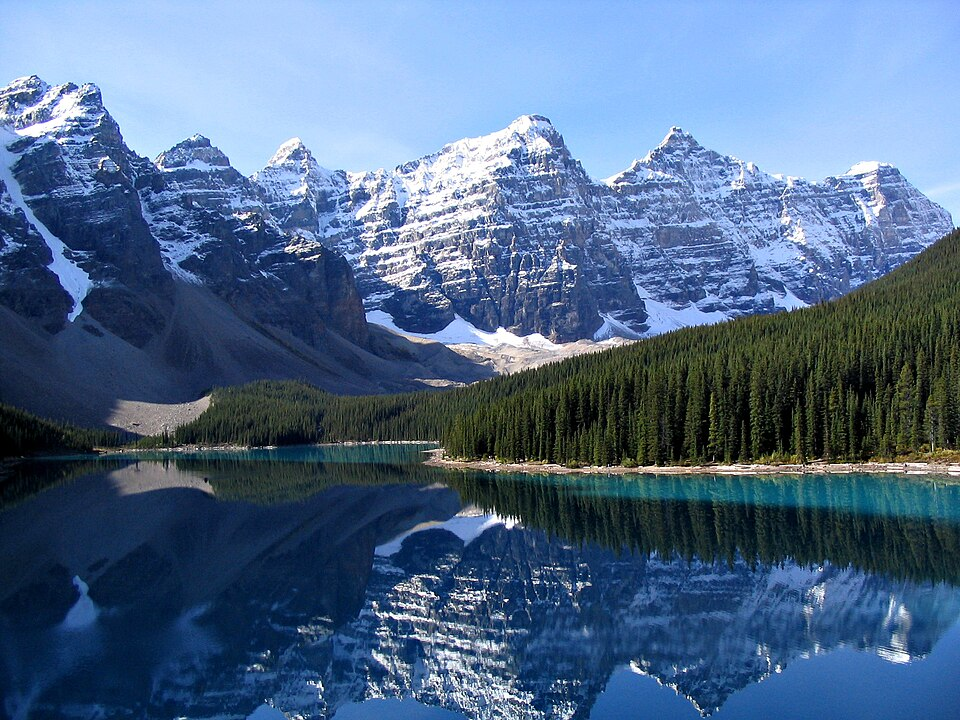
Banff is famous for Lake Louise and Moraine Lake, two bodies of water that possess a vibrant “milk-blue” color caused by glacial silt. According to 2026 environmental reports, the color is most intense in late June and July as the glaciers melt, feeding the lakes with light-refracting rock flour. Surrounded by the jagged, snow-capped peaks of the Canadian Rockies, the landscape looks almost “painted” because the colors are so saturated. Most photos from the Rockpile at Moraine Lake are so stunningly symmetrical and colorful that they are frequently mistaken for digital renders or AI-generated art.
6. Torres del Paine National Park, Chile
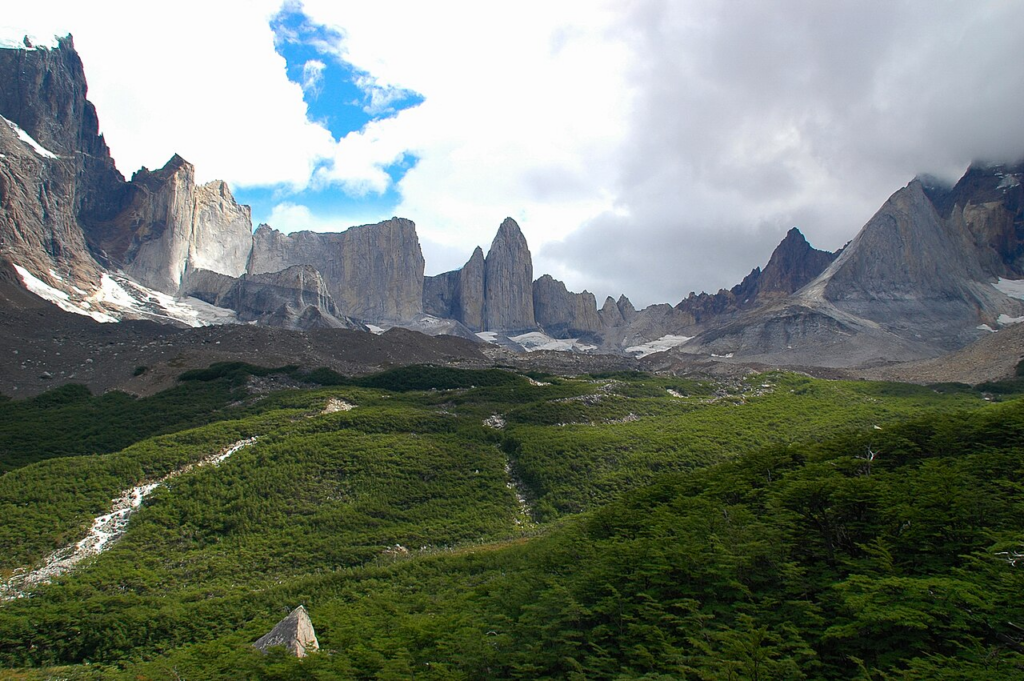
In the heart of Patagonia, this park features the Cuernos del Paine, or “horns,” which are dramatic granite peaks that change color as the light shifts. According to 2026 trekking data, the park is a “best in show” destination for landscape photographers because of its raw, wind-swept beauty and diverse biomes. The contrast between the golden pampas grass, the charcoal-colored mountains, and the bright blue icebergs of Grey Glacier creates a multi-layered color palette. The legendary Patagonian light is often filtered through fast-moving clouds, creating “God rays” that make the entire valley look ethereal and vast.
Serengeti National Park, Tanzania
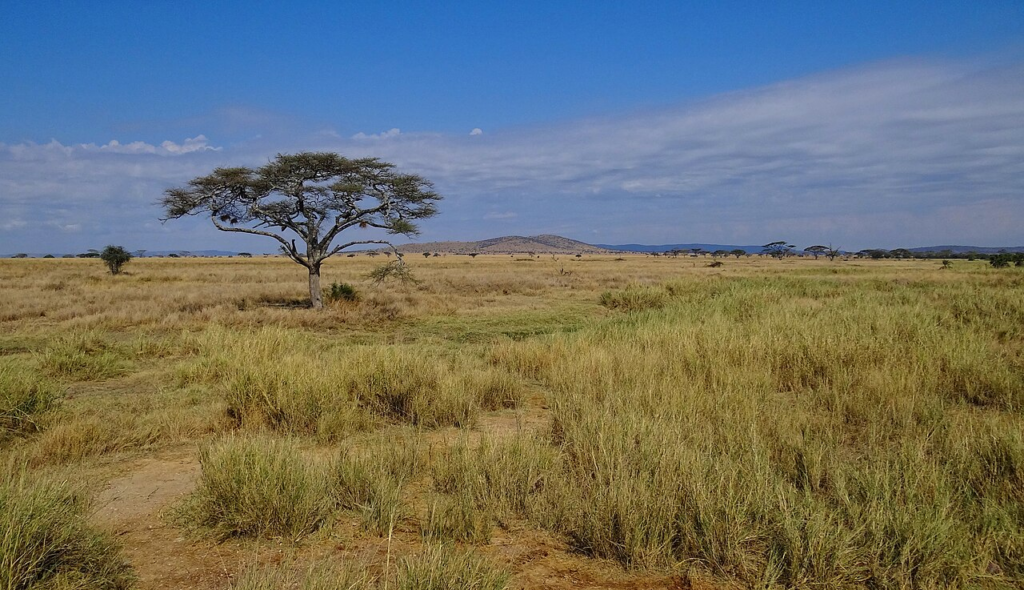
The Serengeti offers a different kind of “unreal” beauty through its timeless horizons and the massive scale of the Great Migration. According to the 2026 wildlife census reports, the park remains one of the few places on Earth where you can see over two million animals moving across a single landscape. The iconic silhouettes of acacia trees against a blood-red African sunset provide a classic, high-contrast composition that is a staple of professional wildlife photography. The sheer emptiness of the savanna, interrupted only by massive herds of wildebeest and zebra, creates a sense of “prehistoric Earth” that looks breathtaking in every shot.