
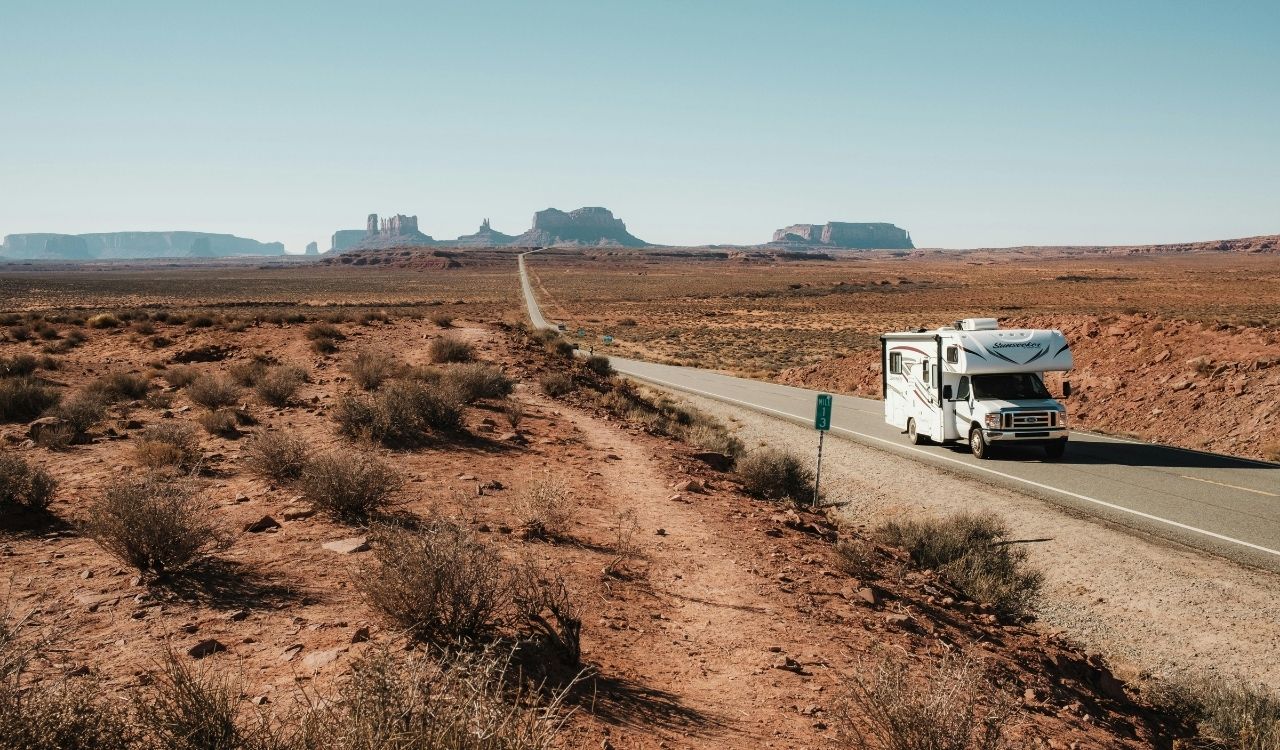
A U.S. road trip feels like freedom: long highways, small town diners, and national park views stretching for miles. Yet the real price goes far beyond a tank of gas and a motel reservation. Costs shift by region, season, and travel style, especially during peak summer months. Before mapping out a coast-to-coast drive or a Southwest loop, it helps to understand what Americans actually spend and where budgets quietly expand.
Fuel, Vehicle Wear, And Tolls
Gas is the most visible expense, but prices vary sharply across the country. Drivers along the West Coast and in parts of the Northeast often pay far more per gallon than those traveling through the Midwest or South. A 2,000-mile trip in a vehicle averaging 25 miles per gallon can realistically cost $280 to $450 in fuel alone. Add an oil change, tire service, or brake check before departure, and another $100 to $250 may be required. Rental cars in peak season often run $60 to $120 per day after taxes and insurance. Tolls on East Coast turnpikes, Florida expressways, or urban bridges can add $20 to $150, depending onthe route.
Lodging, Taxes, And Parking
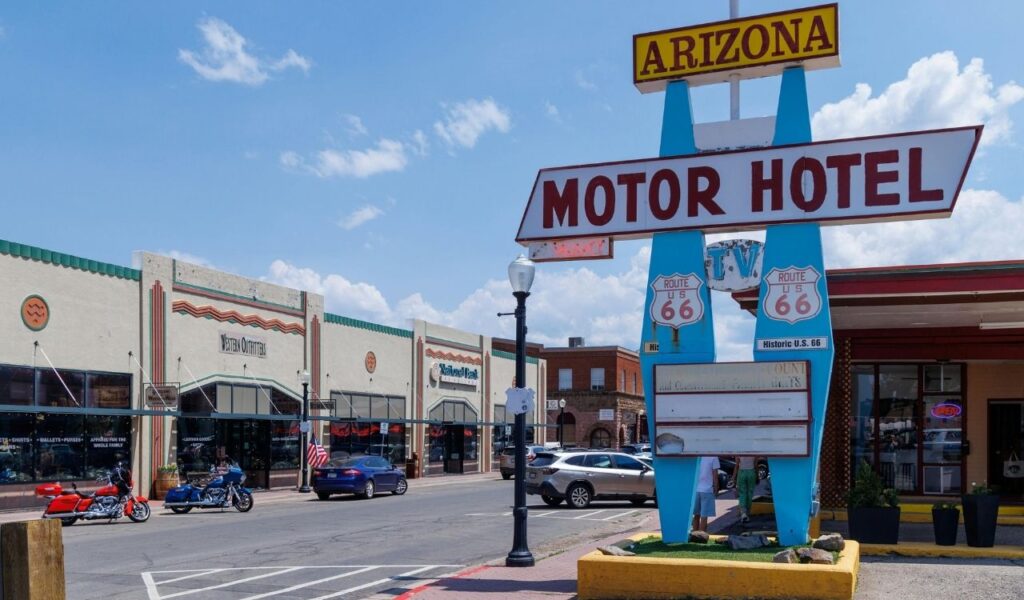
Overnight stays usually account for the largest share of a road trip budget. Interstate motels may average $100 to $150 per night, but summer rooms near places like Yellowstone, coastal Maine, or Southern California beaches can exceed $300 once taxes and local lodging fees are added. Campgrounds cost far less, often $25 to $60, though reservations sell out quickly during school breaks. Urban hotels frequently charge $30 or more for parking, and downtown garages or beach lots may add $15 to $40 per day. Over a week, lodging and parking combined can range from $750 to well above $1,900, depending on location and timing.
Food, Attractions, And Hidden Buffers
Daily spending builds gradually through meals, entry fees, and small purchases. Quick service meals for two often cost $35 to $55 per stop, while popular tourist town restaurants run higher. Grocery store stops for breakfast items and snacks can lower daily food totals to about $30 per person. National park entrance fees typically range from $20 to $35 per vehicle, though an $80 annual pass makes sense for multi-park routes. Beyond planned costs, travelers should set aside $300 to $500 as a buffer for unexpected repairs, weather reroutes, medical needs, or last-minute rate changes that raise overall trip expenses.
Travel Insurance, Medical Care, And Roadside Memberships
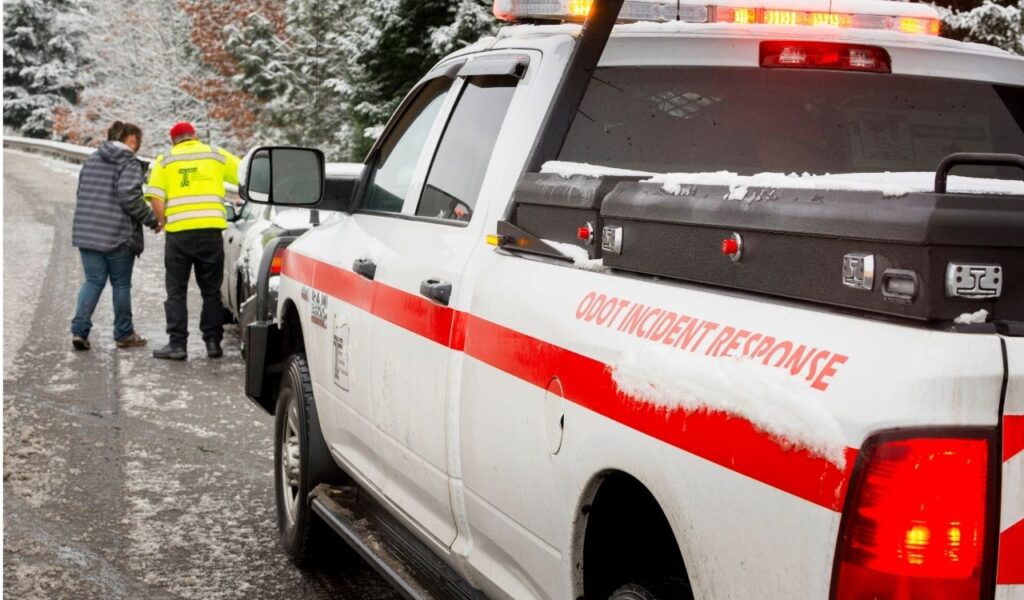
Protection costs get noticed only after a problem hits far from home. Domestic travel insurance is optional, but policies often cost around 4 to 8 percent of the trip value, which can add $100 to $300 on longer routes. Even with health coverage, out-of-network urgent care can mean higher copays and full-price prescriptions. A roadside plan like AAA commonly costs about $60 to $150 per year, while a single tow without it can run $200 or more. In rural Western stretches with weak service, recovery can take longer, and an unplanned hotel night during repairs may add $120 to $250. A blown tire can also mean a same-day replacement bill.
Seasonal Price Swings And Regional Cost Gaps
Timing changes the math as much as miles. Summer demand raises lodging near national parks, beach towns, and big events, while early fall can bring lower rates and lighter traffic on many routes. Fuel also differs by region, with higher averages on the West Coast and in parts of the Northeast than in much of the Midwest and South. Winter drives through mountain corridors may require tire chains in some areas or a higher-priced rental with All Wheel Drive. Holiday weekends often raise nightly prices by 20 to 40 percent in popular markets, and festival weeks can push rates even higher. Booking late often locks in the highest rates.