Trying to visit a national park should not feel like filing taxes. But for a lot of Americans, that is exactly what trip planning has become.
Why the system feels broken in the first place

The first thing that frustrates people is that there is no single national park permit system. There are many systems, with different rules, run by different agencies, on different timelines, for different reasons. A family planning one summer road trip can easily run into National Park Service timed entry rules, Recreation.gov lotteries, and Bureau of Land Management permits all in the same vacation. That is not user friendly. It is a patchwork.
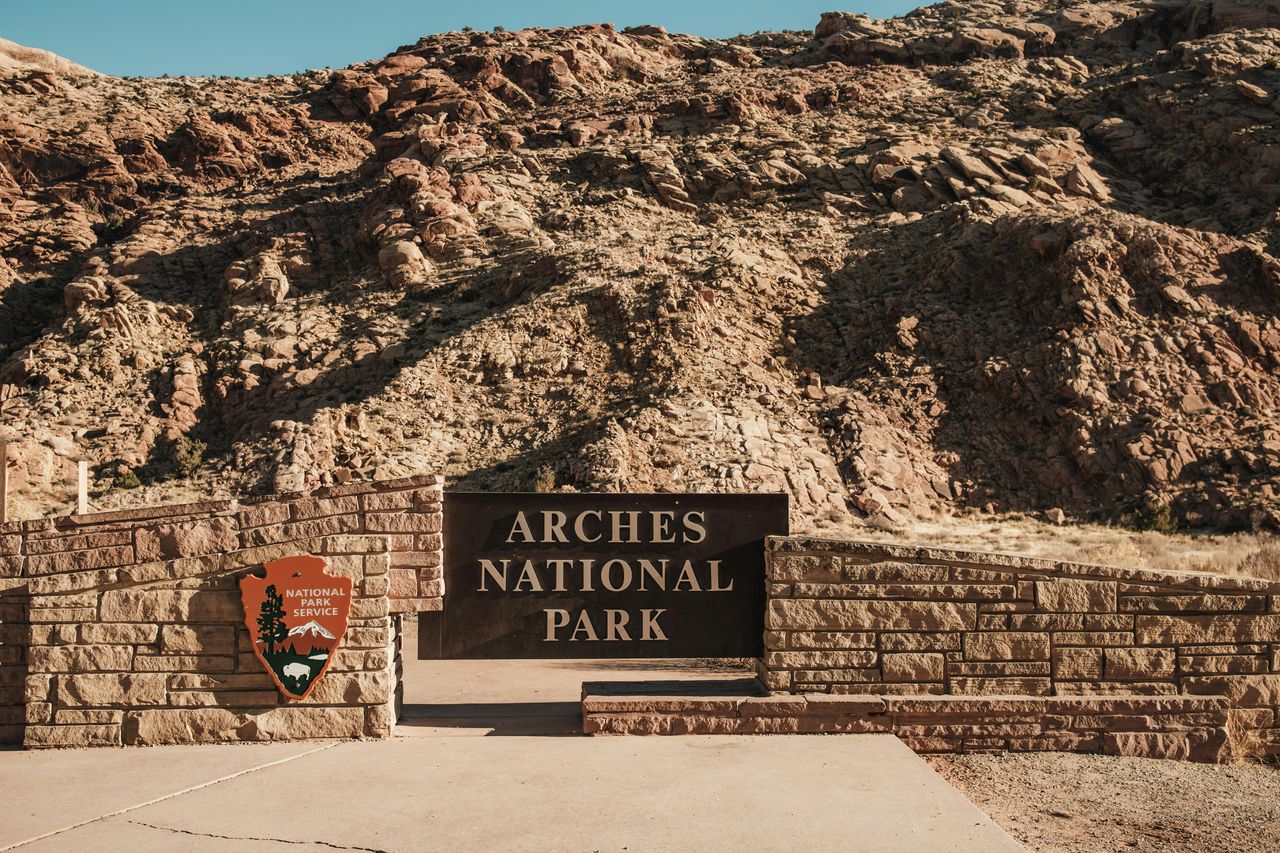
And the rules keep changing. In 2026, Yosemite says a reservation is not required to enter the park, after using peak-hours reservations in 2025. Arches, which used timed entry in recent years, says advanced timed-entry reservations will not be required in 2026. Glacier also dropped vehicle reservations for 2026, though it is piloting a ticketed-only shuttle system and a 3-hour parking limit at Logan Pass instead. Meanwhile, Rocky Mountain National Park is still using timed entry in 2026, and Acadia still requires vehicle reservations for Cadillac Summit Road from May 20 through October 25, 2026. That kind of year-to-year whiplash is a big reason people feel like they can never keep up.
The second problem is that many travelers hear the word permit and assume it covers the whole trip. Often it does not. At Acadia, for example, a Cadillac Summit Road reservation is separate from the park entrance pass. At Rocky Mountain, a timed entry reservation is about when and where you can drive in, not whether you have paid the entrance fee. At Yosemite, a Half Dome permit is for the hike, not for overnight lodging or camping. The system makes sense from the agency side because each tool solves a different crowding or safety problem. From the visitor side, it feels like paying for layers of access one piece at a time.
Then there is the timing issue. Some parks release inventory months ahead. Others hold back a large share until a few days before. Acadia releases 30 percent of Cadillac Summit Road reservations 90 days in advance and 70 percent two days in advance. Arches used a similar split in 2025, with next-day tickets released the evening before. If you do not know that second release exists, you can wrongly assume the trip is dead. In practice, a lot of the “impossible” bookings are only impossible if you play by the wrong calendar.
What parks are actually doing, and why it varies so much
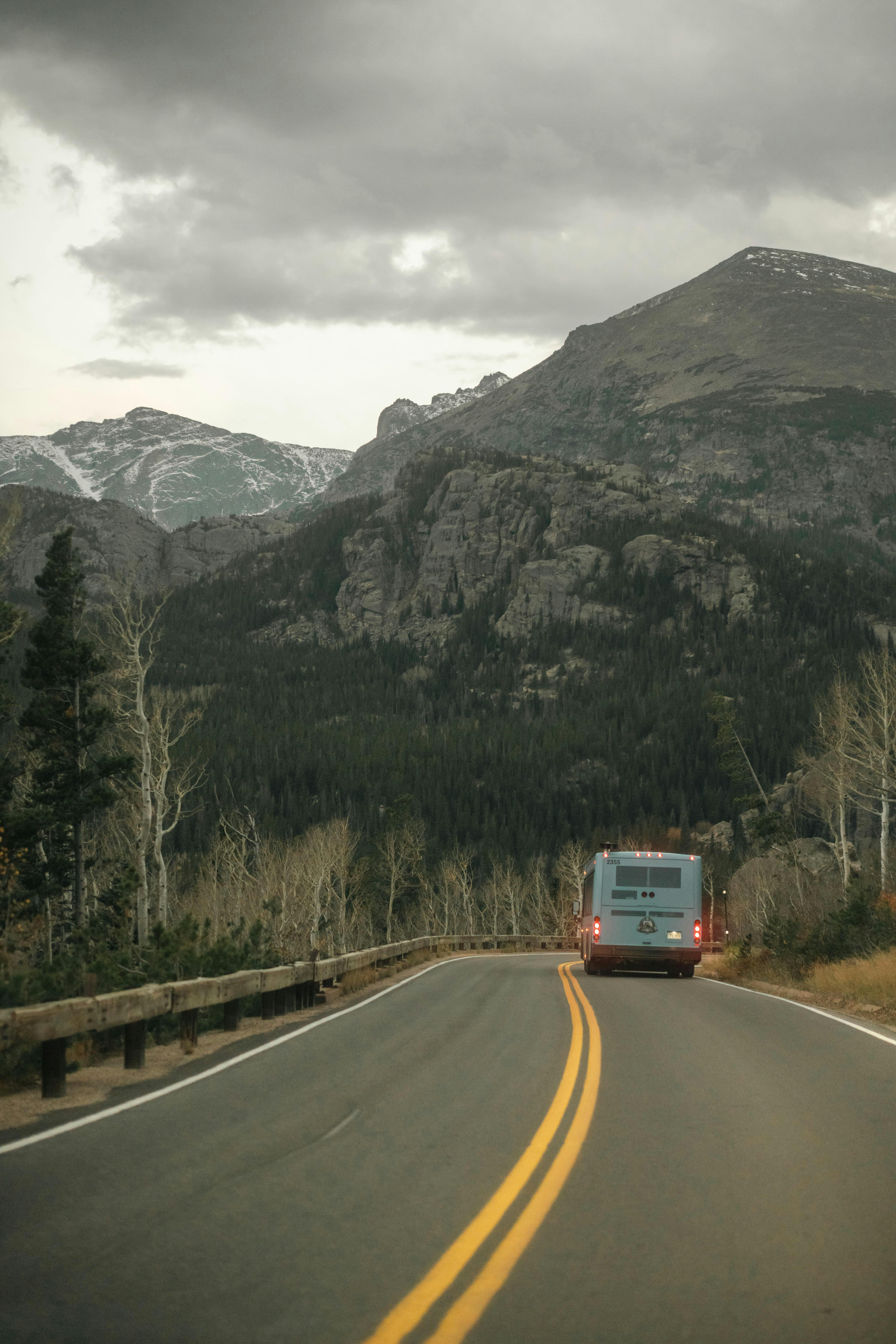
The permit mess is easier to handle once you accept one basic truth: these systems were not designed for simplicity. They were designed to manage crowding, parking, road capacity, trail safety, and resource damage at very specific choke points. That is why the rules are so uneven from park to park. The permit is usually not about the whole destination. It is about one overloaded road, trail, summit, or corridor.
Rocky Mountain is a good example. In 2026, it requires timed entry reservations from May 22 through October 12 during certain daytime hours, but it has two different reservation types. One covers the Bear Lake Road Corridor plus the rest of the park, and the other covers the rest of the park without Bear Lake access. That is not bureaucratic overkill for its own sake. Bear Lake is one of the park’s most congested areas, so the park manages it separately. If you only want Trail Ridge Road or the west side, you may not need the harder reservation to get.
Acadia’s Cadillac Mountain system works the same way. The park itself does not require a reservation for every area, but Cadillac Summit Road does because it is one of the most crowded sunrise and scenic drive spots in the country. Acadia says the park gets more than 4 million visits a year, and visitation there has risen nearly 60 percent over a decade. So the reservation is not a blanket gate around Acadia. It is a pressure valve for one road that would otherwise jam up fast.
Hiking permits follow the same logic. Yosemite’s Half Dome permit system is really a safety and crowding control program for one very specific route. The park caps use beyond the base of the subdome at 300 hikers a day, about 225 day hikers and 75 backpackers. Day hiker permits are distributed through a preseason lottery in March, plus daily lotteries during the season. Zion’s Angels Landing works similarly, with seasonal and day-before lotteries for one iconic but heavily impacted trail. These are not general admission tickets. They are crowd controls at the places where unmanaged access causes the most trouble.
That is why travelers get tripped up when they apply one park’s logic to another. One park may require nothing beyond an entrance fee. Another may require a timed entry slot for your car. Another may require a trail-specific lottery. Another may have no vehicle reservation in 2026 but still have shuttle or parking controls. Once you stop asking, “Does this park need a permit?” and start asking, “Which exact road, trail, or activity is controlled?” the whole system becomes much easier to decode.
The smartest ways to improve your odds without overplanning

The best workaround is not some secret website hack. It is planning with the actual release structure in mind. Most people focus only on the first big on-sale date, then give up if they miss it. That is a mistake. Many parks deliberately hold inventory for later release windows, especially for flexible travelers. Acadia is the clearest example in 2026, with most Cadillac Summit Road reservations released just two days ahead. That means a traveler who misses the 90-day window can still have a very real shot.
The second smart move is to build the trip around alternatives that do not require the hardest-to-get reservation. At Rocky Mountain, if your dream is Bear Lake at 8 a.m., you are competing for the most popular access. But if you mainly want alpine views, wildlife spotting, or a scenic drive, a different timed entry option or a different area of the park may fit just as well. In a lot of parks, the hardest permit is tied to the most famous photo spot, not the only worthwhile experience.
Time-of-day flexibility matters more than people think. Arches made this very clear during its timed entry years by allowing entry without a timed ticket before 7 a.m. or after 4 p.m. Even where a formal reservation is still in place, early and late visits are often the cleanest workaround because they avoid both reservation competition and worst-hour congestion. This also tends to mean cooler temperatures, easier parking, and better light. The workaround is not always fancy. Sometimes it is just waking up earlier than everybody else.
Another overlooked tactic is stacking refundable or low-risk pieces in the right order. If a campsite or lodge reservation includes access benefits, that can simplify your trip. Rocky Mountain says some campground reservations include timed entry. Other parks waive certain entry controls for visitors with qualifying activity bookings. You have to read the park’s current rules carefully, but sometimes the smartest play is to reserve the thing that unlocks the access you wanted anyway. The bigger point is simple: do not book flights, hotels, and rental cars on the assumption that a permit will magically appear later. Reverse that logic whenever possible.
Finally, keep screenshots, downloads, and backups. NPS warns that connectivity can be unreliable in parks like Acadia and Rocky Mountain. If your proof of reservation lives only in your email and your signal disappears at the entrance station, your well-planned workaround can fall apart fast. Old-school trip prep still wins here.
How regular travelers can build a trip that survives permit chaos

The most reliable national park trips are not the ones with the most ambitious spreadsheets. They are the ones built with fallback options from the start. That means choosing a park, then identifying three layers of plan: the ideal version, the no-permit-needed version, and the last-minute salvage version. If your first choice comes through, great. If not, the trip still works. This is how seasoned travelers keep one missed lottery from wrecking a vacation.
Say your original plan is Yosemite with a Half Dome hike. You should treat Half Dome as a bonus, not the entire purpose of the trip, unless you are willing to accept a high chance of disappointment. Yosemite in 2026 does not require an entrance reservation, which already makes logistics easier than in some prior years. But Half Dome still runs through a competitive permit process, with a preseason lottery and daily lotteries during the cable season. If you lose, you still have Glacier Point, Tuolumne-area options when open, giant sequoias, valley hikes, and countless viewpoints. The permit should shape the itinerary, not define whether the trip is worth taking.
The same thinking applies to places like Zion and Acadia. If you do not land Angels Landing, you can still have a fantastic day on trails like Observation Point via East Mesa access when conditions allow, the Canyon Overlook area, or the Riverside Walk. If Cadillac sunrise sells out, Acadia still offers carriage roads, ocean scenery, Jordan Pond, and other overlooks. The public often talks as if one permit equals the whole park. It almost never does.
This matters financially, too. The permit system punishes rigid travel. If you lock in nonrefundable flights and expensive lodging around one narrow reservation outcome, you are taking on all the risk. A more resilient trip uses cancelable lodging when possible, shoulder-day arrival windows, and at least one nearby alternative destination. In the Mountain West, that might mean pairing a marquee park with a national forest, state park, or less famous NPS unit nearby. In New England, it might mean mixing Acadia with quieter coastal days that need no reservation at all.
People hate hearing this, but the workaround to permit chaos is often to stop chasing only the most crowded icon at the most crowded hour. National parks are full of second-choice experiences that are, in real life, just better. Easier parking, less stress, more room on the trail, and the same mountains in front of you.
The practical playbook that works right now
If you want one simple approach, use this order. First, check the official park page for the exact year you are traveling, because rules can change fast. In 2026 alone, Yosemite, Arches, and Glacier each moved away from systems visitors had gotten used to, while Rocky Mountain and Acadia kept targeted reservation controls. If you rely on a blog post, a friend’s memory, or last year’s Reddit thread, you can easily plan for rules that no longer exist.
Second, figure out whether you need four separate things: an entrance pass, a timed entry reservation, an activity-specific permit, and lodging or camping. A lot of confusion disappears once you separate those buckets. At Acadia, the park pass and Cadillac vehicle reservation are different. At Yosemite, no entrance reservation in 2026 does not mean no permits for wilderness trips or Half Dome. At Rocky Mountain, the timed entry reservation controls access timing, while the entrance pass is still separate.
Third, work the calendar backward from every release date, including the late-release inventory. Put alerts in your phone for the big on-sale dates and the shorter windows. If there is a day-before or two-days-before release, treat that as a real opportunity, not an afterthought. For travelers with flexible schedules, those short windows can be the difference between missing out and getting in.
Fourth, build your day around off-peak access. Early starts and late entries are still the cleanest workaround in many crowded parks, even when formal rules differ. Fifth, make your backup plan specific. Not “we’ll do something else,” but “if we miss Bear Lake, we drive Trail Ridge Road,” or “if we miss Half Dome, we hike Mist Trail to Nevada Fall.” Specific backups keep the trip moving.
The national park permit system is messy because it grew park by park, problem by problem, with no single logic that visitors can easily follow. That part is real, and the frustration is earned. But once you understand that the game is really about choke points, release windows, and flexibility, it stops feeling random. You may not beat the system every time, but you can stop letting it beat your whole trip.