In 2026, the “quietcation” has become the primary goal for over 55% of American travelers. According to recent wellness tourism data, the most effective way to combat burnout is to move through landscapes where cell service is limited and natural rhythms take over. These six routes have been selected for their low traffic volume, high density of “dark sky” areas, and lack of modern distractions. From the misty forests of the Pacific Northwest to the vast silence of the Chihuahuan Desert, these drives offer a factual path to inner peace. We analyzed recent infrastructure reports and campsite availability to ensure these journeys remain tranquil, even during the 2026 travel surge.
The Olympic Peninsula Loop (Washington)
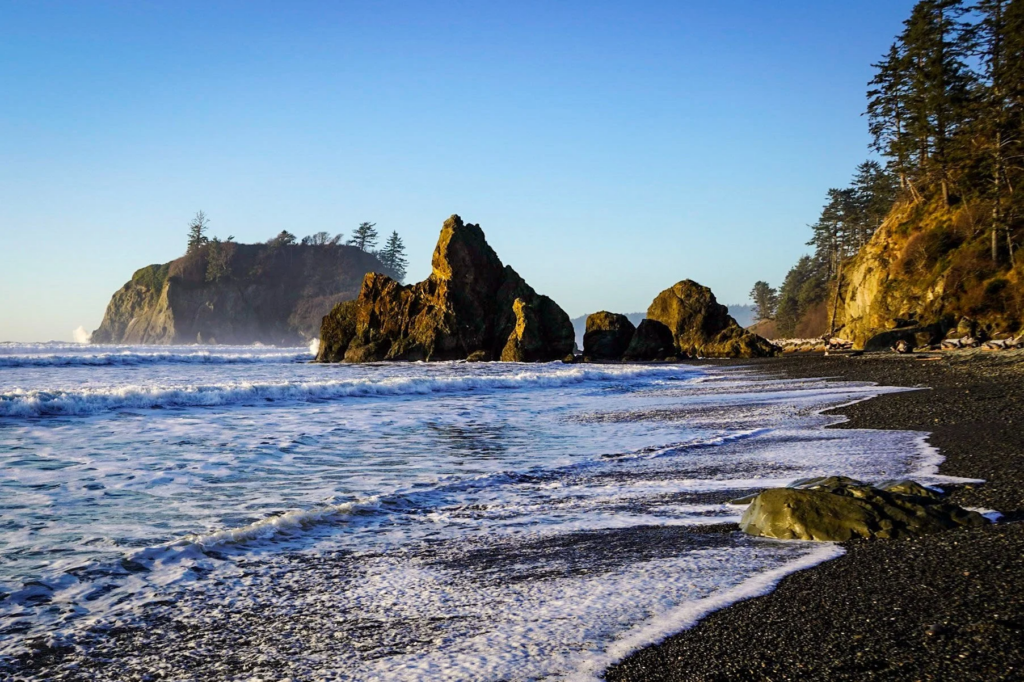
This 330-mile loop around Olympic National Park is a masterclass in atmospheric isolation. According to recent 2026 travel guides, the park is intentionally limiting Wi-Fi expansion to preserve its “unplugged” status. Travelers can spend days wandering through the Hoh Rainforest, one of the quietest places in the lower 48 states. The route follows Highway 101, leading to rugged beaches like Ruby Beach and Rialto Beach, where the sound of the Pacific replaces your phone’s notifications. Staying at the historic Lake Quinault Lodge offers a chance to step back in time, with main lodge rooms that remain free of televisions and phones.
Big Bend’s Ross Maxwell Scenic Drive (Texas)
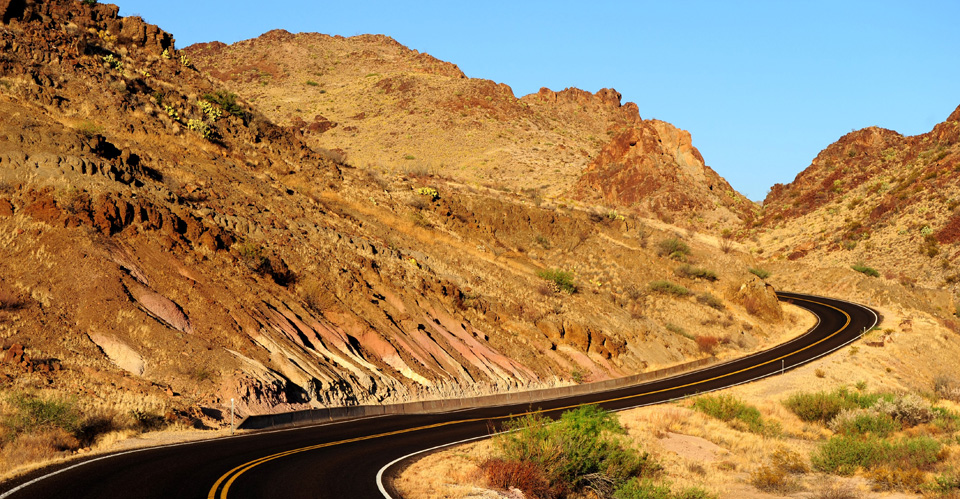
Located in one of the most remote corners of the United States, Big Bend National Park is a premier destination for a digital detox. The Ross Maxwell Scenic Drive takes you through the heart of the Chihuahuan Desert, ending at the towering 1,500-foot walls of Santa Elena Canyon. According to 2026 park infrastructure reports, the park remains a “dead zone” for most major cellular carriers, forcing a natural disconnect. Visitors often spend nights at the Chisos Mountains Lodge, which provides a silent, high-altitude sanctuary beneath some of the darkest skies in North America. The sheer scale of the desert landscape encourages a slow, meditative pace that is impossible to maintain in urban environments.
The San Juan Skyway (Colorado)
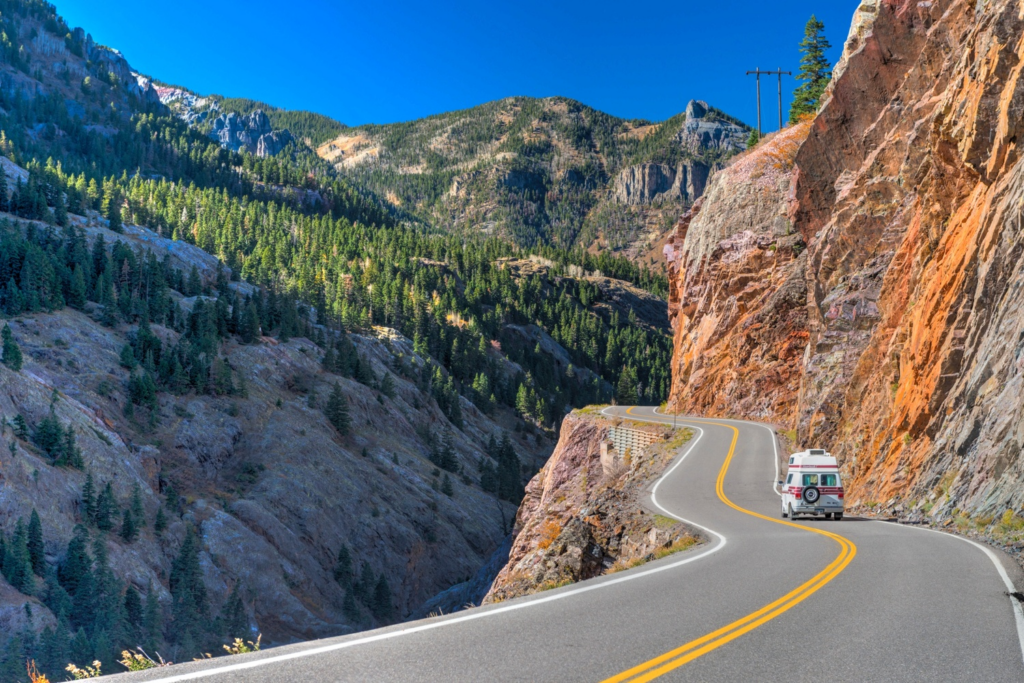
Known as the “Road to the Sky,” this 236-mile loop through the San Juan Mountains reaches elevations of over 11,000 feet. In 2026, the route is favored by travelers seeking “high-altitude resets” far away from the busy I-70 corridor. The drive includes the famous Million Dollar Highway between Silverton and Ouray, featuring narrow lanes and massive cliffs that demand your total presence. According to Colorado tourism data, the lack of billboard advertising along this designated All-American Road helps reduce visual clutter and mental fatigue. Stopping in the historic town of Dunton Hot Springs provides access to naturally carbonated mineral pools that have been used for relaxation for over a century.
The Hana Highway (Hawaii)
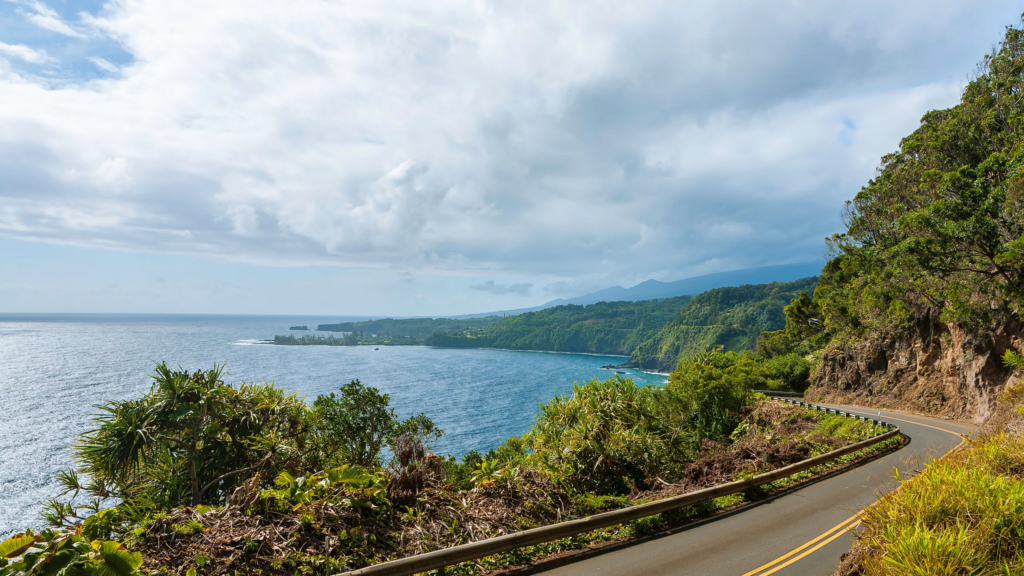
While popular, the 64-mile drive to Hana on Maui remains a powerful way to disconnect if you embrace the “back road” philosophy. The highway features 620 curves and 59 bridges, many of which are only one lane wide, mandating a slow and intentional driving speed. According to recent 2026 sustainability initiatives, the town of Hana has resisted large-scale commercial development to protect its rural, quiet character. Travelers are encouraged to stay overnight in Hana to experience the town after the day-trippers have left, allowing for a peaceful morning at the Waiʻānapanapa State Park black sand beach. The dense jungle canopy and hidden waterfalls create a sensory-rich environment that pulls your attention away from digital screens.
The Blue Ridge Parkway (Virginia & North Carolina)
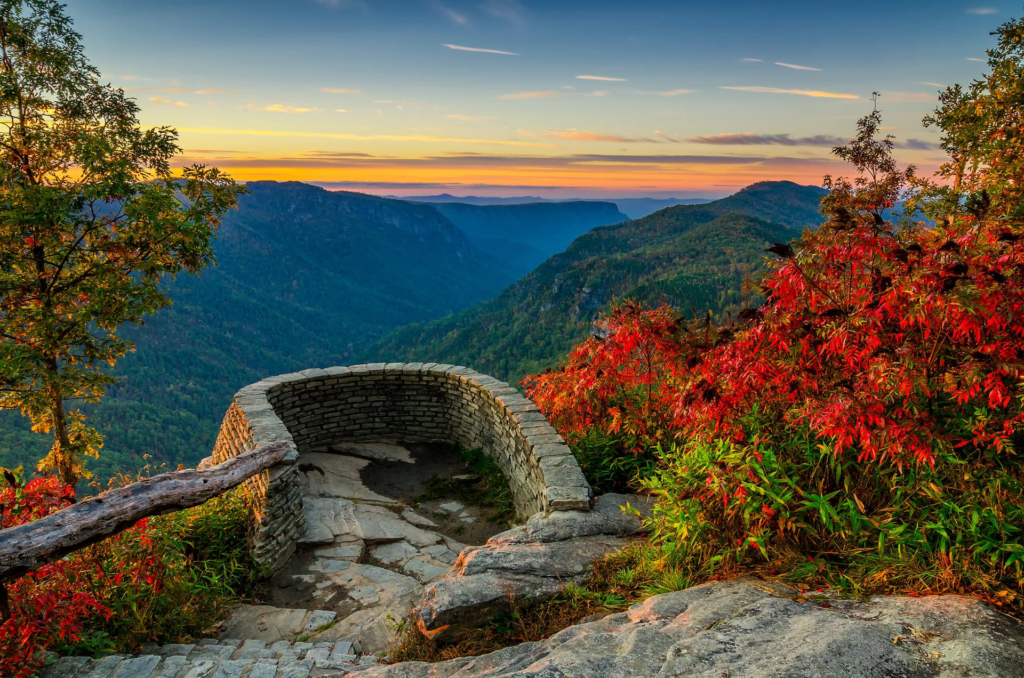
The Blue Ridge Parkway is a 469-mile slow-speed sanctuary designed specifically for leisure, with no commercial traffic or stoplights allowed. In 2026, the parkway remains a top destination for “slow travel,” with a maximum speed limit of 45 mph that ensures a relaxed journey. According to National Park Service records, the route features over 200 scenic overlooks where you can park and simply watch the mist roll over the Appalachian ridges. The Linville Falls and Mabry Mill stops provide quiet places to walk through historical landscapes and old-growth forests. This route is a factual antidote to the high-speed stress of modern interstate driving, focusing on the journey rather than the destination.
The Dalton Highway (Alaska)
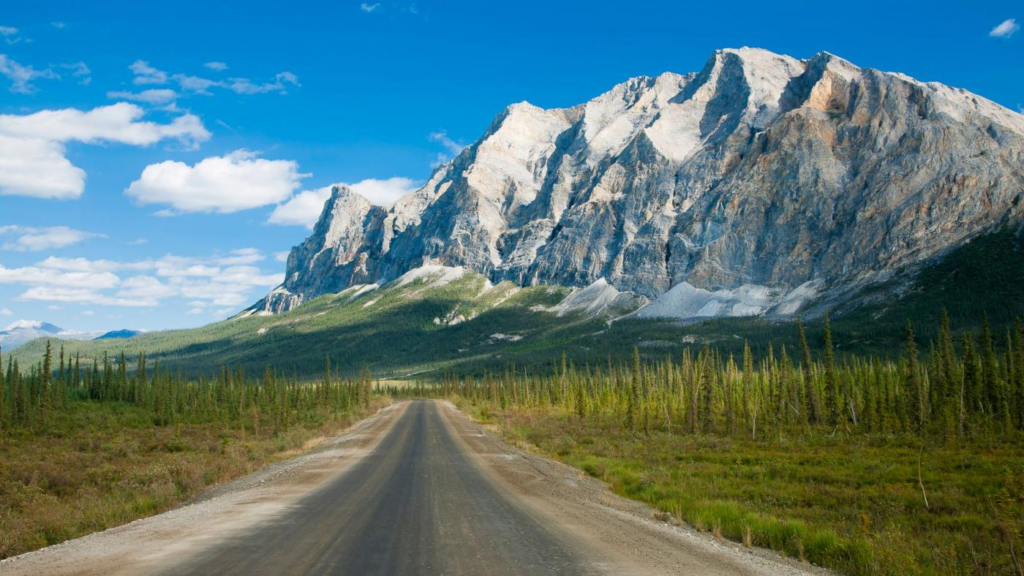
For the ultimate reset, the Dalton Highway offers a 414-mile trek into the heart of the Alaskan Arctic. This is a gravel-heavy route that crosses the Yukon River and the Arctic Circle, leading to some of the most isolated wilderness on the planet. According to 2026 Alaskan travel advisories, travelers must be entirely self-sufficient, as there are only three small towns along the entire length of the road. There is virtually no cell service or internet for hundreds of miles, providing a forced but rewarding disconnect from the modern world. The vast, treeless tundra of the North Slope offers a perspective of scale and silence that is truly life-changing for those brave enough to make the trip.