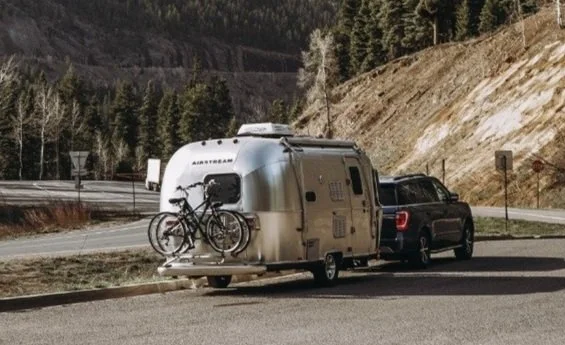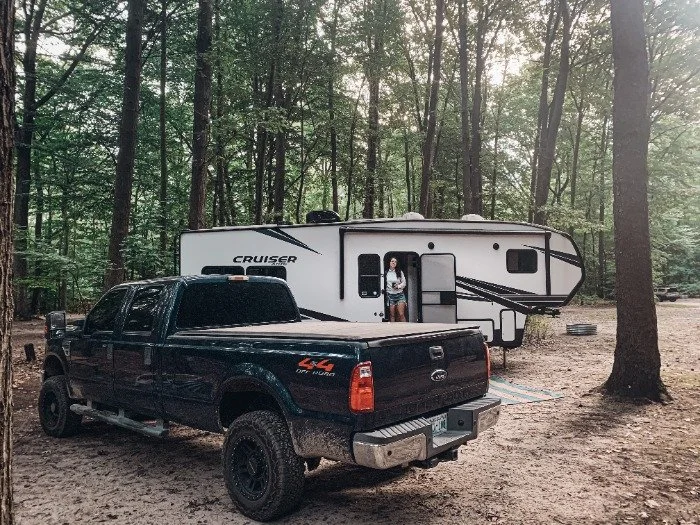
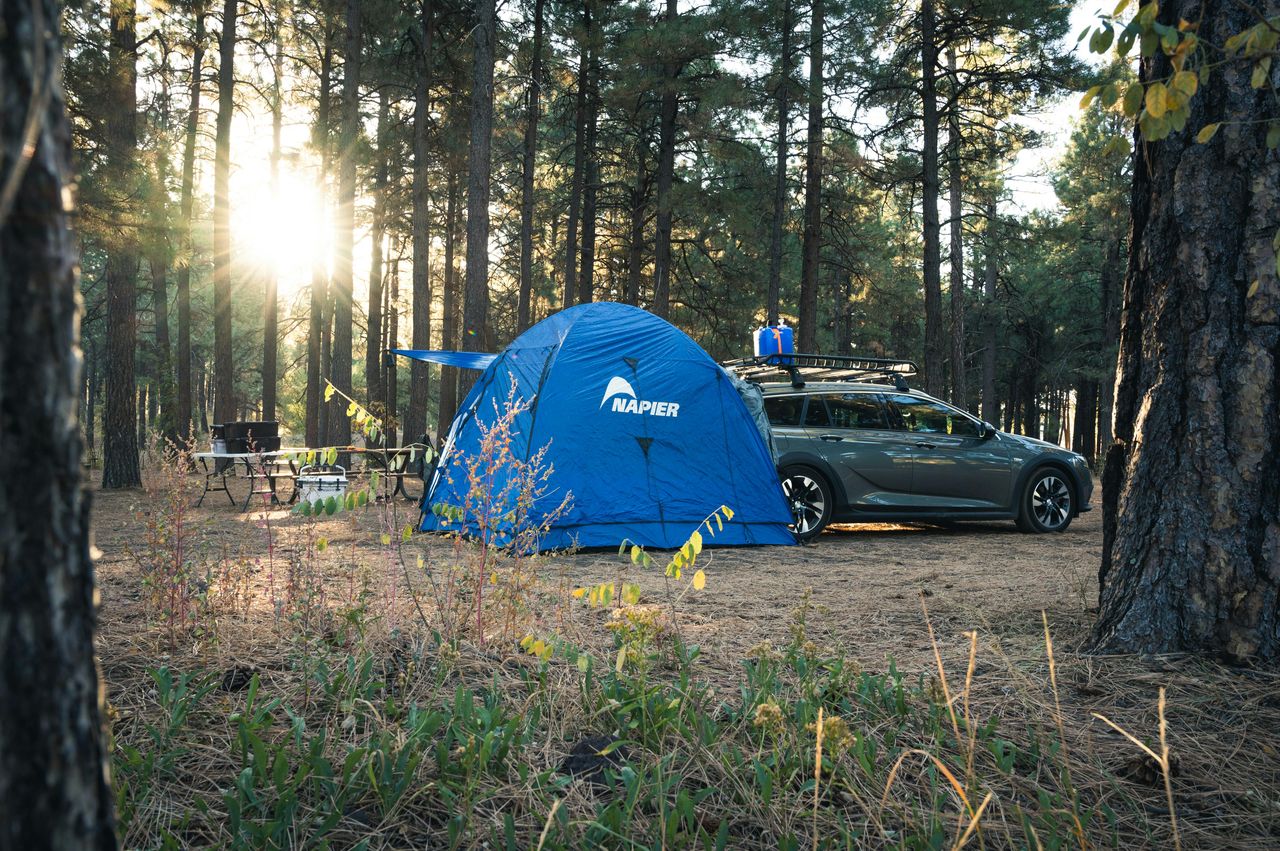
A tidy car camping setup is no longer a niche obsession for gear purists. It is becoming the practical standard for travelers who want comfort, safety and speed at camp without turning the back of a vehicle into a jumble of loose equipment.
That shift matters because more Americans are road-tripping, reserving campground stays and using everyday vehicles for overnight travel, while public-land agencies and outdoor retailers keep stressing organization, food security and minimal-impact camping.
The new look of car camping is less gear, more system
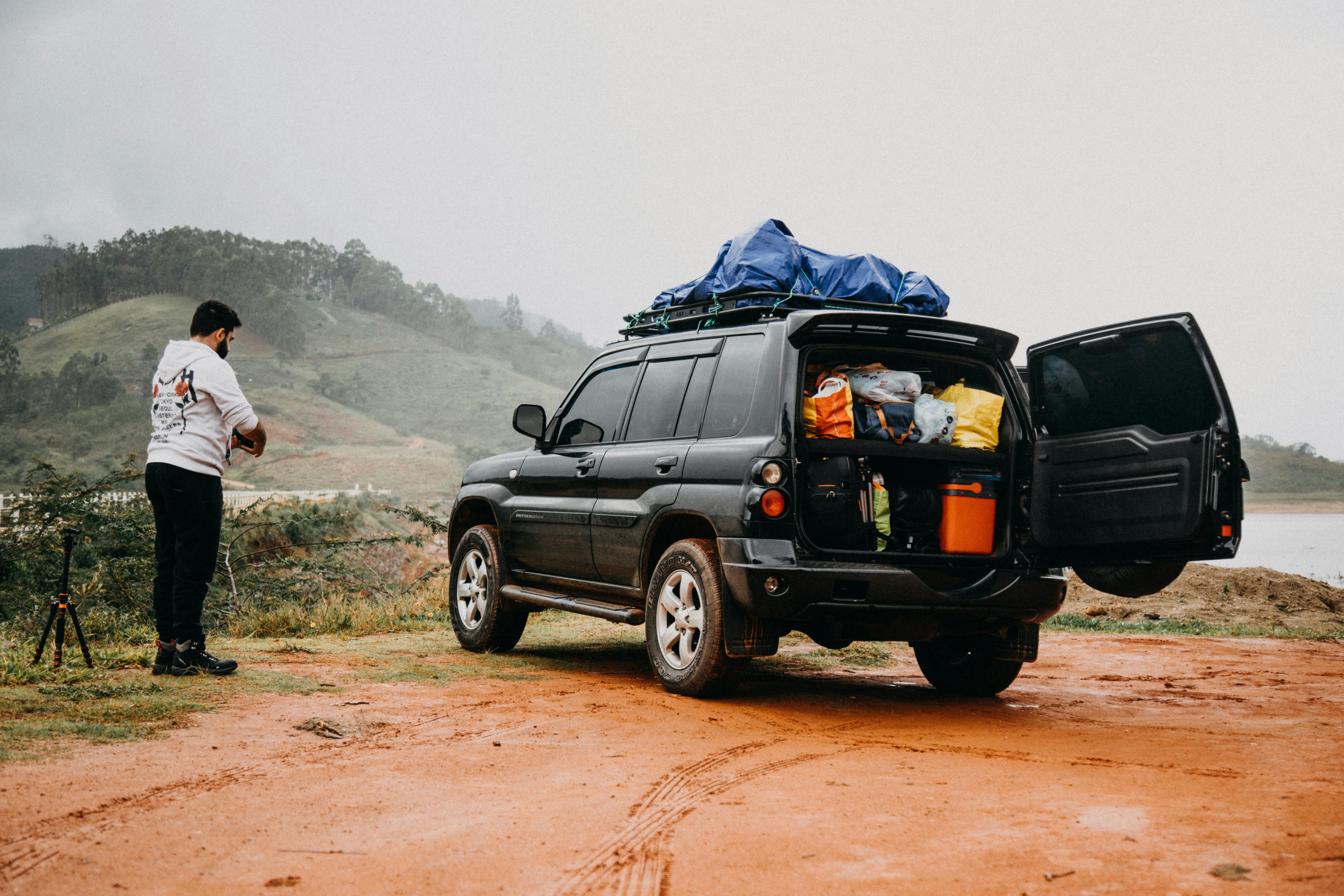
The modern car camping setup that is drawing the most attention is not built around owning more things. It is built around reducing visual and physical clutter so that sleeping gear, cooking supplies, clothing and emergency essentials each have a defined place. Guidance from REI’s recent car-camping and campsite-organization coverage points repeatedly to simple systems such as a single camp box, soft gear sacks and stackable bins rather than a pile of one-off accessories. According to REI’s 2025 gear guide, vehicle-assisted camping can be made more comfortable with selected essentials, but organization remains the difference between a pleasant camp and a frustrating one.
That change is visible across campground culture. Instead of sprawling kitchen kits, hanging organizers and a half-dozen backup gadgets, many campers are using three core zones: a sleep zone, a food-and-cook zone and a quick-access zone for headlamps, layers, water and toiletries. The appeal is straightforward. A setup that can be packed, unpacked and repacked in minutes lowers the friction of short trips, late arrivals and bad-weather mornings.
Retail advice has helped normalize that approach. REI’s campsite-organization guidance recommends a “camp box” concept, in which frequently used camp items stay packed together between trips. That turns preparation into restocking rather than reinventing. The practical effect is that the trunk or cargo area starts to resemble a compact utility drawer instead of a garage cleanout.
The style is also shaped by the reality of smaller vehicles. Many first-time campers are not using vans or purpose-built overlanding rigs. They are using compact SUVs, crossovers and sedans. In those vehicles, every inch matters, and overly elaborate setups can make it impossible to sleep flat, find cookware or reach a flashlight after dark. The result is a broader move toward modular packing that looks pared down not because comfort has been abandoned, but because inefficiency has.
Storage rules and safety concerns are reshaping what stays in the car

Part of the move toward cleaner setups is not aesthetic at all. It is regulatory and safety-driven. National Park Service campground guidance in multiple parks, including Glacier, Rocky Mountain, Sequoia and Kings Canyon, stresses that food, trash and scented items must be stored properly, often in vehicles or designated food lockers, and never left unsecured around camp. Those rules have forced campers to think more carefully about what belongs in open bins, what must be sealed and what should never be left loosely accessible overnight.
That is especially important in bear country and other wildlife-sensitive areas. Rocky Mountain National Park states that food items include not just meals and snacks but drinks, toiletries, cosmetics, pet food and other odor-bearing items. Glacier National Park similarly says edible items, toiletries, cookware and trash must be stored in a vehicle or designated food-storage locker both day and night. A neat setup, in that context, is not just visually calmer. It makes compliance easier because campers can isolate scent-bearing items quickly and consistently.
Safety on the road also plays a role. Loose gear can become dangerous in sudden stops or collisions, which is one reason road-trip checklists from outdoor organizations emphasize designated storage for essentials instead of open cargo scatter. Keeping heavy items low, consolidated and secured is especially important for people sleeping in the vehicle, because the line between cargo space and living space disappears once the seats fold down.
That has encouraged a more disciplined packing hierarchy. Heavier items such as water jugs, tool rolls and cook boxes are increasingly kept at the base of the load. Softer gear such as bedding and clothing fills upper gaps. Night-use items are staged near doors rather than buried under camp furniture. The logic is simple: if the item is needed in the dark, in rain or in an emergency, it should be reachable in seconds.
The cleaner layout also reduces campsite sprawl. Campers who can identify one closed bin for kitchen items and one bag for sleep gear are less likely to unload half the car onto a picnic table. That makes setup faster and lowers the chances of leaving behind utensils, chargers or food scraps when it is time to move on.
Sleep platforms are getting simpler, and for many campers that is the point
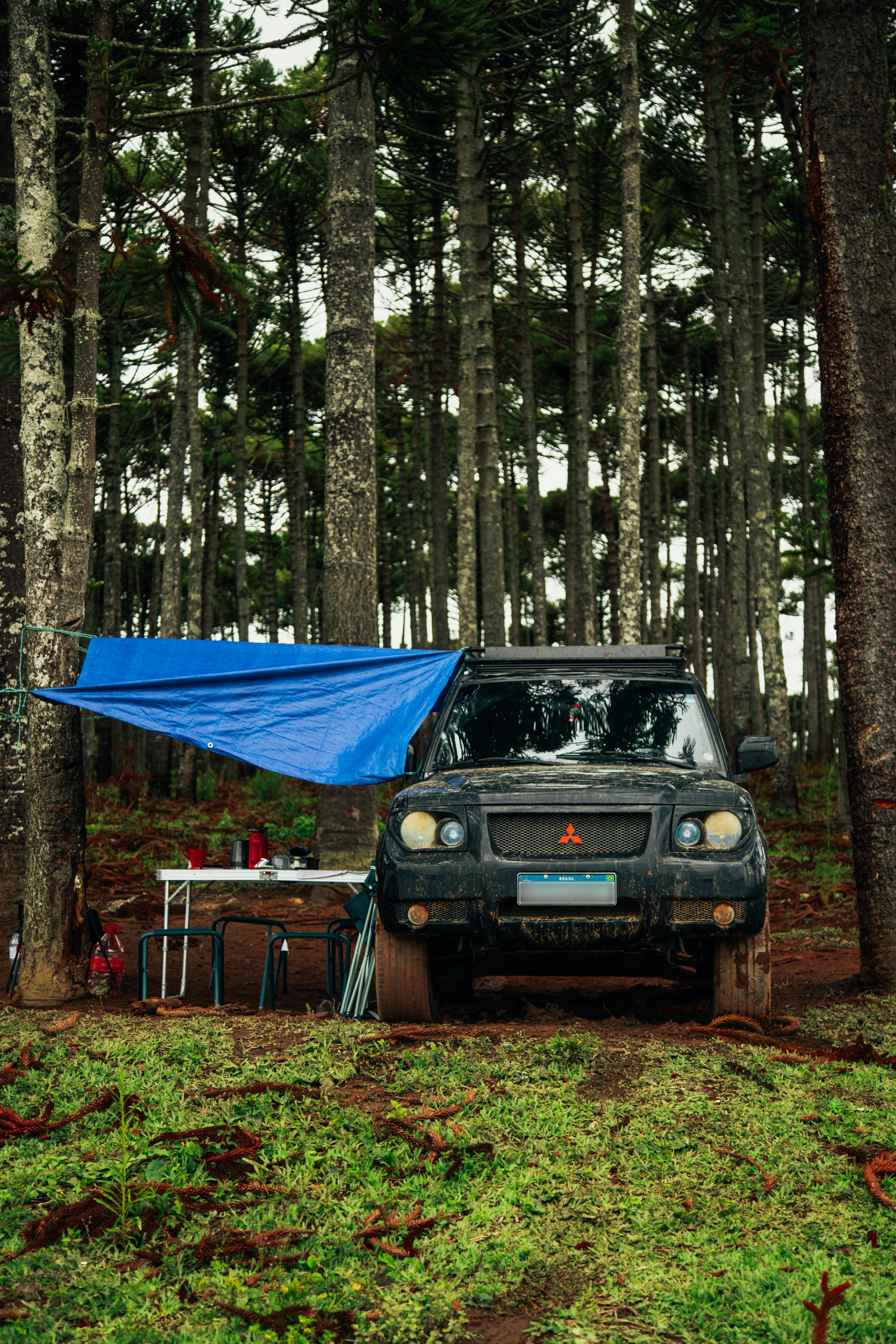
Not long ago, the popular image of car camping leaned heavily toward custom plywood drawers, rooftop storage and highly engineered interior builds. Those setups still appeal to enthusiasts, but current mainstream advice is often more restrained. REI’s guidance for sleeping in a car emphasizes comfort fundamentals such as a sleeping pad, mattress, pillow, ventilation planning and not sleeping with the engine running, rather than elaborate carpentry. For many travelers, the most effective setup is still a folded seatback, a leveling layer and compact bedding.
That simpler approach solves several common problems at once. Permanent or semi-permanent platforms can eat up headroom, add weight and reduce flexibility for people who use the same vehicle for commuting or family errands. They can also create dead storage that looks organized in photographs but becomes awkward in real use. A low-profile sleeping pad and a few fitted storage cubes can preserve enough flat space to rest comfortably without locking the vehicle into a single-purpose design.
Experienced campers have also moved toward bedding that compresses well and deploys quickly. REI’s sleeping-in-your-car tips highlight thicker, cushier mats and practical comfort upgrades because, unlike backpacking, car campers do not have to carry everything on their backs. That has led some campers to skip bulky furniture and put the comfort budget into the sleep system itself. In a compact vehicle, one good pad and a warm blanket can matter more than an accessory table or decorative lighting.
Privacy and airflow are part of the cleaner trend as well. Rather than hanging improvised blankets from every handle, campers often use fitted window covers or simple shades cut to shape. These take up little room and eliminate the visual mess that comes from draped fabric and dangling cords. Likewise, rechargeable lanterns and battery-powered string lights are favored over systems that require keeping a car battery under strain.
The shift is practical, not ideological. Campers are learning that the best sleep setup is the one they will actually use and repack without resentment. If a platform takes 45 minutes to rebuild every Sunday night, it is less likely to survive repeated weekends. If bedding can be rolled, stored and redeployed in under five minutes, the setup stands a better chance of becoming routine.
The camp box is emerging as the quiet hero of organized overnights
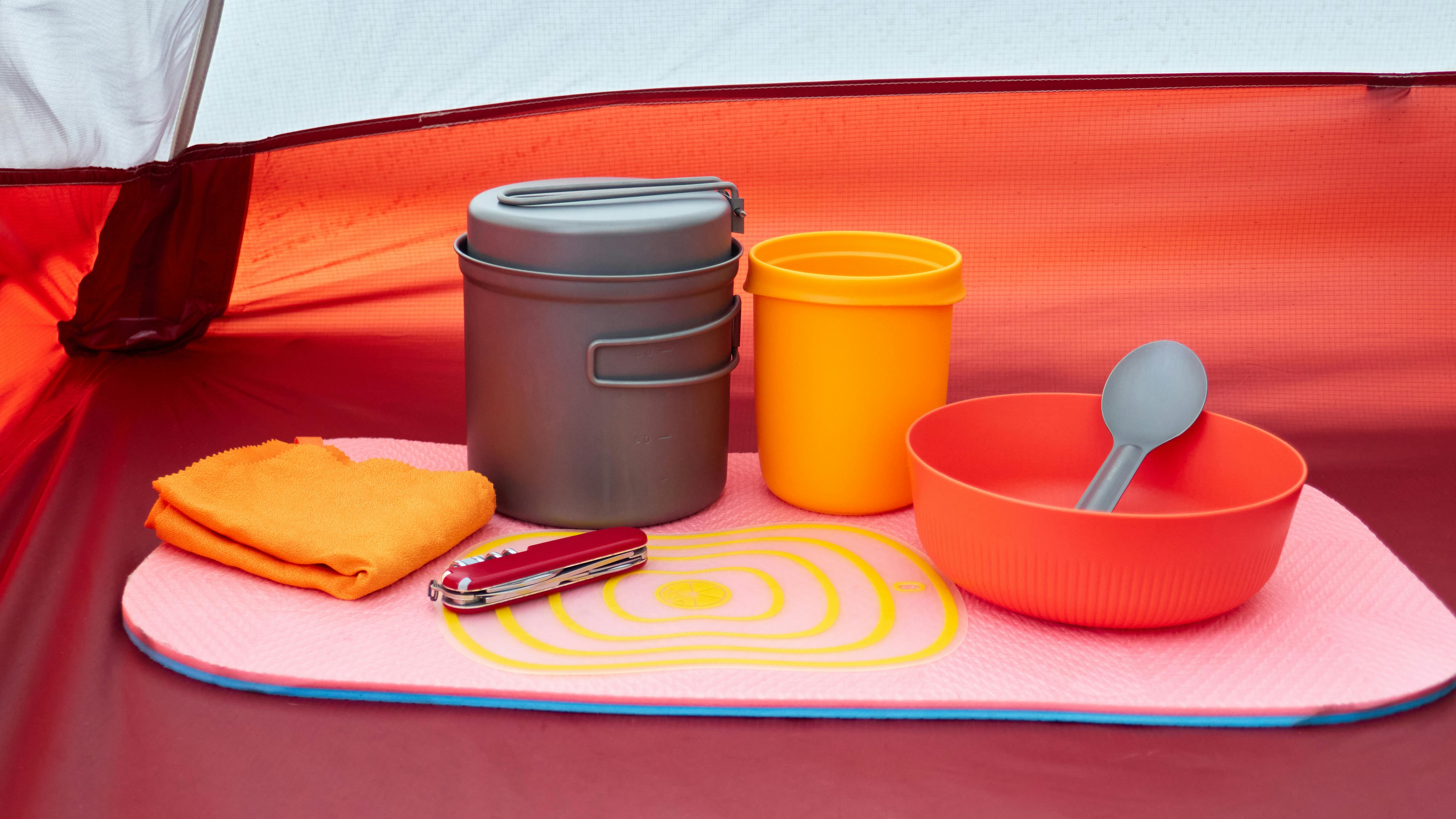
Among the most durable ideas in organized car camping is the camp box: one container that holds the repeat-use tools of camp life. REI’s campsite-organization advice and beginner camping guides both frame this as a way to simplify preparation and reduce forgotten items. In practice, the box often includes a stove, lighter, mug, headlamp, cutlery, dish kit, small repair items and cleanup supplies. The point is not that every camper needs the same list. The point is that the list stays together.
That one-box method has become more useful as trips get shorter and more spontaneous. Weekend campers often leave after work on a Friday and arrive near dark. In that scenario, the ability to pull out one known container and start dinner matters more than bringing a deluxe kitchen. Organized campers increasingly separate “always packed” gear from trip-specific items such as food, layers or specialty equipment. That division prevents the trunk from becoming a catchall.
It also reduces duplication, one of the main causes of gear bloat. When campers cannot remember whether matches, soap, coffee gear or charging cables are already in the vehicle, they tend to throw in extras. A labeled, restocked box breaks that cycle. One flashlight, one sponge, one stove lighter and one utensil roll are enough if each has an assigned place.
Retail checklists reinforce the same logic. REI’s family camping checklist and road-trip checklist focus on core categories rather than endless novelty gear. For general audiences, that means the most effective organization strategy often looks mundane: clear bins, a laundry bag for dirty clothes, soft sacks for bedding and a narrow tote for shoes or recovery gear. It does not look dramatic on social media, but it performs better under real conditions.
Experts also note that simplicity improves cleanup. A camper with a single dish bin and trash bag can reset camp quickly before bed, a habit that supports both wildlife safety and Leave No Trace practices. The National Park Service and Leave No Trace education materials consistently stress packing out waste, securing food and minimizing impact. A clean setup supports those rules because every object has a destination before it ever leaves the car.
Why the minimalist car camping trend may outlast the latest gear cycle
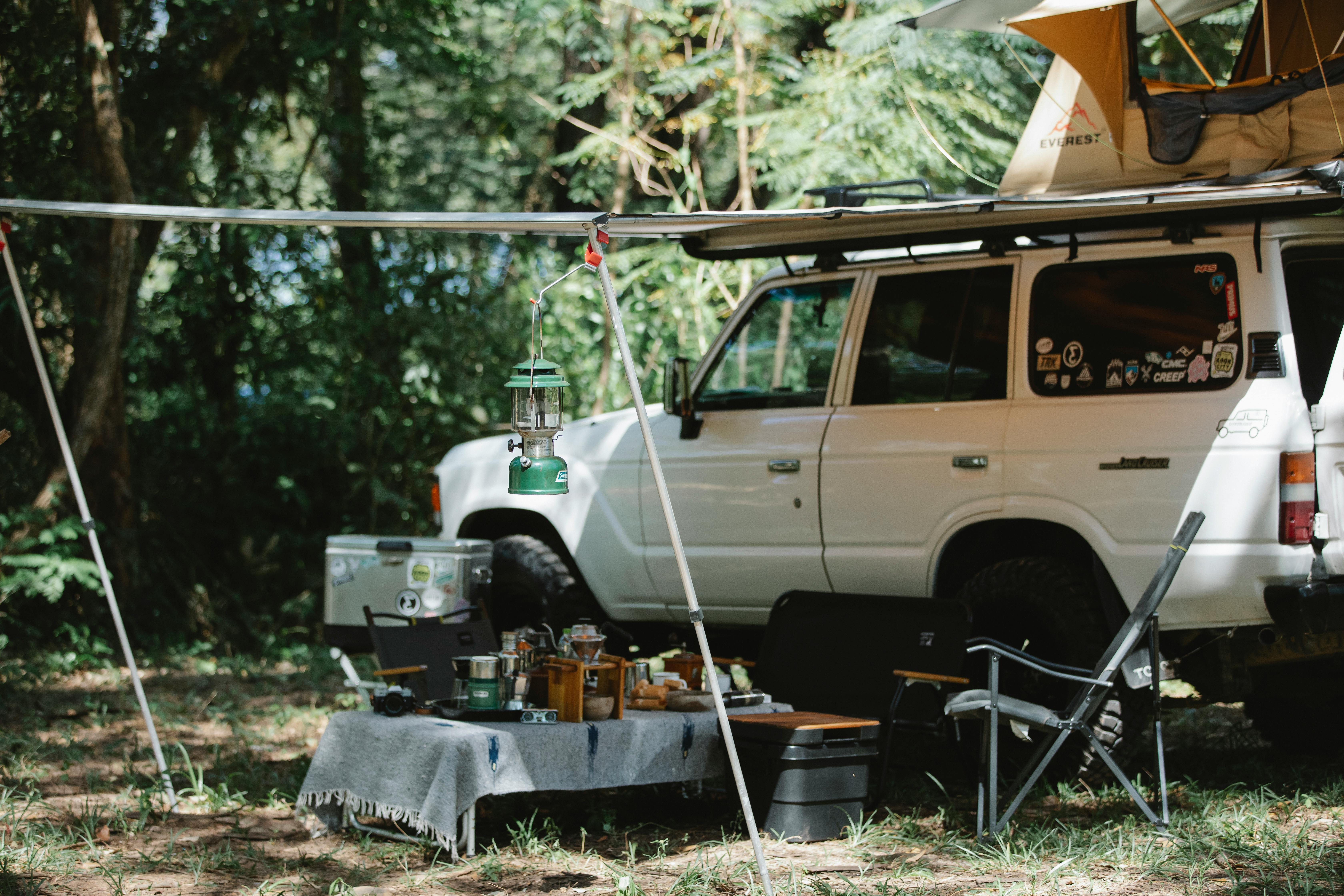
The broader significance of this trend is that it meets campers where they are: budget-conscious, time-limited and often using the vehicle they already own. Beginner camping advice from REI underscores that newcomers do not need to buy the cheapest version of everything, and in many cases should borrow or rent expensive items first. That message aligns naturally with organized setups that prioritize systems over accumulation. A traveler can improve a weekend camp dramatically with two bins and a better sleeping pad, without buying a vehicle awning or storage wall.
There is also a cultural correction underway. During recent years, social feeds often equated outdoor competence with visible gear volume. But campground rules, retail guidance and on-the-ground experience are all pointing in a quieter direction: fewer loose items, fewer redundant tools and fewer things that need managing after sunset. What looks “minimalist” is often just better edited.
That matters for public lands as well. Park systems continue to remind visitors to obey local camping rules, store food correctly, respect quiet hours and pack out waste. Great Smoky Mountains National Park, for example, highlights frontcountry camping rules that include food storage and generator use, while broader National Park Service guidance urges campers to know site-specific restrictions before arrival. A compact, organized setup makes compliance more realistic for ordinary travelers who do not want a complicated nightly routine.
The result is a style of car camping that feels less like a gear exhibition and more like a functional travel habit. It works because it is adaptable across sedans, SUVs and borrowed vehicles. It works because it can be packed by one person. And it works because the test of camp gear is not how much of it can fit in a trunk, but how little confusion it creates when the light is fading and the coffee still has to be made.
For consumers, retailers and park managers, that may be the most durable lesson of all. The ideal car camping setup is not the fullest one. It is the one that keeps essentials accessible, hazards controlled and the trip itself at the center.