Camping is still marketed as an inexpensive escape. In 2026, the math is more complicated.
Across public parks, private campgrounds and booking platforms, a simple two-night trip can still cost less than a hotel stay, but many campers are paying far more than the posted nightly rate once fuel, reservation charges, food, firewood and last-minute gear are included. The result is a widening gap between the idea of a cheap weekend outdoors and the real transaction families face at checkout.
The campsite is rarely the whole price
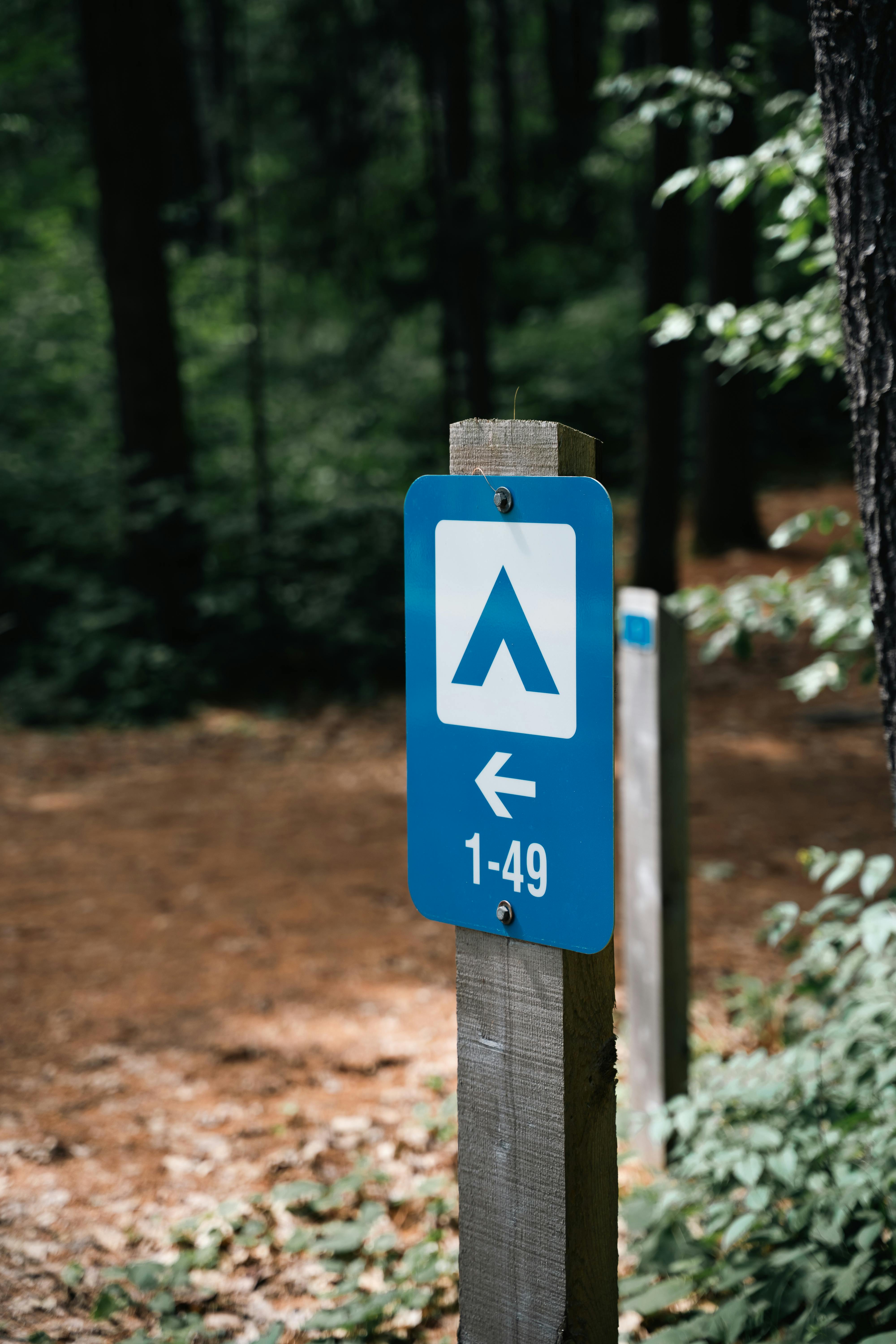
The headline price for a campsite remains relatively modest in much of the United States, especially in public campgrounds. Great Smoky Mountains National Park lists standard campground sites at $30 per night as of late April 2026, Sequoia and Kings Canyon National Parks lists standard campsites at $32, and Rocky Mountain National Park lists summer standard non-electric campsites at $35. Joshua Tree charges $25 per night at several first-come sites, while Buffalo National River charges $20 per night during the main 2026 season. Those numbers help explain why camping still holds its reputation as a budget option.
But those rates are only the starting point. In many reservation-based systems, the camper also pays booking or transaction charges that do not show up in the first mental estimate. Recreation.gov materials indicate a $10 service fee for changes or cancellations on camping reservations, and some federal park documents reference an additional per-reservation booking fee structure. State systems are often similar or more punitive. New York’s 2026 camping guide says cancellations made seven days or less before arrival can trigger a $9 cancellation fee, a $9 reservation fee and loss of the first night’s use fee.
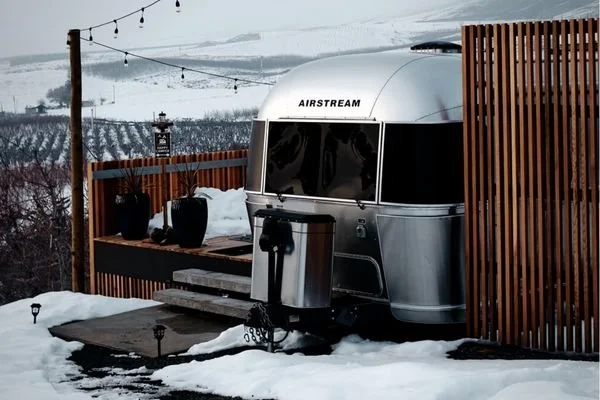
Private campgrounds widen the gap further because they price amenities, location and convenience into the nightly rate. Georgia’s Cloudland Canyon State Park, using ReserveAmerica, lists 2026 electric campsites at $38 to $44 and walk-in tent sites at $22 to $27, while yurts run far higher. On private land or glamping-oriented platforms, prices can escalate quickly, particularly on holiday weekends or near national parks, beaches and major metro areas.
That means the true lodging bill for a weekend often looks less like $25 to $35 a night and more like $70 to $140 for two nights after taxes, reservation charges and site upgrades. If a camper books late, changes dates, cancels part of a stay or chooses a popular private campground with hookups and showers, the total can rise much faster than expected. The key consumer lesson in 2026 is simple: the posted campsite rate is increasingly an entry price, not the final price.
Transportation now rivals lodging for many campers

In 2026, fuel has become one of the biggest variables in the camping budget. AAA said the national average price for a gallon of regular gasoline reached $4.558 on May 7, 2026, after two straight weekly jumps of 25 cents. For households that drive a pickup, SUV or loaded minivan to a campground, the transportation bill can now rival or exceed the campsite itself.
Consider a common weekend scenario: a round trip of 180 to 250 miles from a suburb to a state park or national forest. A vehicle averaging 22 miles per gallon over 220 miles would burn about 10 gallons of fuel. At roughly $4.56 a gallon, that is about $46 before tolls, snacks bought on the road or extra driving inside the destination area. A less efficient truck or large SUV getting 15 miles per gallon on the same trip would use nearly 15 gallons, pushing fuel costs toward $67. Longer trips to marquee parks can double that.
The consequence is that geography matters more than many campers assume. A family that chooses a prestigious destination three hours away may pay less for the site than for the drive. By contrast, a campground 45 to 75 minutes from home can dramatically lower the total weekend cost even if the nightly site fee is slightly higher. In practical terms, choosing the closer campground can be more important than shaving $5 off the campsite price.
Transportation costs also interact with campground scarcity. Popular parks often fill quickly for Friday and Saturday nights, pushing late bookers toward private campgrounds farther away or forcing them into longer drives to less crowded areas. That raises spending not only on gas but also on meals purchased en route, since longer travel days increase the odds of restaurant stops and convenience-store purchases.
For budget-conscious campers, the cheapest trip in 2026 is often the one that minimizes miles, not merely nightly rates. Analysts and retailers have long described camping as a relatively accessible form of outdoor recreation, and the Outdoor Industry Association’s 2026 Camping Report continues to present camping as a high-value entry point. Yet the 2026 fuel environment means the “cheap weekend” calculation increasingly depends on proximity. The less glamorous local park may offer the better bargain.
Gear is where first-time campers overpay most

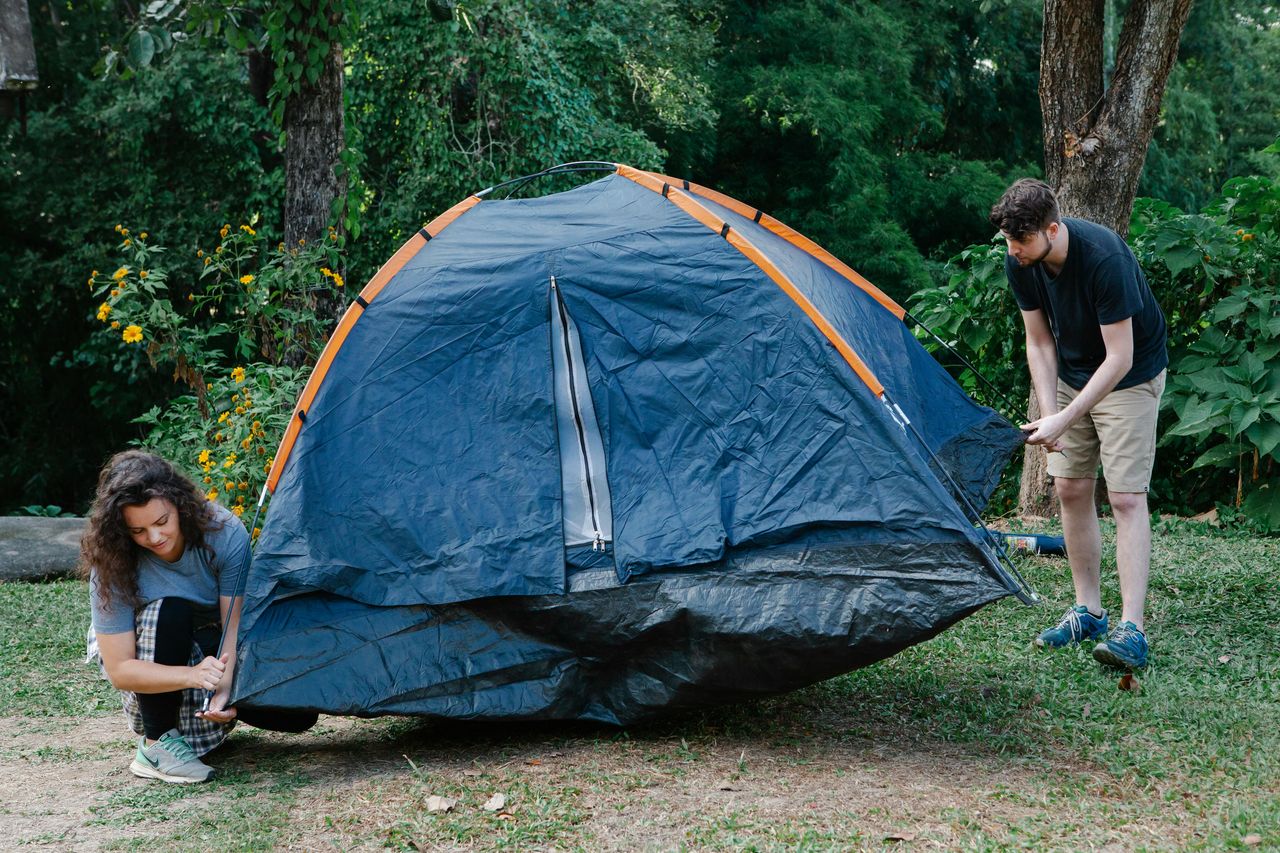
For new campers, the most expensive part of a weekend trip is often not the trip itself but the shopping trip beforehand. REI’s camping guidance in 2026 continues to stress that beginners can keep their initial investment low by borrowing or renting the priciest items, especially the tent, sleeping bag and sleeping pad. That advice reflects a basic market reality: one poorly planned retail run can turn a low-cost weekend into a several-hundred-dollar experiment.
A first-time camper buying even a modest starter setup can quickly accumulate costs. A tent, sleeping bags, sleeping pads, headlamps, camp stove, fuel, cooler, chairs, cookware and weather-appropriate layers can push spending well beyond the price of a two-night stay. Many of those items are durable goods that may pay off over repeated trips, but they distort the economics of a single weekend. Consumers who say camping was “expensive” are often describing this startup phase rather than the recurring cost of camping itself.
The overpayment problem is amplified by urgency and inexperience. Campers who shop a day or two before departure often buy bundled gadgets, duplicate kitchen items, extra lanterns, decorative accessories or overly technical gear they do not need. REI’s own checklists are intentionally comprehensive, but the retailer notes that campers are not expected to bring every listed item. In other words, a checklist is a planning tool, not a mandate to buy everything on it.
Used gear, rentals and borrowing meaningfully change the equation. A family that borrows a tent and sleeping bags, or rents them once to test whether camping suits them, can cut hundreds of dollars from the first weekend’s effective cost. That matters because camping demand has broadened beyond core enthusiasts. The Outdoor Industry Association’s 2026 report describes an expanding base of more casual campers, a group especially vulnerable to overbuying because they may be less certain how often they will go.
The most efficient approach is to separate essentials from comforts. For a standard car-camping weekend, the essentials are usually shelter, sleep insulation, basic lighting, water, food storage, weather-appropriate clothing and a simple cooking plan. Many other purchases can wait until after the first trip. Campers who defer the “nice-to-haves” usually discover that the cheapest lesson in outdoor travel is learning what they actually missed.
Food, add-ons and fees turn a cheap trip into a costly one

Once campers arrive, small purchases often do the rest of the damage. Firewood, ice, extra water, campground showers, additional vehicle fees, pet fees and forgotten supplies are all common add-ons. Some public campgrounds include basics such as a picnic table and parking space, but many do not include everything travelers assume. Seemingly minor omissions, like not packing a lighter, dish soap or breakfast ingredients, can trigger repeated store trips that inflate the total bill.
Food is another area where perception diverges from reality. Many households think camping automatically saves money because they are not eating in restaurants. That is often true, but only if meals are planned with discipline. A cooler packed with pre-made food, simple breakfasts and one-pot dinners is usually inexpensive. A cooler filled with premium meat, individual drinks, snack multipacks, disposable utensils and emergency convenience-store replacements can make a two-night trip surprisingly costly.
Booking rules matter too. In 2026, a growing share of the overpayment problem stems from non-refundable or semi-refundable fee structures. Recreation.gov documents show that cancellations can trigger a $10 service fee, and no-shows or late cancellations may also forfeit the first night’s campsite fee. State systems can be stricter. Connecticut’s ReserveAmerica materials, for example, cite fees that can include a $9 cancel fee, a $25 service fee and a non-refundable reservation fee for some cancellations. Utah State Parks warns that late cancellations can forfeit one night’s fee in addition to cancellation and reservation charges.
These policies matter because camping is unusually exposed to weather, fire restrictions and changing family schedules. A thunderstorm forecast, a sick child or a vehicle problem can convert an inexpensive weekend into sunk cost. Consumers who book multiple backup weekends or reserve premium sites “just in case” are especially likely to overpay.
The most important shift for campers is to think of a trip as a bundle of variable costs rather than a campsite plus groceries. In 2026, the add-ons are no longer incidental. They are central to the budget. Campers who track them line by line typically find that the leak is not one huge charge but ten avoidable ones.
How campers can cut costs without giving up the trip
The most effective way to stop overpaying in 2026 is not to abandon camping but to redesign how the weekend is planned. The first move is choosing the right destination tier. Public campgrounds in national parks, state parks, forests and rivers often remain the best value, while premium private campgrounds should be treated as a convenience purchase rather than the default. A $30 public site plus a modest drive often beats a $75 private site with extras the camper may not use.
The second move is booking strategically. Campers save money when they know the cancellation rules before checkout, avoid speculative reservations and pick dates they are highly likely to keep. Flexibility also pays. Midweek nights and shoulder-season weekends are often easier to book and less vulnerable to surge-style pricing or premium inventory. Even when the listed rate is unchanged, avoiding date changes and forfeited fees preserves real savings.
Third, beginners should test camping before equipping for it. Borrowing or renting a tent, sleeping bags and pads turns the first trip into a low-risk trial. After that, buying used or slowly building a kit is often cheaper than one all-at-once purchase. Retail advice from REI consistently points beginners toward minimizing the upfront burden, and that remains one of the soundest anti-overpayment strategies in the market.
Finally, cost control depends on routine, not sacrifice. Campers who plan meals, pack essentials the night before, bring refillable water, buy firewood only where permitted and choose parks within a shorter driving radius usually preserve the core appeal of the trip while keeping the budget intact. In 2026, a realistic range for a two-night camping weekend for two people can still fall near $120 to $250 all-in if gear is already owned and the destination is relatively close. For first-time campers shopping from scratch or driving long distances, the same weekend can easily exceed $400. The difference is not camping itself. It is how the purchase is structured.