The demand for outdoor travel has reached record levels in 2026, leading many major parks to implement real-time traffic management systems. According to National Park Service data, the vast majority of congestion occurs within a very small radius of the primary visitor centers. This article provides a strategic guide for navigating these busy landscapes while avoiding the seasonal “mobs” that can ruin a wilderness experience. We analyze the technical benefits of off-peak entry and the use of secondary access points that remain underutilized by the general public. By following these five evidence-based rules, you can ensure that your next national park visit feels like a true escape rather than a crowded commute.
Embrace the “Alpine Start”
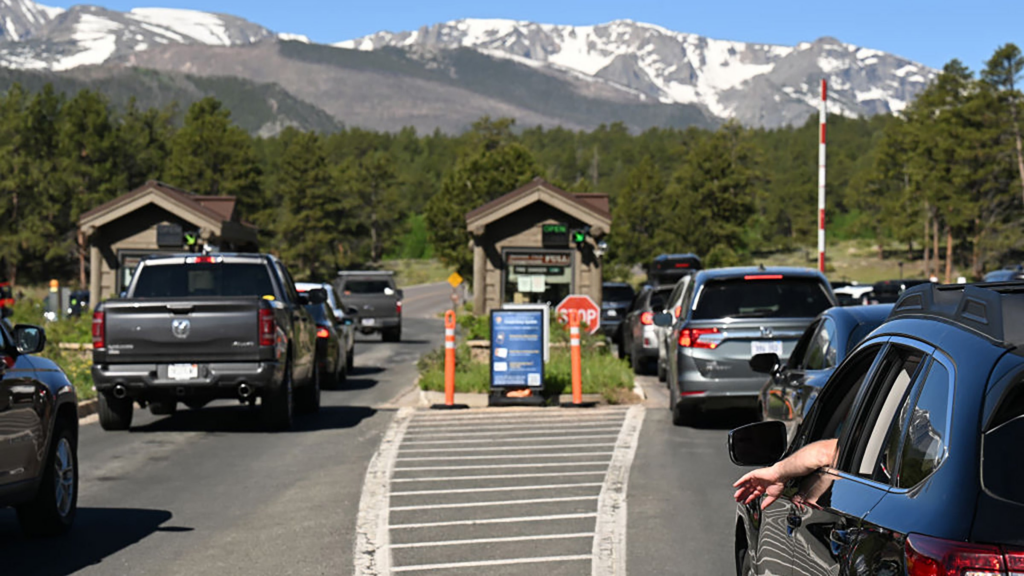
Arriving at the park gates before dawn is the most effective way to guarantee entry and secure a parking spot at high-demand trailheads. In 2026, parks like Arches often see their parking lots fill by 7:30 AM, leading to temporary entry delays that can last up to five hours. Aim to be through the gates by 6:00 AM to witness the “golden hour” for photography and spot wildlife that usually retreats once the crowds arrive. This early commitment allows you to finish your primary hike before the peak heat and the arrival of large tour groups.
Utilize “Secret” Backdoor Entrances
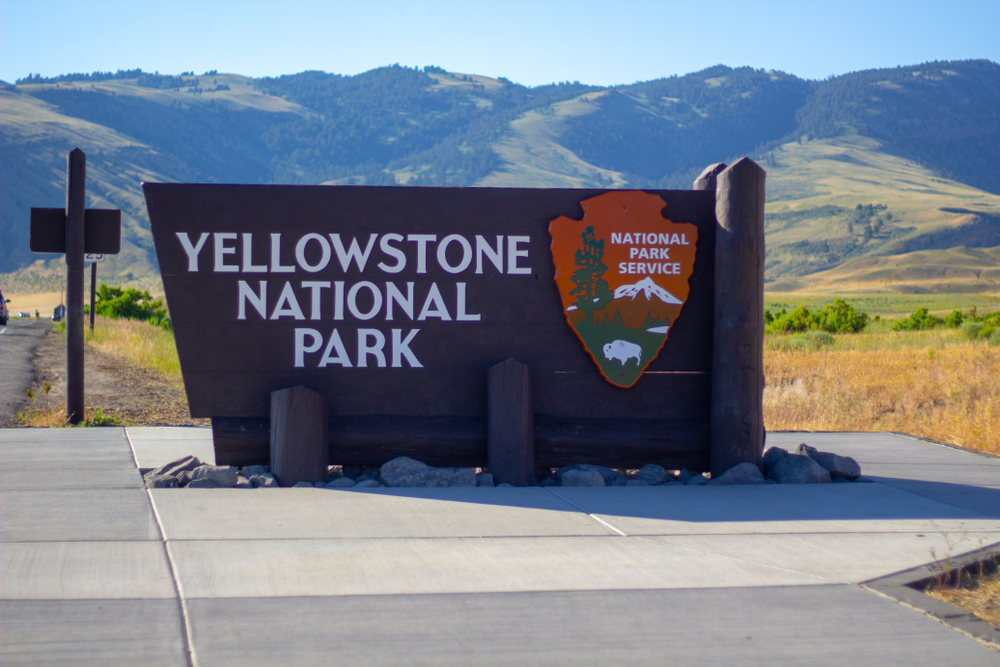
Most visitors flock to the main entrance closest to the nearest major city, but many parks have secondary gates that are significantly less congested. For example, skipping the busy West Entrance of Yellowstone for the Northeast Gate near Cooke City offers a much more relaxed arrival experience. In Yosemite, the Hetch Hetchy entrance provides access to stunning reservoirs and waterfalls with a fraction of the traffic found in the main valley. Checking recent satellite traffic data can help you identify which secondary roads are currently seeing the lowest volume of seasonal visitors.
Shift to Late-Afternoon Exploration
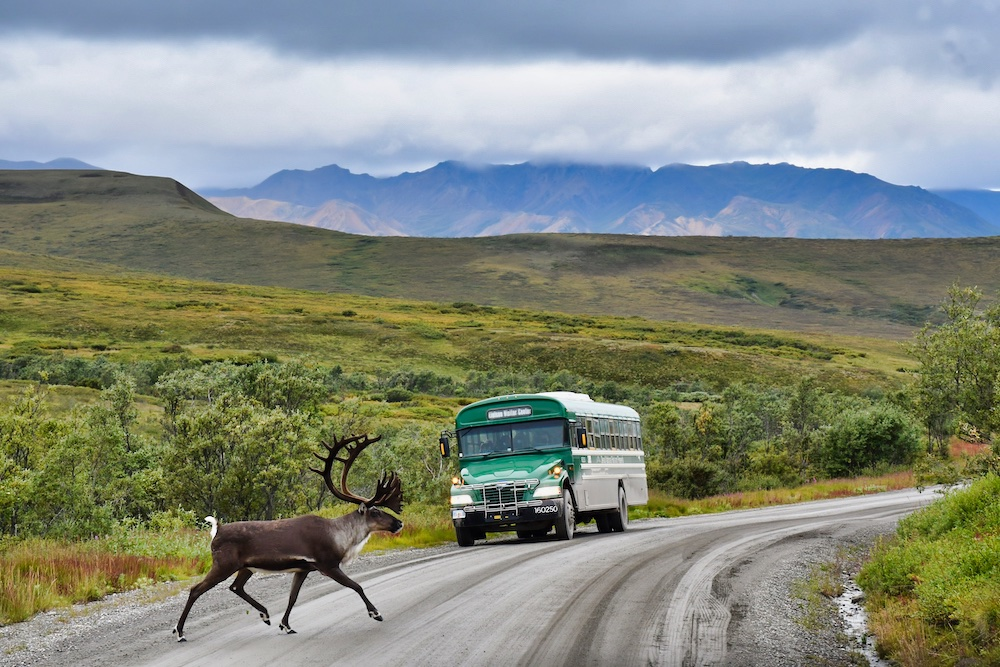
While the majority of tourists arrive between 9:00 AM and 11:00 AM, a significant exodus occurs after 4:00 PM as families head back for dinner. Entering the park in the late afternoon allows you to enjoy the trails as the heat breaks and the professional tour buses depart the area. Since many parks are International Dark Sky Parks, staying late also offers a spectacular stargazing “show” that most daytime tourists miss entirely. This “reverse schedule” often provides the best lighting for landscape photography and a significantly quieter atmosphere at popular overlooks.
Venture Beyond the Pavement
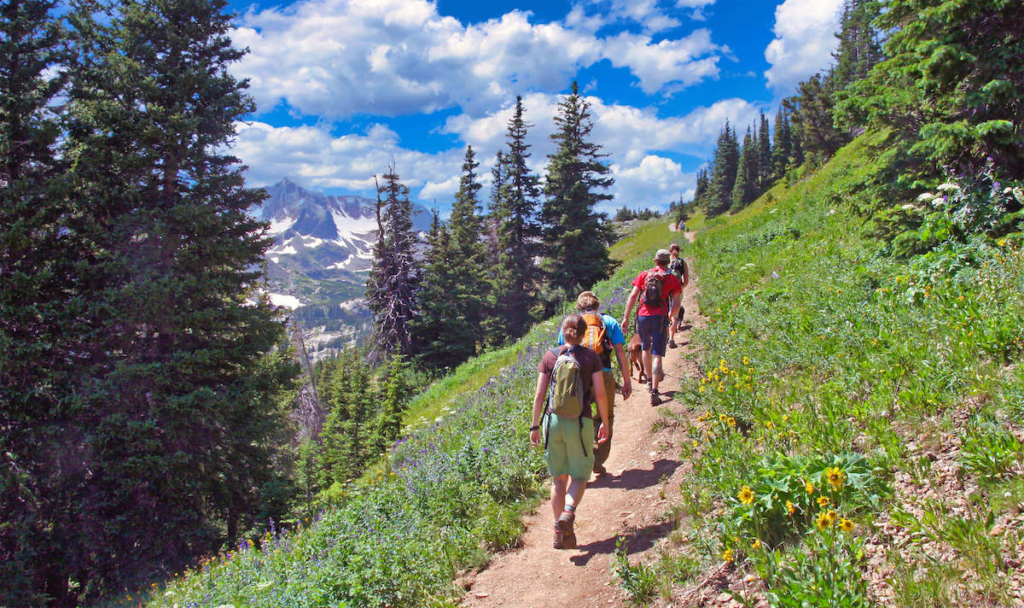
The “half-mile rule” is a hiker’s best friend, as nearly 97% of visitors never venture more than a short walk from their cars or paved overlooks. Choosing trails rated as “moderate” or “strenuous” naturally filters out casual day-trippers and leads you to the true heart of the wilderness. In Yellowstone, the Fairy Falls Trail offers a breathtaking view of Grand Prismatic Spring from above, completely avoiding the congested boardwalks below. Modern GPS mapping tools can help you identify less-trafficked connector trails that offer similar views without the shoulder-to-shoulder foot traffic.
Travel Mid-Week or in the “Shoulder” Season
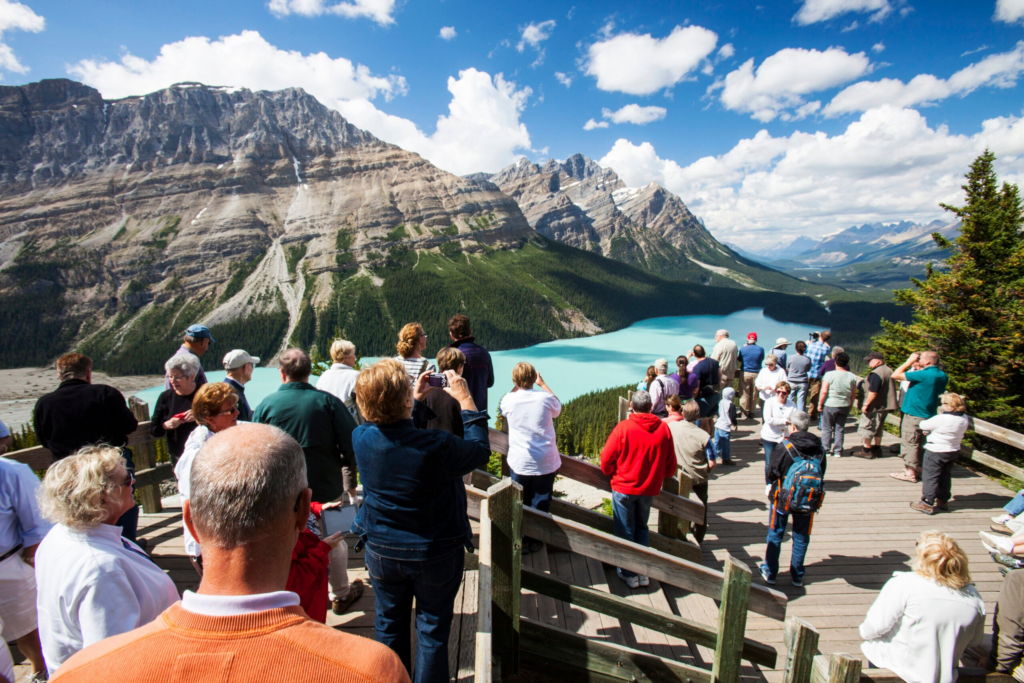
If your schedule allows, avoid holiday weekends and the core summer months of July and August when national park visitation reaches its absolute peak. In 2026, “shoulder seasons” specifically May, June, and September offer a perfect balance of accessible roads and significantly lower visitation numbers. Traveling on a Tuesday or Wednesday typically sees the lowest volume of day-trippers, ensuring a much more peaceful and intimate connection with nature. This strategic timing also often results in lower accommodation costs and easier access to high-demand backcountry camping permits.