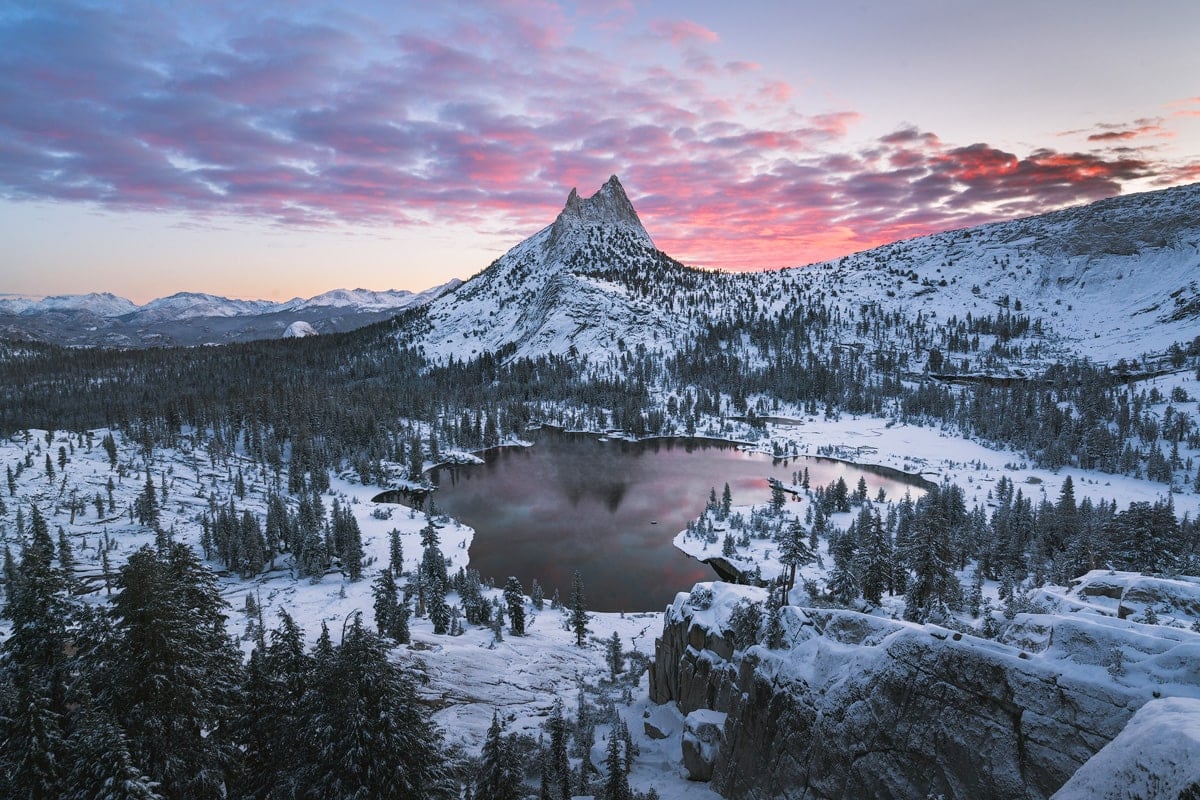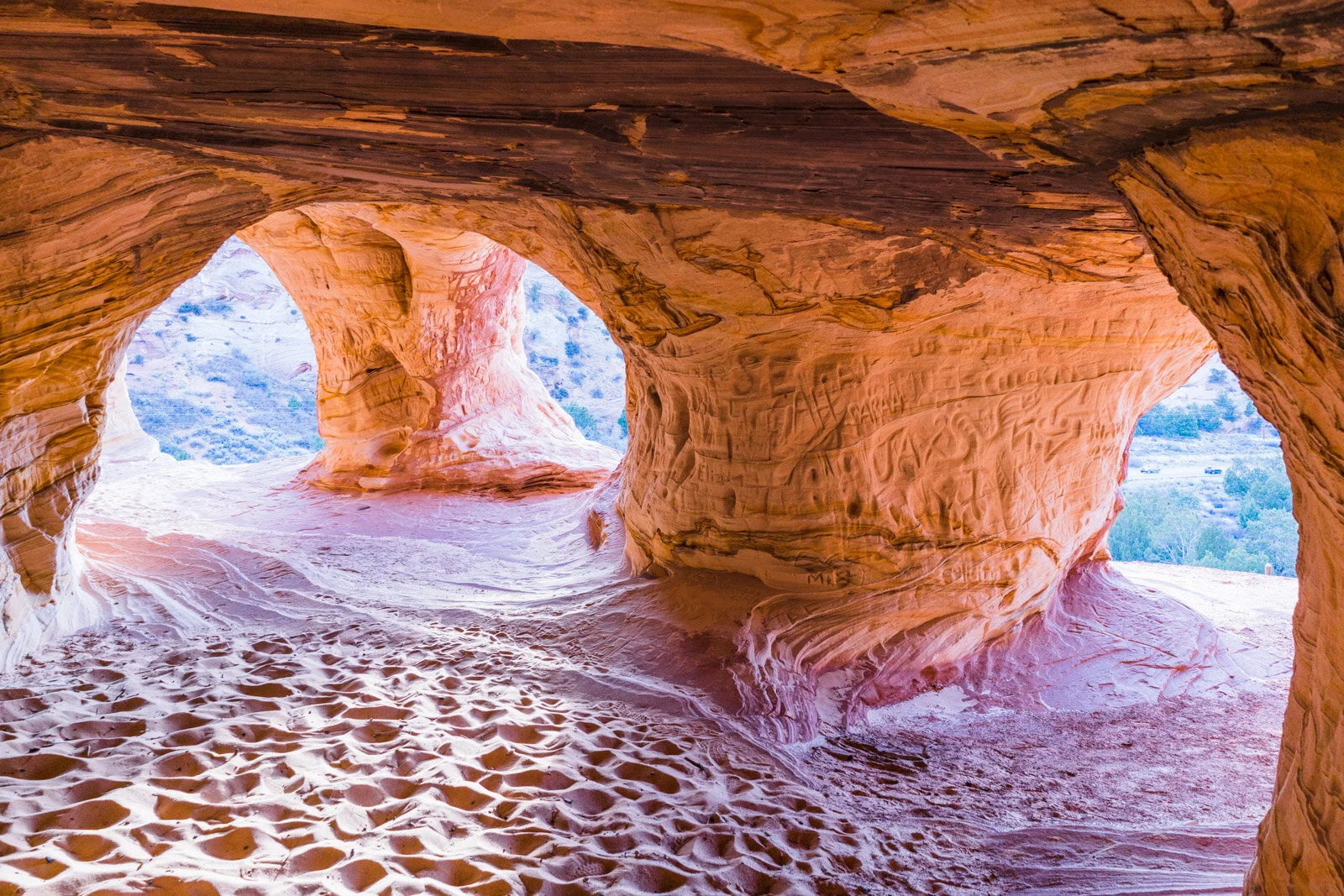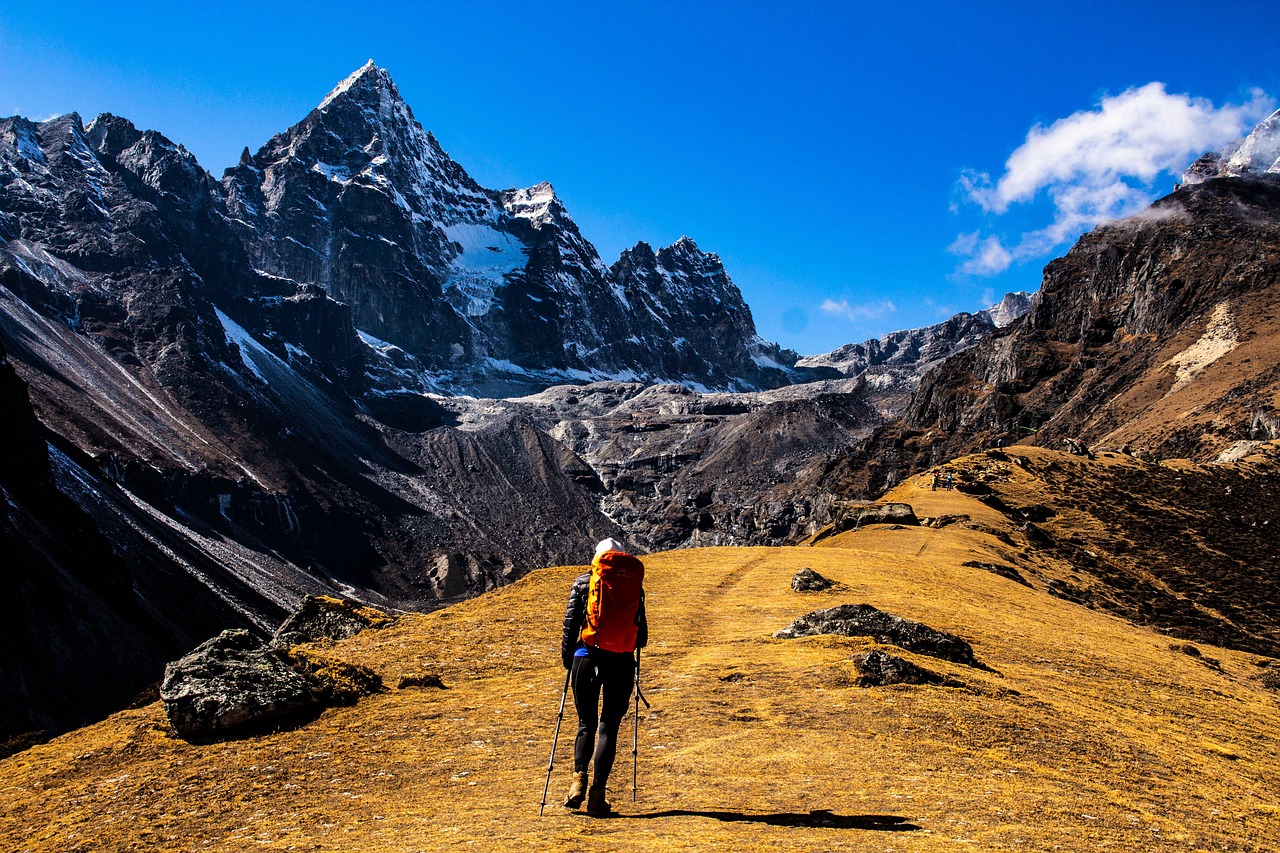
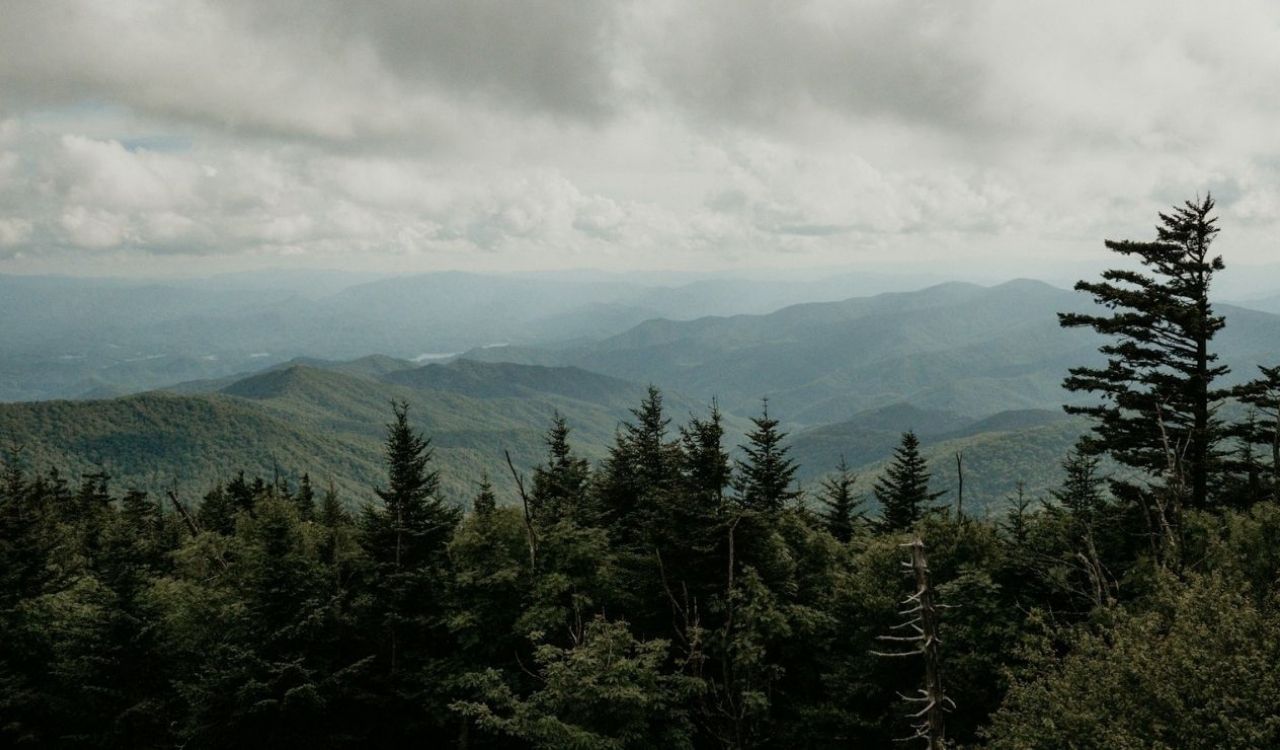
National park trips can get expensive fast, especially when entrance fees, long drives, and peak-season lodging pile up. Still, several official U.S. National Parks charge no entrance fee, so the baseline cost can stay near zero. These parks let visitors hike, sightsee, and use visitor centers without paying at a gate. Spending then depends mostly on fuel, food, and optional extras, not mandatory tickets. That makes them strong picks for budget road trips, student breaks, or family weekends.
1. Great Smoky Mountains National Park
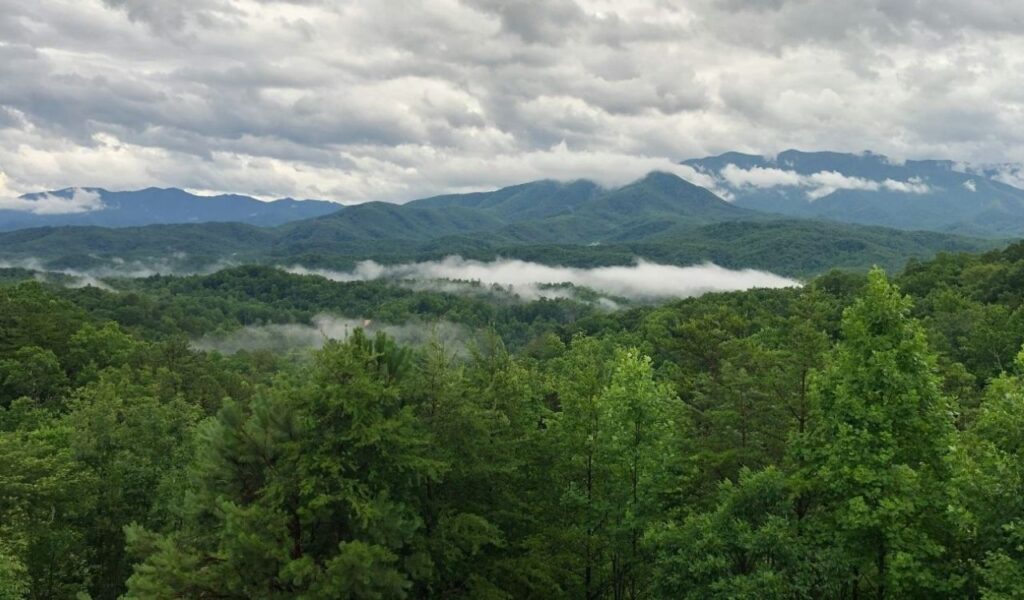
Great Smoky Mountains National Park has no entrance fee, which is rare for a top-visited park. Budget travelers can plan around free classics like the Cades Cove loop road, Newfound Gap Road pullouts, and waterfall hikes such as Laurel Falls and Grotto Falls. The required cost is the parking tag for any vehicle parked longer than 15 minutes, and it is treated as a parking fee rather than a gate charge. Visitor centers, picnic areas, and most trail access remain free, while camping and guided activities are optional add-ons. Pack meals to avoid tourist-town markups in Gatlinburg and Cherokee, and arrive early to skip paid overflow lots.
2. Congaree National Park
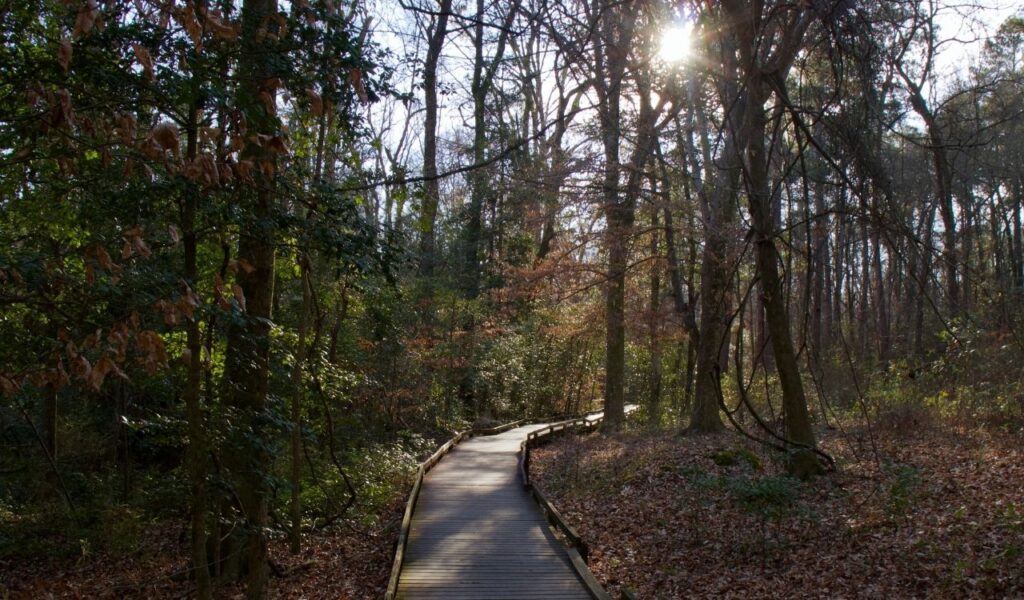
Congaree National Park charges no entrance fee, so a visit can cost little more than fuel and food you bring along. Near Columbia, South Carolina, the boardwalk loop offers a free, accessible path through old-growth bottomland hardwood forest, with chances to see barred owls, turtles, and other wildlife. Several short trails extend the day at no cost, and ranger programs are often available without a ticket. Warm, humid months can mean heavy mosquitoes, so packing repellent and plenty of water keeps spending from creeping up. During late-spring firefly demand, early arrival helps secure parking.
3. Cuyahoga Valley National Park
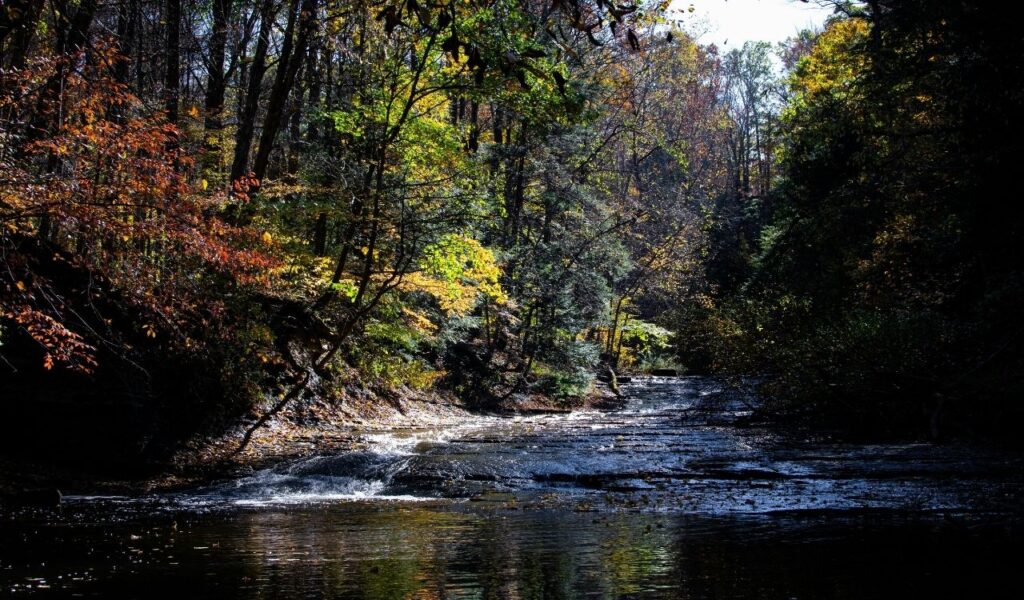
Cuyahoga Valley National Park is free to enter, which makes it one of the easiest parks for a low-cost day trip. Set between Cleveland and Akron, it reduces long-distance travel costs for many Midwest visitors. You can hike to Brandywine Falls, walk the Ledges Trail, and bike the Towpath Trail without paying a gate fee, and visitor centers can be used without admission. Most highlights sit within short drives of each other, so fuel use stays modest compared with sprawling western parks. The Cuyahoga Valley Scenic Railroad is a paid extra, but the main scenery and trails remain free in every season, including fall color.
4. Mammoth Cave National Park
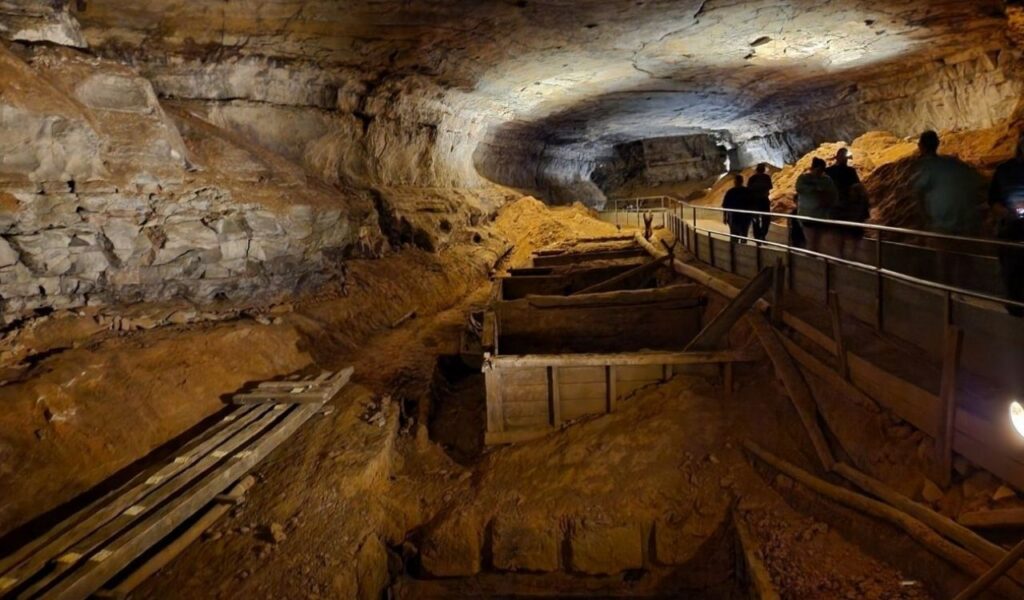
Mammoth Cave National Park does not charge an entrance fee, so the surface portion of the park can be visited on a near-zero budget. Wooded trails, river overlooks along the Green River, and picnic areas are available without a gate charge, and you can spend hours outdoors without buying anything. Cave tours require timed tickets and are typically booked in advance, but they are optional if the goal is a cheap trip. To control costs, choose one short tour at most, then fill the rest of the day with free hikes and the visitor center exhibits. Visiting in spring or late fall can mean lighter crowds and less pressure to pay for upgrades.
5. Gateway Arch National Park
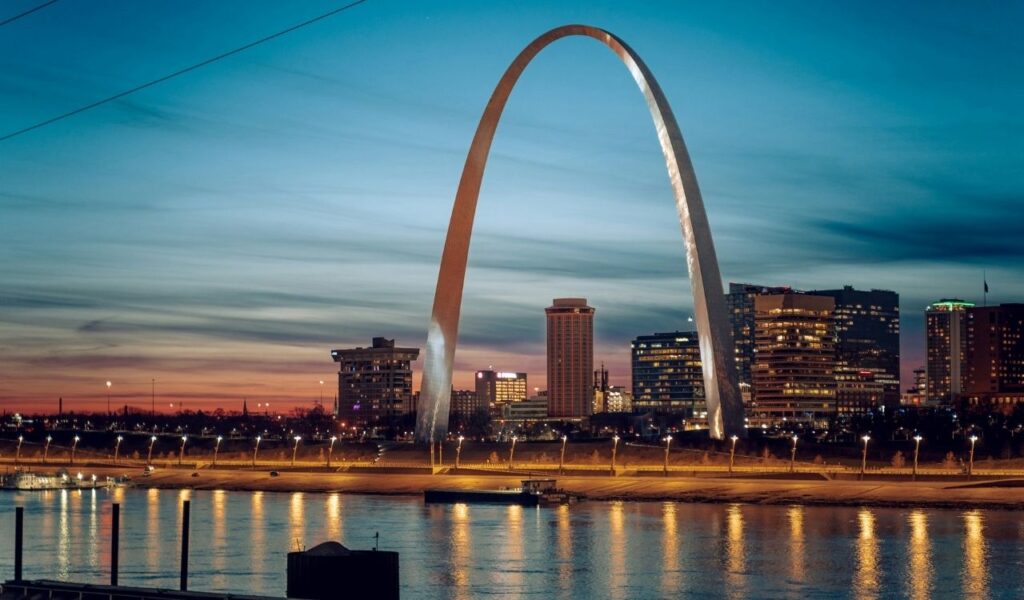
Gateway Arch National Park keeps required costs low because it has no entrance fee for the grounds or the museum. In St. Louis, travelers can reach it by car, MetroLink, or on foot from nearby hotels, which can reduce transportation spending. The Museum at the Gateway Arch is free to enter and can fill a full afternoon with exhibits on westward expansion and the Mississippi River corridor. Tickets are only needed for the tram ride to the top, so visitors can skip that add-on and still enjoy the riverfront paths and views. Winter and early spring also bring lighter crowds, which helps avoid paid parking detours.
6. North Cascades National Park
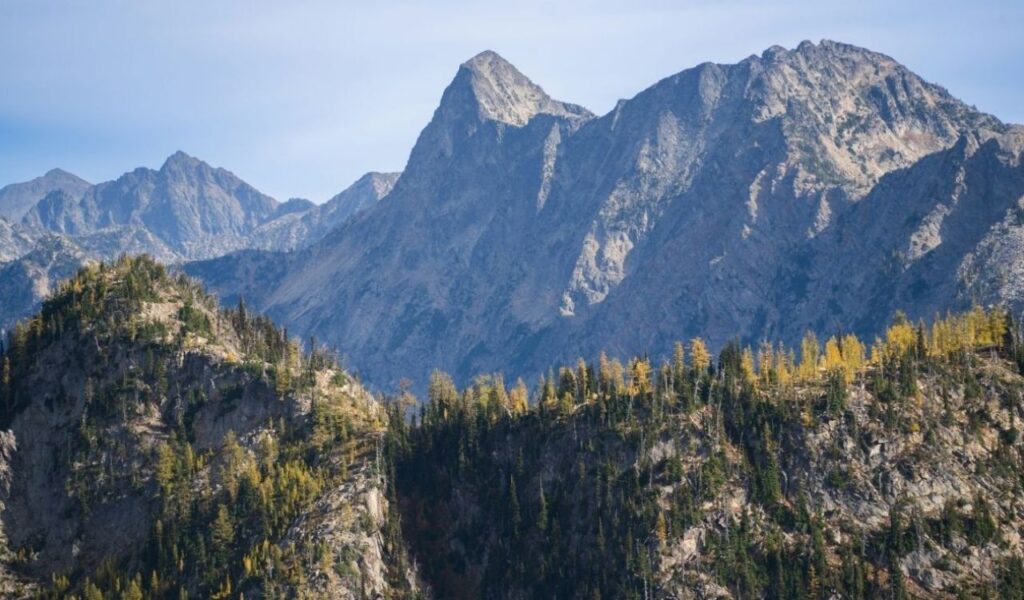
North Cascades National Park does not charge an entrance fee, so the main costs are travel and gear, not admission. Many visitors focus on the North Cascades Highway corridor and viewpoints near Diablo Lake, which deliver big scenery without paid attractions. Day hikes from roadside trailheads can be done for free, and picnic stops keep food spending predictable. Because services are limited near the park, buying groceries and filling the gas tank before entering helps avoid high convenience-store prices. Plan around snow and shoulder-season closures, since some trail access is seasonal and can affect itinerary efficiency.
7. Voyageurs National Park
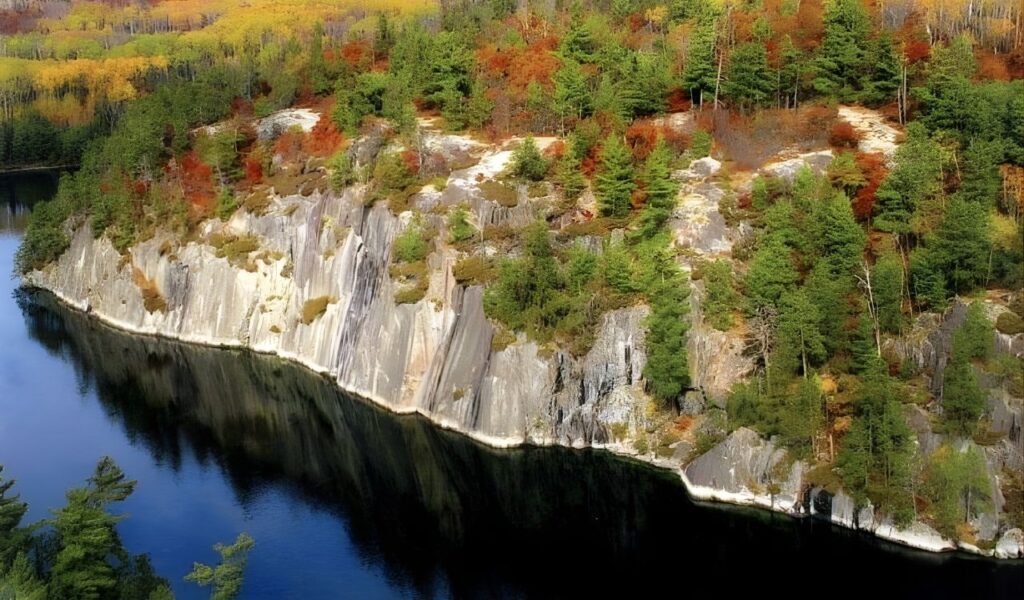
Voyageurs National Park has no entrance fee, so visitors are not charged just to enter the park or stop at visitor centers. The budget question is transportation on the water: rentals and tours cost extra, but bringing your own canoe or kayak can keep the trip affordable. Even without paid excursions, you can use shoreline areas, short trails near access points, and ranger information to build a low-cost day. Camping fees apply if you stay overnight, but a daytime visit can be done with packed food and basic gear. Clear nights can also reward visitors with excellent stargazing, which costs nothing.