Winter in the U.S. National Parks offers a rare opportunity to experience some of the world’s most famous natural landmarks in total silence. According to 2026 National Park Service reports, winter visitation is increasing as travelers seek to avoid the heat and congestion of the summer months. This article explores seven parks that undergo a dramatic transformation during the snowy season, from the steam-filled basins of Yellowstone to the white-capped hoodoos of Bryce Canyon. We analyzed recent 2026 accessibility data, including the new $100 international surcharge and updated snowcoach schedules, to help you plan a safe and spectacular winter escape. These destinations provide a factual blueprint for those looking to swap the hiking boots for snowshoes and witness the raw power of the American winter.
Yellowstone National Park (Wyoming, Montana, Idaho)
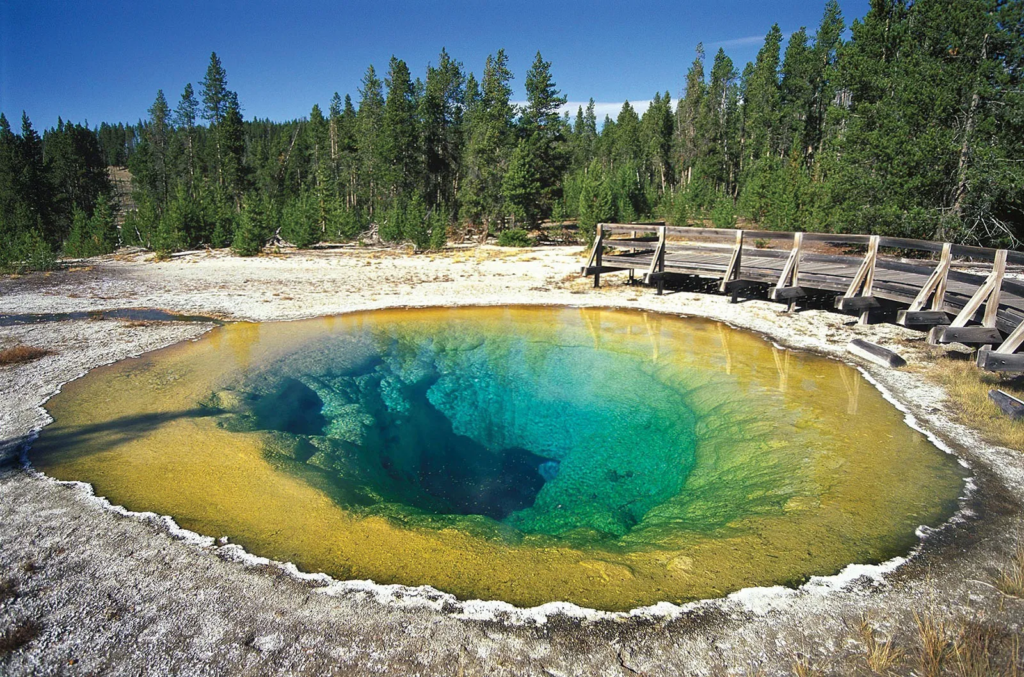
Yellowstone is the undisputed king of winter wonderlands, where freezing temperatures create a “ghostly” landscape of frosted trees known as rime ice. According to 2026 winter guidelines, most of the park’s interior roads are closed to private vehicles, requiring visitors to travel by commercial snowcoach or snowmobile. This over-snow travel provides a unique perspective of the Old Faithful geyser basin, where the steam plumes appear much more dramatic against the cold, crisp air. In 2026, the Mammoth Hot Springs Hotel remains the primary hub for winter operations, offering guided cross-country skiing and wildlife safaris. It is a premier location for spotting bison and wolves, whose dark silhouettes stand out sharply against the deep, white snowpack of the Lamar Valley.
Bryce Canyon National Park (Utah)
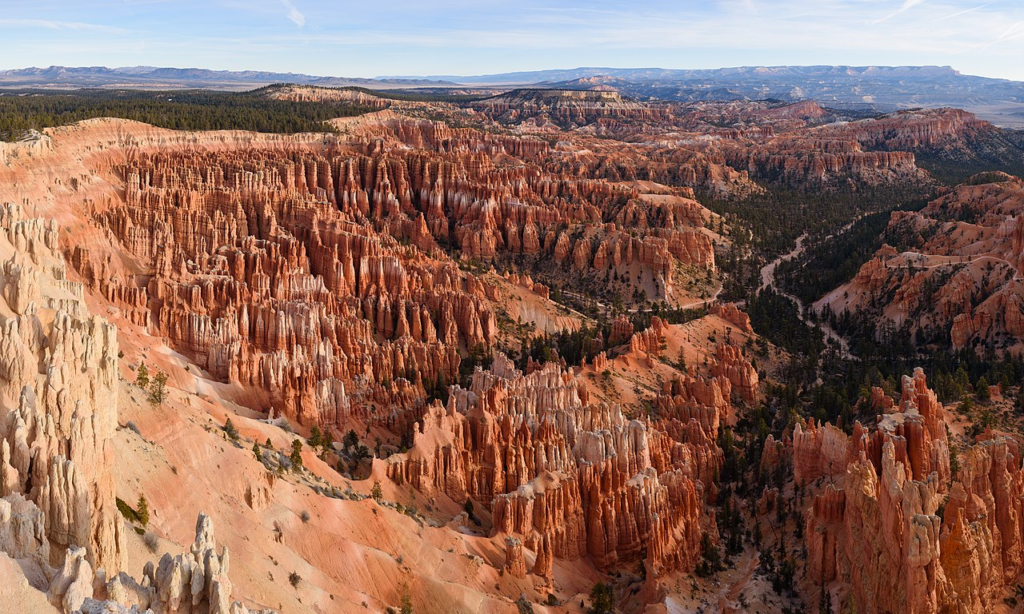
Bryce Canyon offers perhaps the most visually striking winter contrast in the world, as brilliant white snow settles on the bright orange “hoodoo” rock spires. According to 2026 park data, winter is the best time for photography due to the increased air clarity and the dramatic shadows cast by the low winter sun. The park hosts the annual Bryce Canyon Winter Festival in February, featuring cross-country ski clinics, snowshoe tours, and photography workshops. While some higher-elevation trails like the Wall Street section of the Navajo Loop close for safety, many of the rim overlooks remain easily accessible by car. The sight of thousands of orange pillars draped in fresh snow provides a cathedral-like atmosphere that is significantly quieter than the busy summer months.
Yosemite National Park (California)
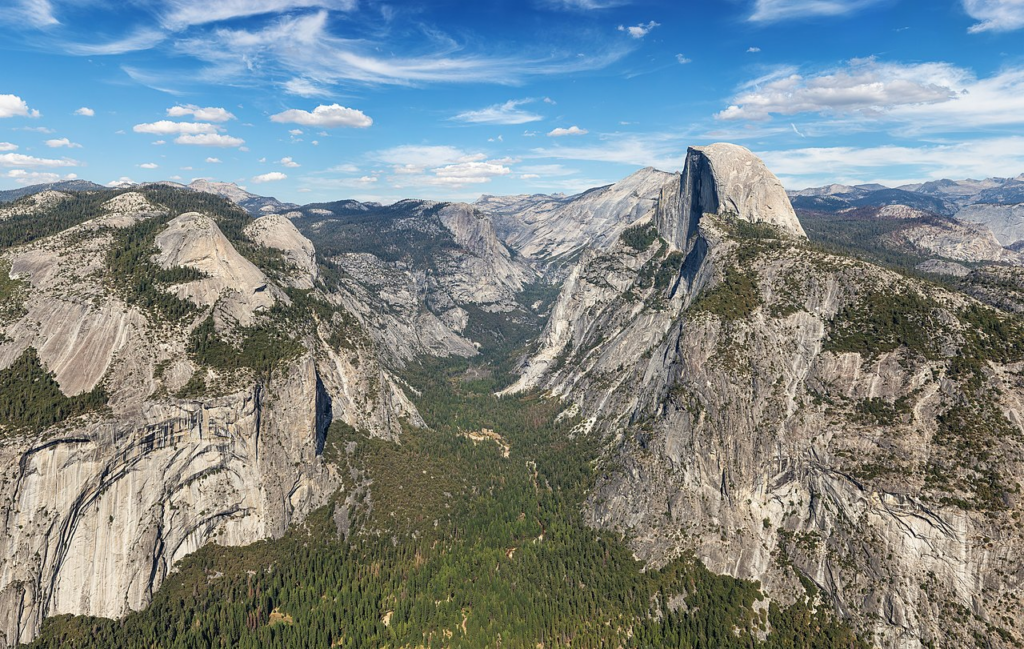
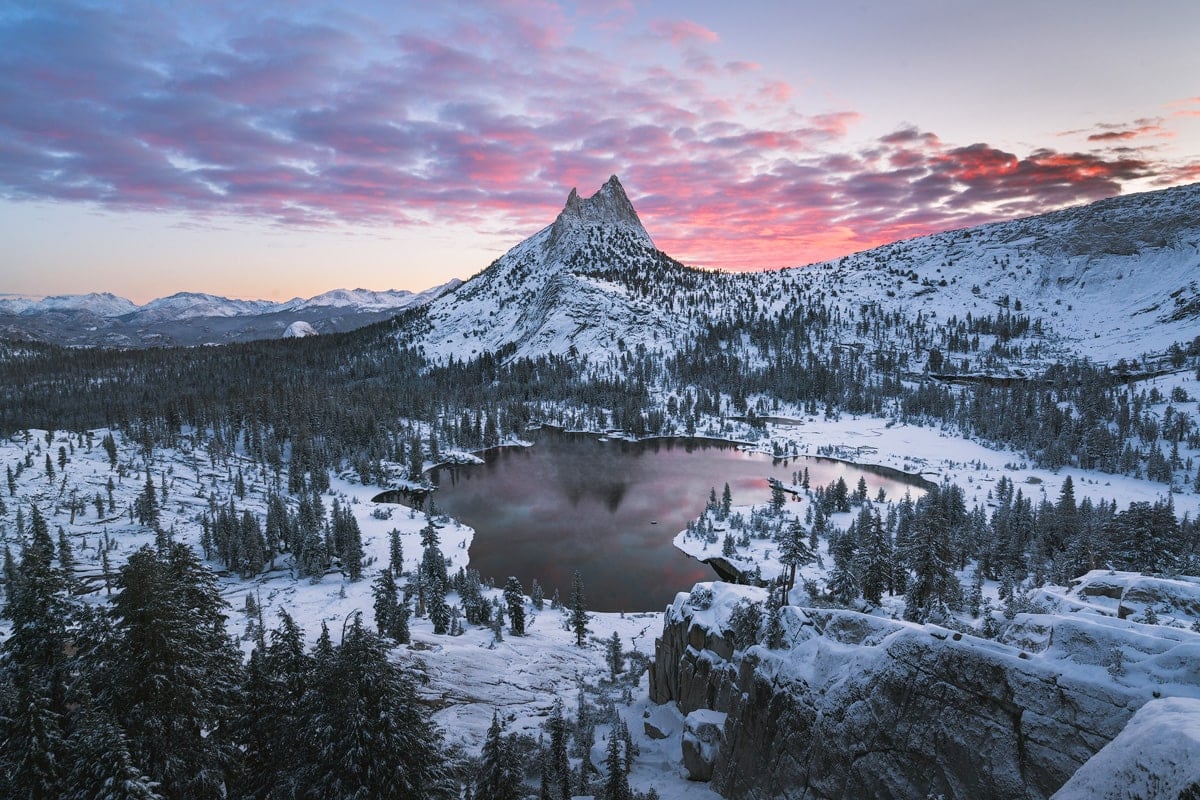
Yosemite Valley in winter is a place of quiet majesty, with famous granite monoliths like El Capitan and Half Dome often dusted in snow and framed by icy waterfalls. According to 2026 visitor reports, the Badger Pass Ski Area remains the oldest downhill ski destination in California, offering a family-friendly atmosphere for skiing and tubing. A highlight of the season is the “Firefall” phenomenon at Horsetail Fall in late February, though 2026 weather patterns have made clear sightings particularly rare this year. Most of the valley floor remains accessible, but tire chains are often legally required on all vehicles regardless of four-wheel-drive capability. The absence of the summer crowds allows for a more intimate experience with the park’s massive sequoia groves and frozen meadows.
Grand Teton National Park (Wyoming)
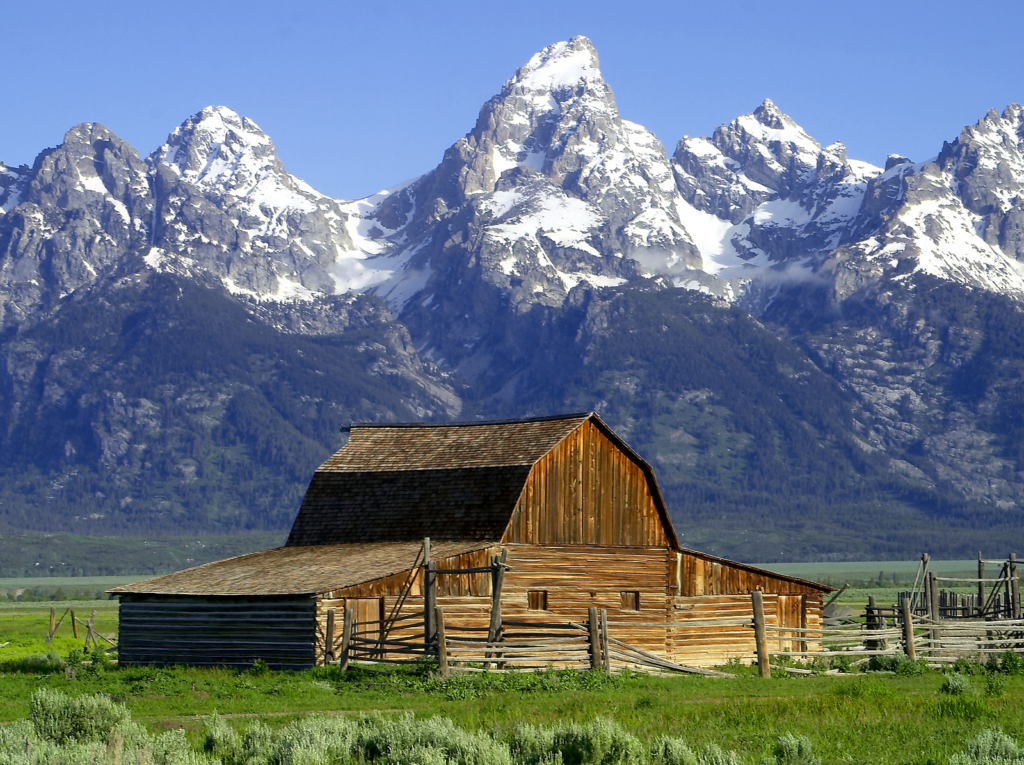
Grand Teton National Park provides a rugged, high-alpine winter experience where the jagged mountain range is completely blanketed in deep Arctic snow. According to 2026 seasonal regulations, the main Teton Park Road is closed to motorized vehicles and groomed specifically for cross-country skiing and snowshoeing. This allows visitors to glide along the base of the mountains in total silence, with frequent sightings of moose and elk in the willow flats. Ranger-led snowshoe hikes are offered several times a week, providing a safe and educational introduction to the park’s winter ecology and snow science. The nearby town of Jackson serves as a luxury basecamp, where travelers can take horse-drawn sleigh rides through the National Elk Refuge to see thousands of wintering elk.
Mount Rainier National Park (Washington)
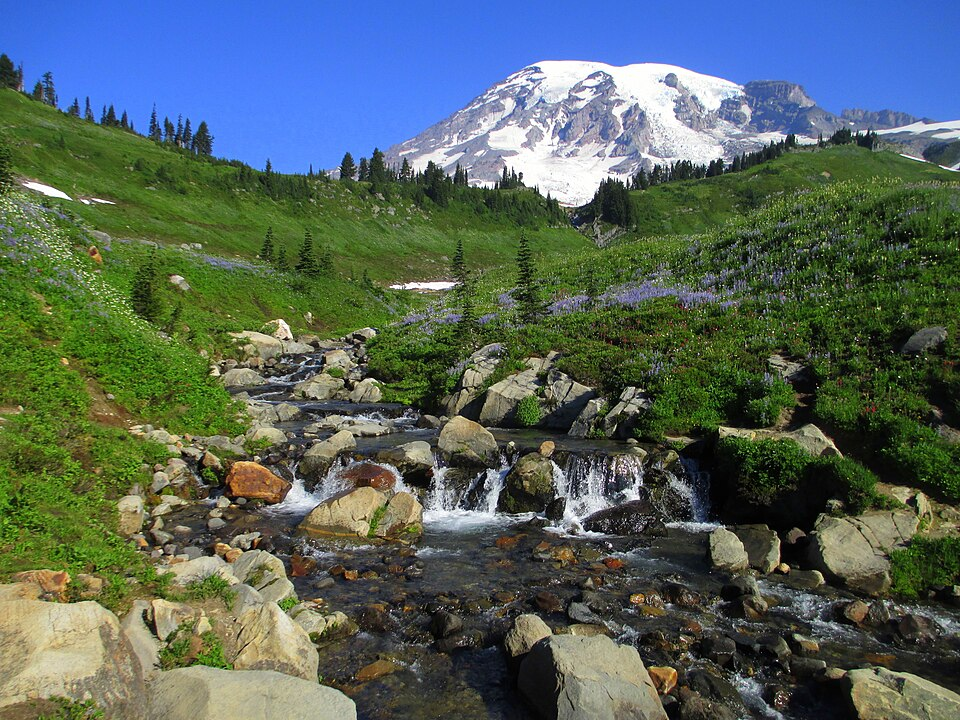
Mount Rainier is famous for having some of the highest recorded snowfall totals in the world, often exceeding 50 feet in a single season at the Paradise area. In 2026, the park has updated its winter access schedule, typically opening the road to Paradise on a Thursday-through-Monday basis to manage snow removal budgets. The Henry M. Jackson Memorial Visitor Center serves as the starting point for guided snowshoe walks and a popular “snow play” area for sledding and tubing. According to meteorological data, the massive glaciers on the mountain become even more imposing when covered in fresh winter powder, creating a high-altitude wilderness experience just two hours from Seattle. Visitors must carry tire chains and be prepared for rapid changes in visibility and mountain weather.
Rocky Mountain National Park (Colorado)
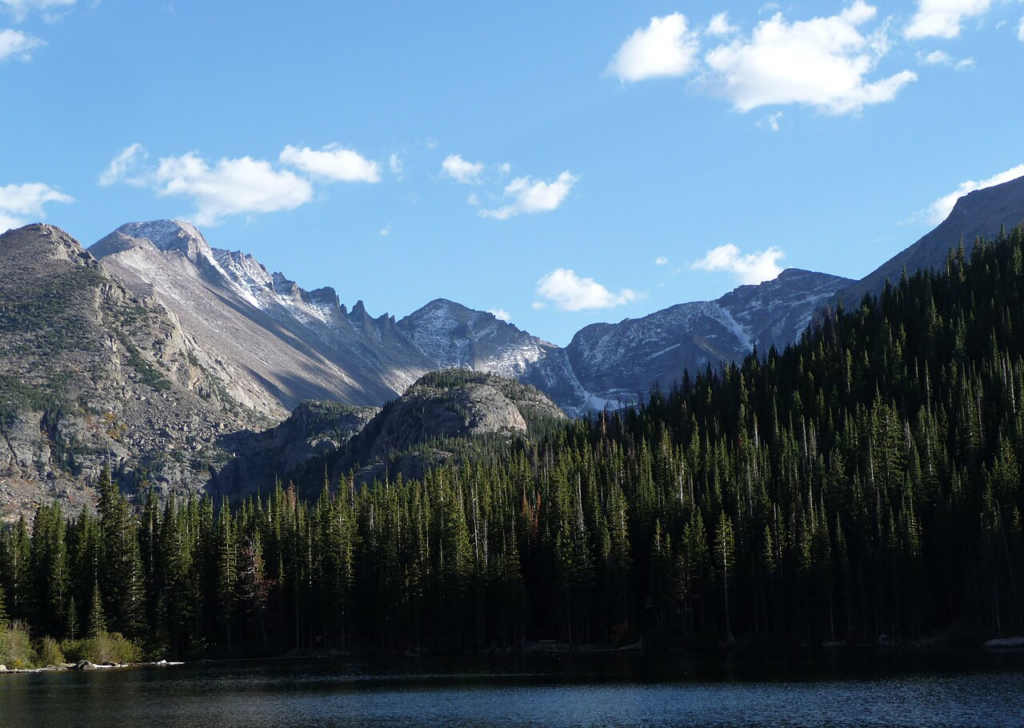
Rocky Mountain National Park transforms into a high-elevation playground for winter hikers and backcountry skiers, with many trails remaining accessible year-round. In 2026, the park will suspend its “timed entry” system for the winter months, allowing for more spontaneous weekend trips for those staying in nearby Estes Park. According to recent trail reports, popular destinations like Dream Lake and Emerald Lake are often frozen solid, allowing hikers to walk directly across the ice beneath towering granite peaks. For those seeking solitude, the west side of the park at the Kawuneeche Valley offers a much quieter experience with abundant opportunities for spotting moose in the snow. Travelers should be equipped with “micro-spikes” or traction devices, as the lower-elevation trails can become extremely icy and slick.
Olympic National Park (Washington)
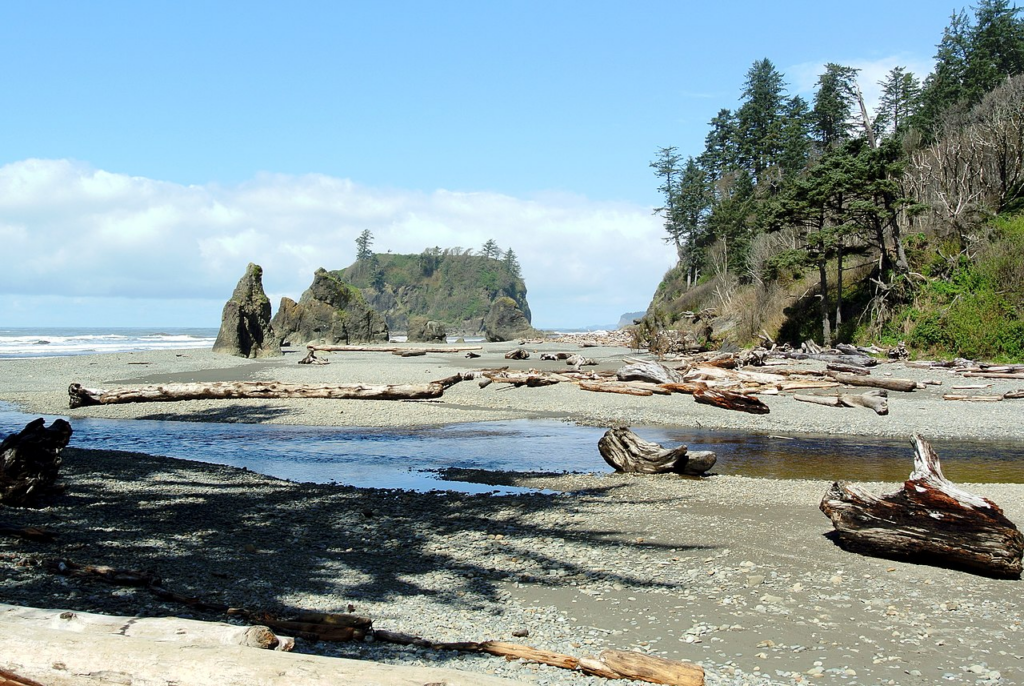
Olympic National Park offers a rare “triple-threat” winter experience where you can visit snowy mountains, temperate rainforests, and rugged coastlines in the same day. The Hurricane Ridge area is the park’s winter centerpiece, offering a small ski hill and expansive ridges for snowshoeing with views across the Strait of Juan de Fuca. According to 2026 park infrastructure updates, the ridge is generally accessible on weekends, provided the steep mountain road can be safely cleared of heavy Pacific snow. Meanwhile, the lower-elevation Hoh Rainforest remains green and lush, receiving the majority of its legendary rainfall during the winter months. This diversity allows visitors to experience the “magic of the mist” in the forest before heading up to the bright, sub-alpine snowfields for a sunset view.