
As travel surges in 2026, the National Park Service has implemented several new policies that every traveler must know before hitting the road. According to recent 2026 visitor guides, major parks like Glacier have discontinued their vehicle reservation systems, while others like Yellowstone and Zion have introduced new fee structures for non-U.S. residents. Planning a trip now requires more than just a map; it requires navigating a complex landscape of timed entries, shuttle tickets, and seasonal permits. This article identifies the seven most beautiful locations inside the parks that are worth the extra effort. We analyzed current accessibility data and environmental conditions to provide a factual, up-to-date look at these bucket-list destinations.
Grand Prismatic Spring (Yellowstone National Park)
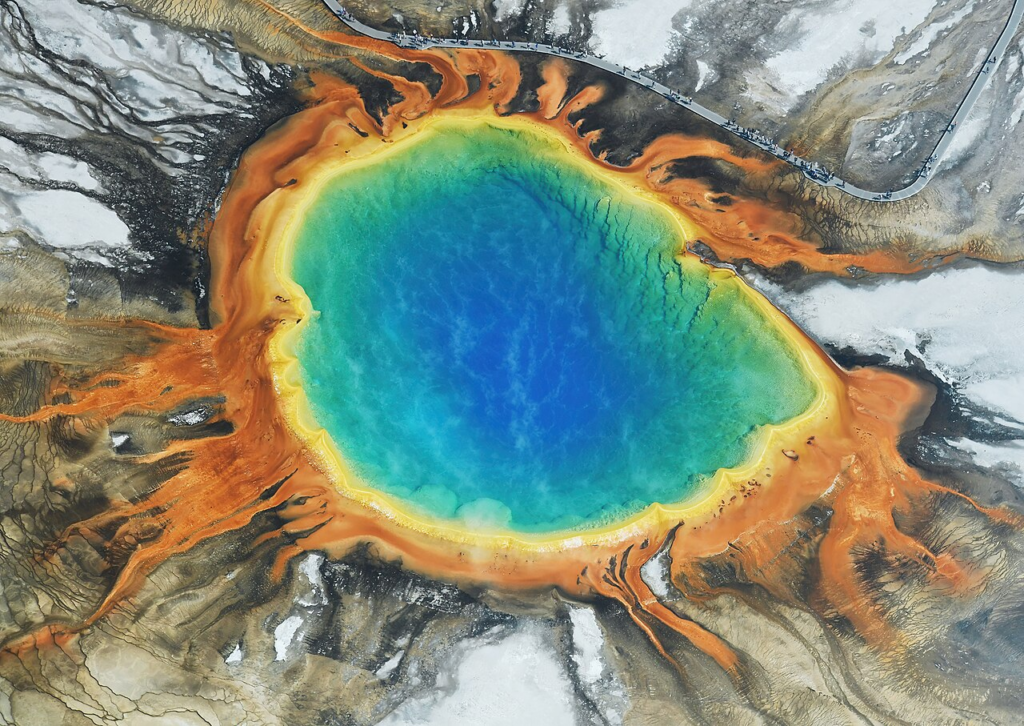
Grand Prismatic Spring is the largest hot spring in the United States and is world-renowned for its vibrant, rainbow-colored rings caused by pigmented bacteria. According to 2026 geological monitoring, the spring remains as stable and brilliant as ever, though the park has added new signage to manage the heavy foot traffic on the boardwalks. For the best view, hikers should use the Fairy Falls Overlook Trail, which provides a panoramic perspective that is impossible to get from ground level. As of January 1, 2026, non-U.S. residents are now required to pay a $100 fee to enter the park, so international travelers should budget accordingly. Despite the crowds, witnessing the steam rise off the deep blue center of the spring remains one of the most surreal experiences in the American West.
The Narrows (Zion National Park)
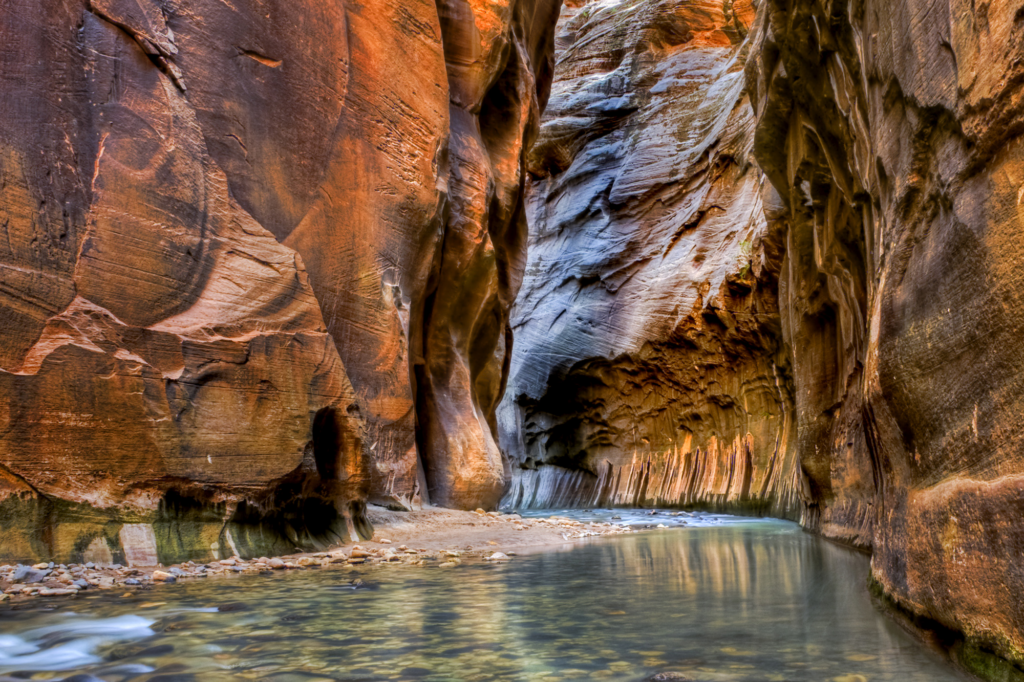
The Narrows is the narrowest section of Zion Canyon, where the Virgin River has carved 1,500-foot-tall walls of Navajo sandstone into a sinuous, breathtaking corridor. According to 2026 trail data, the “Bottom-Up” hike remains the most popular way to see the famous Wall Street section, where the canyon floor is only 22 feet wide. While no reservation is needed for the day hike, the river is subject to closure if flow rates exceed 150 CFS, making it vital to check the daily wilderness report. International visitors should note that Zion has also adopted the new $100 non-resident entry fee for the 2026 season. Hiking through the cool, knee-deep water while looking up at the sheer orange cliffs is a visceral reminder of the power of geological time and water erosion.
Cadillac Mountain Sunrise (Acadia National Park)
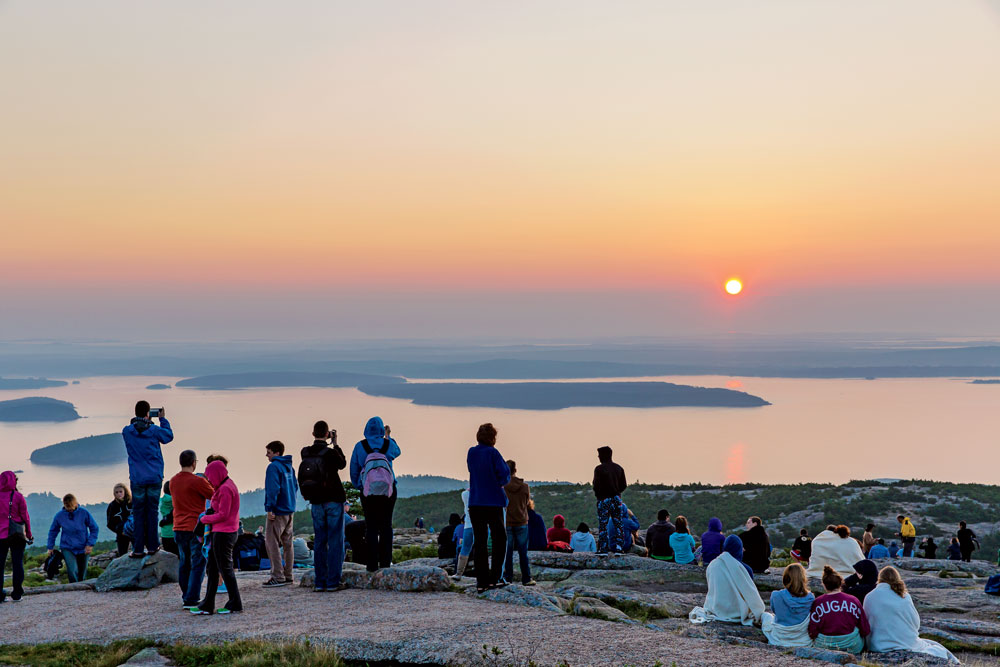
Cadillac Mountain is the highest point on the North Atlantic seaboard and is famous for being the first place in the U.S. to see the sunrise during certain months. For the 2026 season, Acadia requires vehicle reservations to drive the Cadillac Summit Road from May 20 through October 25 to prevent dangerous overcrowding. According to the National Park Service, 30% of these reservations are released 90 days in advance, while the remaining 70% are released just two days before the date. The panoramic views of Frenchman Bay and the scattered islands of the Maine coast are unmatched, especially when bathed in the first light of dawn. It is a highly competitive reservation to secure, but those who succeed are rewarded with one of the most peaceful and scenic moments in the entire park system.
Going-to-the-Sun Road (Glacier National Park)
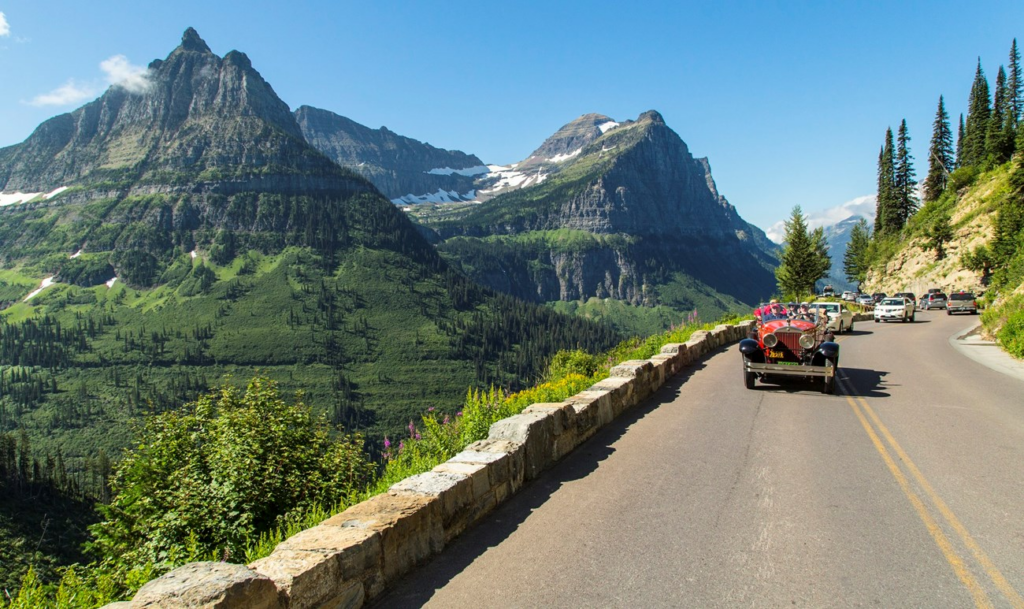
Going-to-the-Sun Road is a 50-mile engineering masterpiece that bisects Glacier National Park, crossing the Continental Divide at the 6,646-foot-high Logan Pass. In a major 2026 policy shift, Glacier has removed the vehicle reservation requirement for this road, offering much more flexibility for spontaneous road trippers. However, private vehicle parking at Logan Pass is now strictly limited to three hours starting July 1 to encourage turnover and reduce congestion. According to park officials, visitors planning longer hikes like the Highline Trail must now use the new reservation-only express shuttle system. This road offers a continuous sequence of glaciers, alpine meadows, and sheer rock walls that make it one of the most physically beautiful drives on the planet.
Havasu Falls (Havasupai Reservation near Grand Canyon)
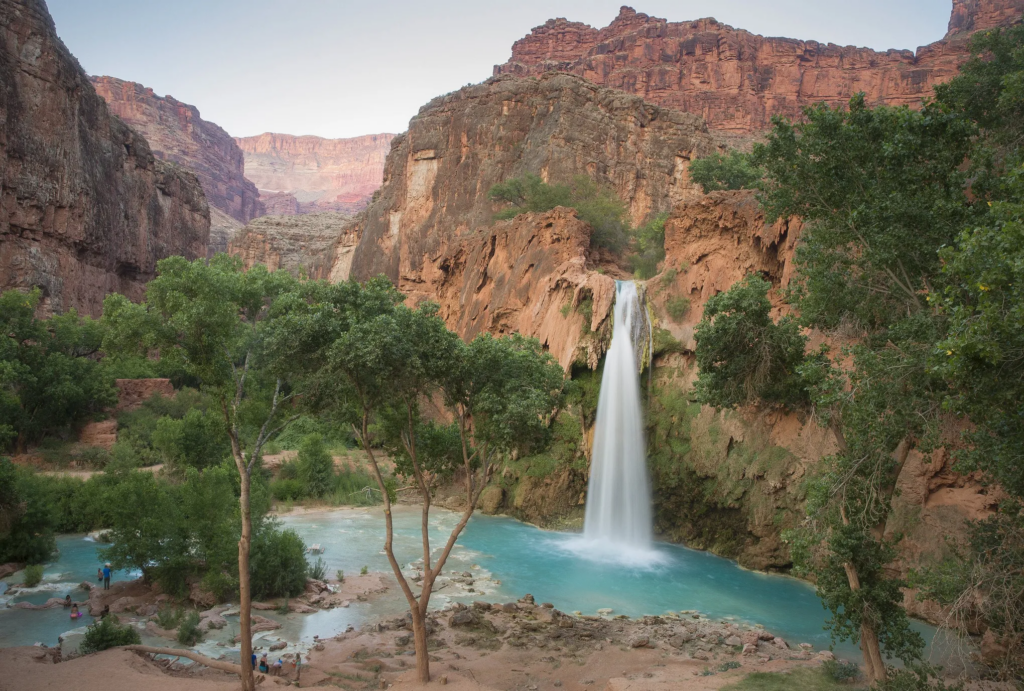
While technically on the Havasupai Indian Reservation adjacent to Grand Canyon National Park, Havasu Falls is widely considered the most beautiful waterfall in the region. The falls are famous for their vivid turquoise water, which gains its color from a high concentration of calcium carbonate in the creek. For 2026, the Havasupai Tribe has moved back to a direct reservation system, with permits for the campground priced at $455 per person for a mandatory three-night stay. According to official tribal announcements, the previous “lottery” system has been discontinued, and permits must be purchased on opening day in February. This is one of the most exclusive nature experiences in the country, requiring a strenuous ten-mile hike into the canyon, but the destination is a true desert oasis.
Thor’s Hammer (Bryce Canyon National Park)
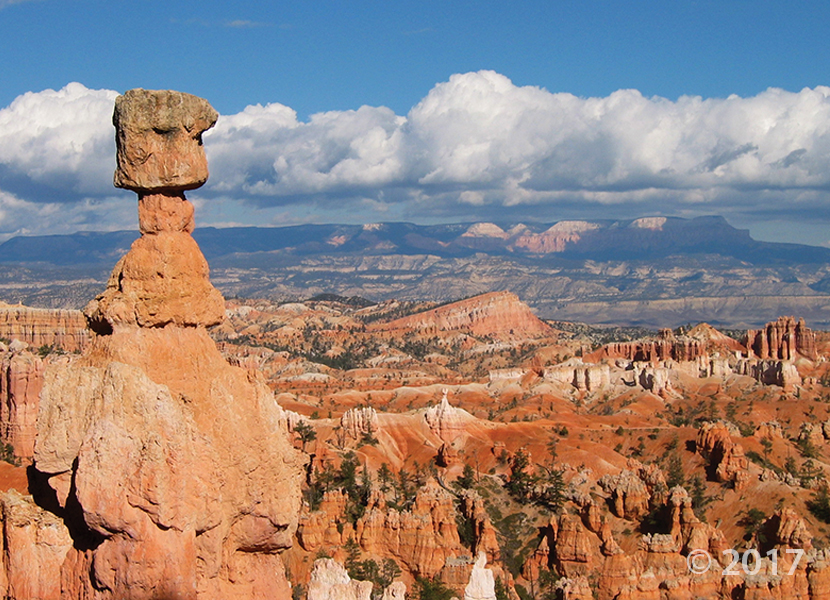
Thor’s Hammer is the most iconic “hoodoo,” a tall, thin spire of rock, located in the heart of the Bryce Amphitheater. According to geological data, these unique formations are created by frost wedging and chemical weathering that is more prevalent here than anywhere else on earth. For the 2026 season, Bryce Canyon has introduced a new lottery system for full moon hikes, allowing visitors to see the hoodoos under the dramatic shadows of the night sky. The Navajo Loop Trail provides the closest and most spectacular views of Thor’s Hammer as it descends sharply into the canyon floor. The contrast between the bright orange rock and the deep green of the scattered bristlecone pines makes this a premier spot for high-altitude landscape photography.
Maroon Lake (Maroon Bells-Snowmass Wilderness)
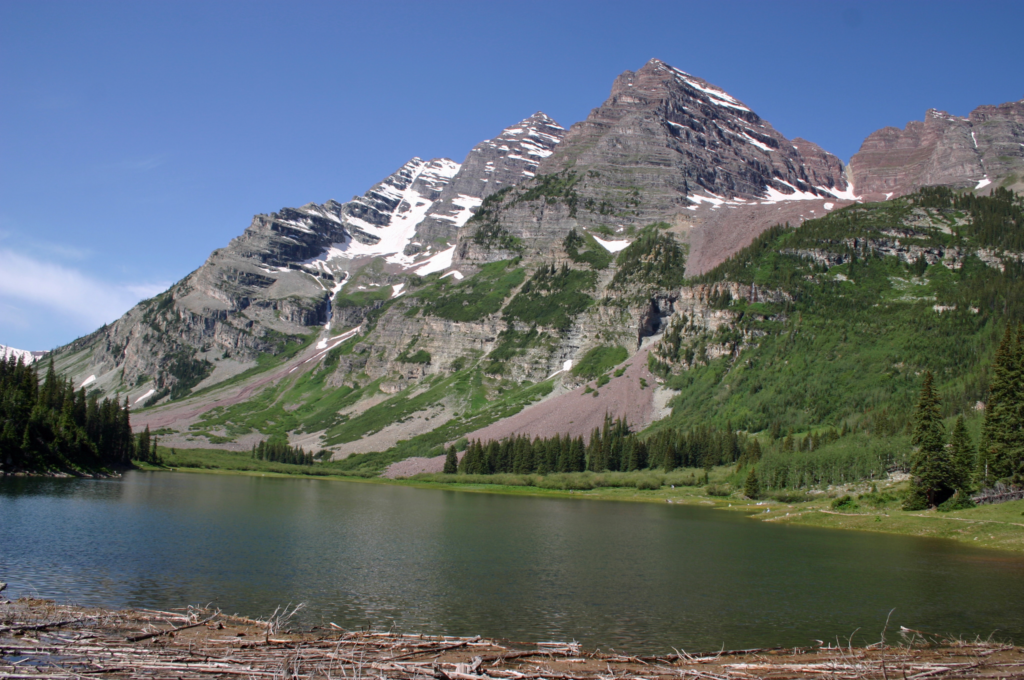
The Maroon Bells are two 14,000-foot peaks that are perfectly reflected in the still waters of Maroon Lake, creating Colorado’s most iconic mountain vista. To protect the area from extreme over-visitation, 2026 guidelines require all visitors to secure either a parking reservation or a shuttle ticket well in advance. According to the White River National Forest, private vehicles are prohibited between 8:00 AM and 5:00 PM, meaning the shuttle is the primary mode of access for most daytime tourists. The area is exceptionally beautiful in the fall when the vast groves of aspen trees turn a brilliant, shimmering gold against the red-purple hue of the mudstone peaks. It remains a masterclass in how managed access can preserve the serenity of a location that would otherwise be overwhelmed by its own popularity.