Some mountain towns now feel like theme parks with better views. These ten still feel like actual places where people live, work, and know the weather by the smell of the air.
1. Silver City, New Mexico
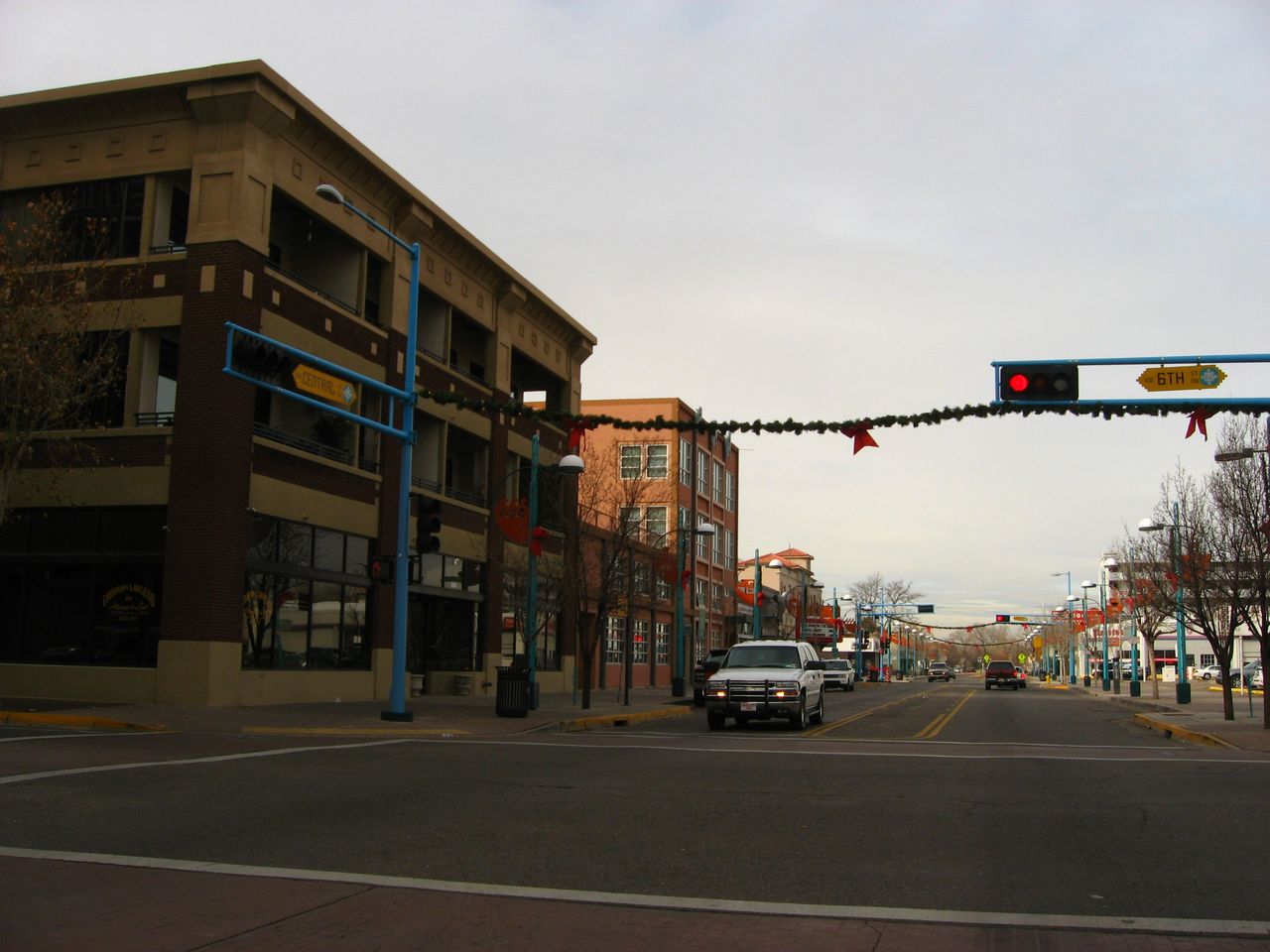
Silver City is one of the strongest answers to the question of where to go when you want mountain scenery without mountain-town performance. Set near the edge of the Gila National Forest in southwest New Mexico, it has real elevation, real history, and real breathing room. The town counted 9,704 residents in the 2020 Census, which is large enough to support good basics but still small enough to feel personal. That balance matters. It keeps the town useful instead of overly curated.
What makes Silver City stand out is that the surrounding landscape still does most of the talking. The Gila Wilderness, which turned 100 in 2024, remains one of the most important protected backcountry areas in the country. That gives the town a different rhythm from places built around a single resort or a big-name national park gateway. Visitors come for hiking, birding, hot springs, and the strange beauty of the high desert mountains, not for a crowded scene.
The downtown is artsy, but not in a manufactured way. It still reads as a working regional center for Grant County and nearby rural communities. Western New Mexico University adds life without overwhelming the place. That mix of students, ranching history, mining legacy, and outdoor access gives Silver City depth.
It also helps that getting there takes intent. Towns that stay healthy often have a little friction built in. Silver City is not accidental drive-through tourism. You go because you mean to, and that tends to filter the crowds.
2. Wallace, Idaho
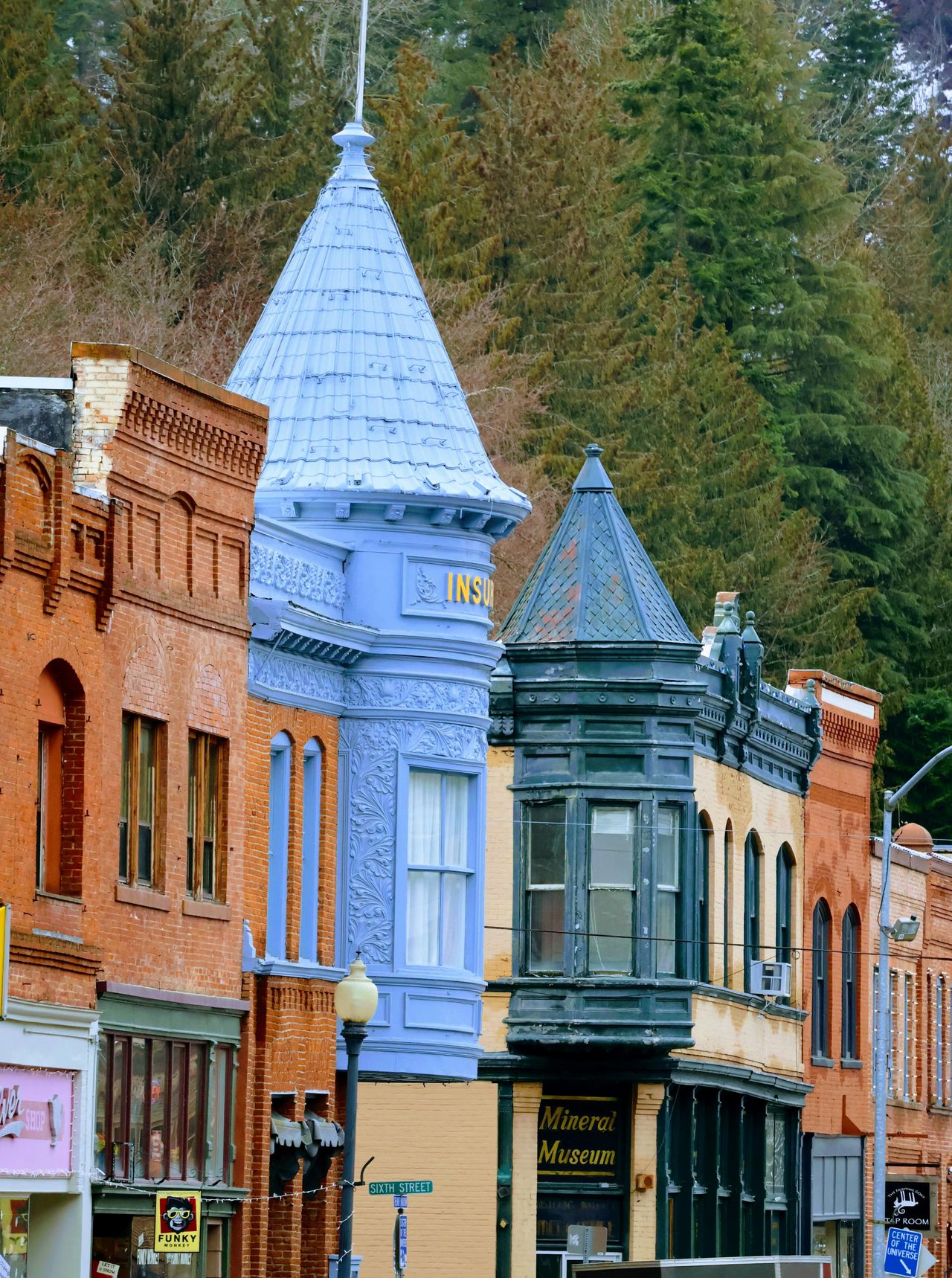
Wallace is the kind of town that could have easily become a gimmick and somehow did not. Tucked into Idaho’s Silver Valley, it has fewer than 1,000 residents, with 791 counted in the 2020 Census, and a historic core that still feels intact rather than staged. The entire downtown is famously preserved, but Wallace wears that history lightly. It does not feel polished into lifelessness.
This is old mining country, and that identity still shapes the place. The city notes that 21% of the world’s silver once came from the Silver Valley. That kind of industrial history gives Wallace a backbone many pretty mountain towns lack. It is not just scenic. It was built for work, and you can feel that in the streetscape, the brick buildings, and the local tone.
Outdoor access is excellent, but it is spread out enough to keep the pressure down. Wallace sits near the Trail of the Coeur d’Alenes, the Route of the Hiawatha, and other major biking corridors. That draws people who actually want to be outside, not just photographed outside. The activities are strong, but the town has not become a social media stage set.
Another reason Wallace still works is scale. It has enough bars, museums, and trail access to stay interesting for a weekend, yet it never gives the sense that it is trying to absorb a flood of visitors. It remains a real small Idaho mountain town first, and a destination second. That order is everything.
3. Lanesboro, Minnesota
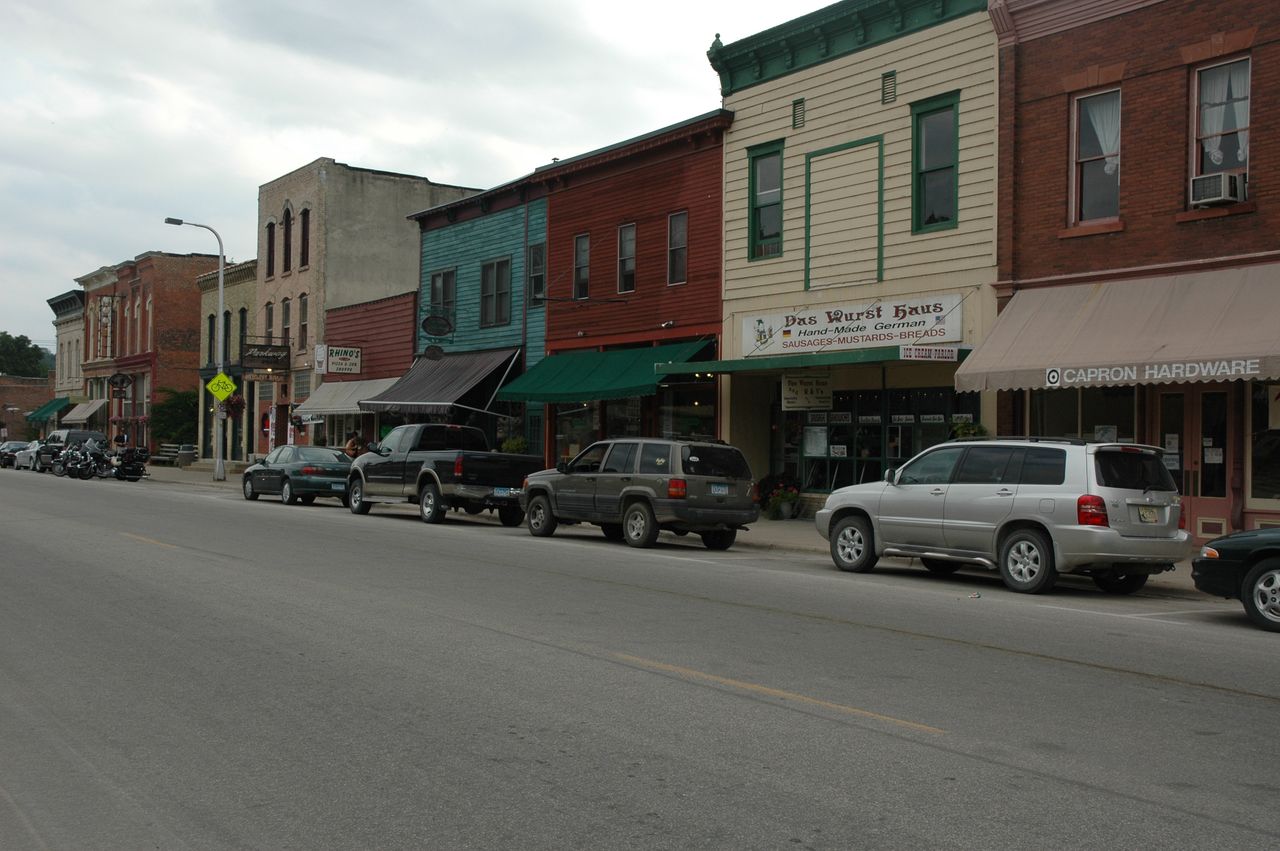
Lanesboro proves a mountain-town list does not have to be limited to the Rockies and Appalachians in the obvious way. In southeastern Minnesota’s Driftless Area, the terrain rises into bluff country that feels dramatically different from the flat-image stereotype many Americans still carry about the Midwest. The town itself had just 724 residents in the 2020 Census, and that small scale is part of its appeal.
The surrounding limestone bluffs and river valleys create a softer mountain experience. You do not come here for huge elevation or ski runs. You come for quiet roads, fly fishing, biking, and a landscape that unfolds gradually. Lanesboro has long been tied to the Root River State Trail, and the trail economy supports the town without making it feel overrun. That is an increasingly rare trick.
There is also a cultural seriousness here that gives the place more weight than its size suggests. Lanesboro is known for theater, galleries, and locally run lodging, but the atmosphere stays calm and unforced. It feels less like a place chasing attention and more like one that trusts its own pace. That confidence is appealing.
For travelers from larger Midwestern cities, it is especially attractive because it delivers a true change of scenery without requiring a major expedition. Yet it still feels sheltered from heavy tourism. The Driftless remains one of the country’s most underappreciated landscapes, and Lanesboro may be its most approachable small-town base.
4. Thomas, West Virginia
Thomas is one of those towns that reminds you revival and overexposure are not the same thing. In West Virginia’s Potomac Highlands, it has become better known over the past decade for music, art, and food, but it still feels grounded in its size and setting. The 2020 Census counted 623 residents. That tiny scale keeps the place intimate even as more travelers discover it.
The town sits near Blackwater Falls State Park, Dolly Sods, and Canaan Valley, which gives it access to some of the most striking mountain landscapes in the Mid-Atlantic. Yet Thomas itself remains low-key. There are no giant hotel clusters, no giant branded retail strips, and no sense of a destination trying to turn itself into an outdoor mall. That alone makes it stand out.
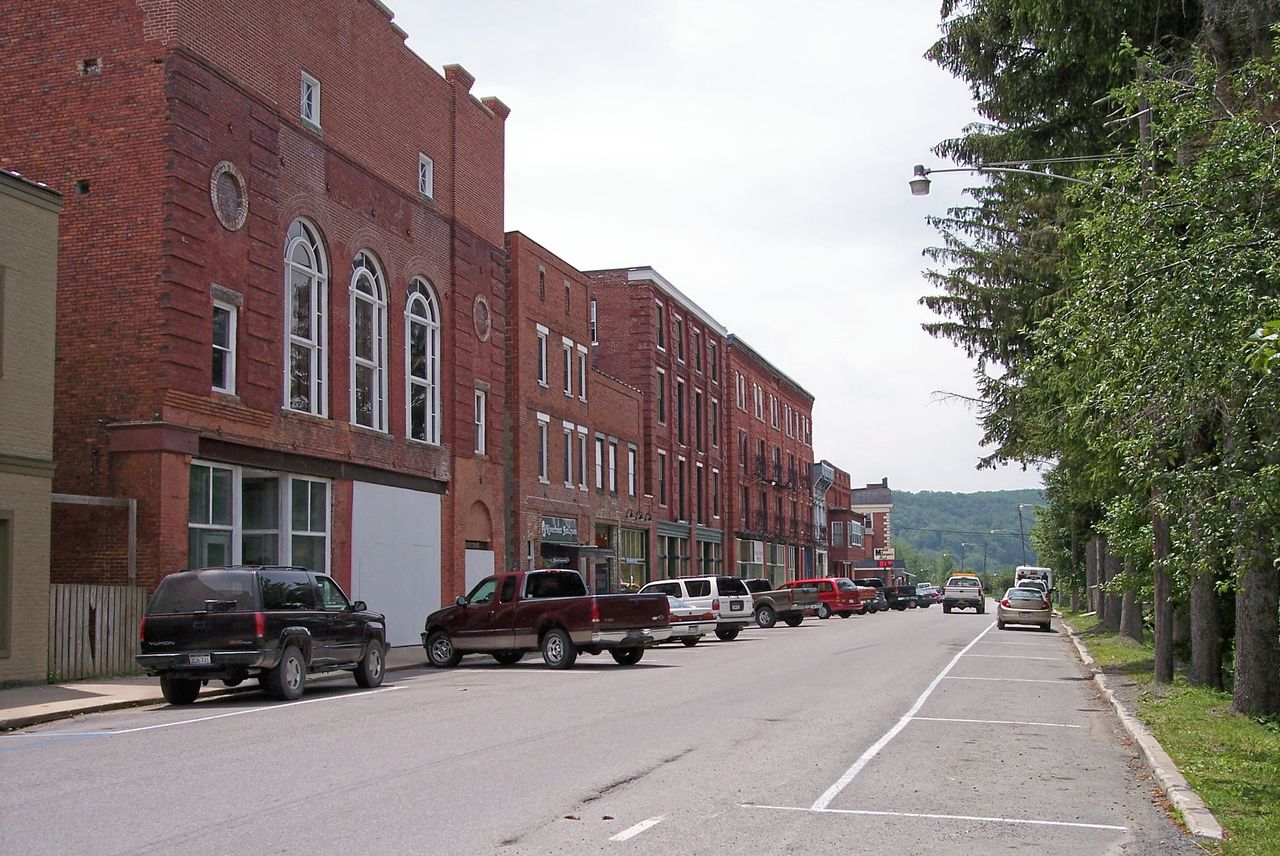
Its old coal-town bones are still visible, and that matters. Many American mountain towns sell charm without history. Thomas has both. Brick storefronts, steep streets, and rail-era remnants give the place texture. The newer cafés, galleries, and music venues work because they landed in a town that already had character, not because they invented one.
It also benefits from being slightly overshadowed by bigger names nearby. Davis gets some of the spillover. New River Gorge gets more national attention. That leaves Thomas in a useful position: appealing enough to visit, but not yet loved to death. For many travelers, that is exactly the sweet spot.
5. Brevard, North Carolina
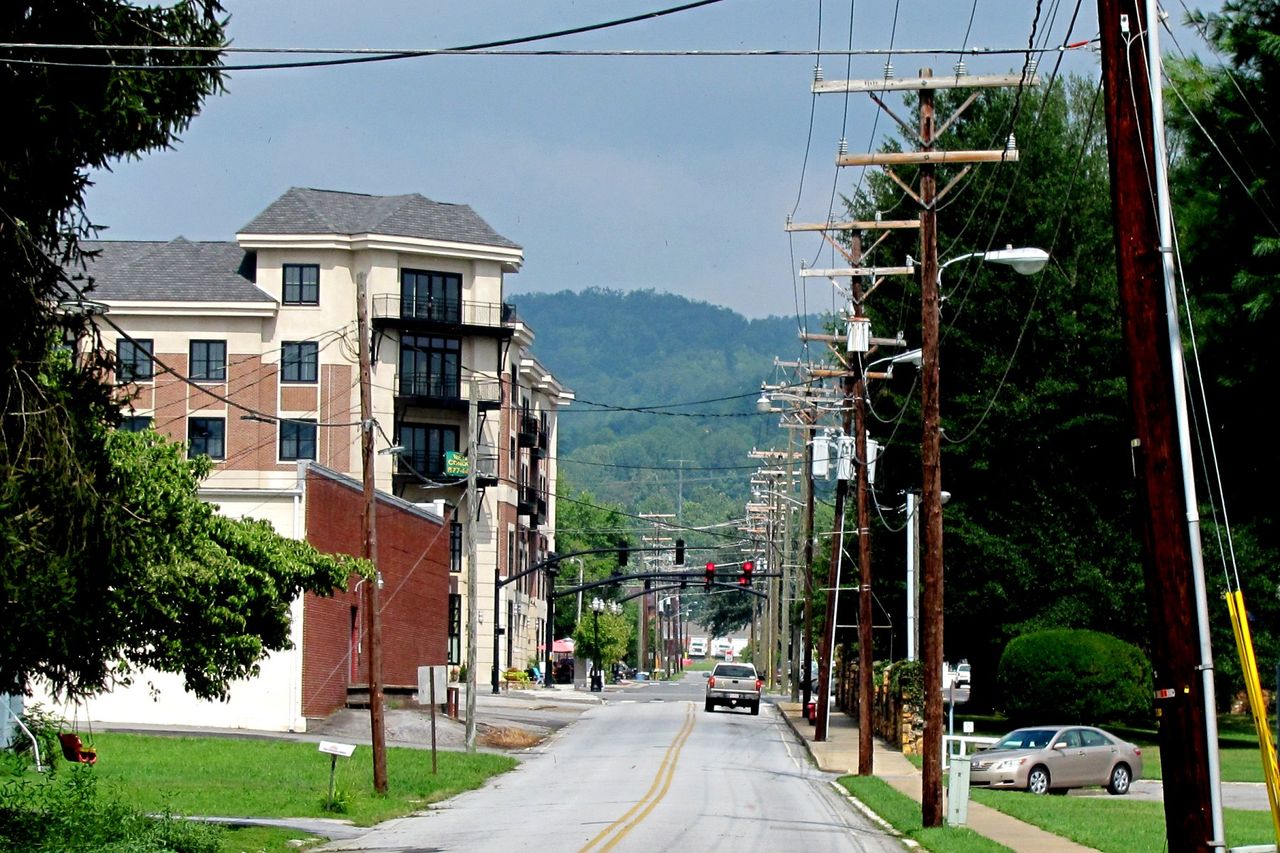
Brevard is not unknown, but it still feels remarkably livable for a Blue Ridge town with this much natural beauty around it. The city had 7,744 residents in the 2020 Census and sits at the doorstep of Pisgah National Forest, one of the great outdoor playgrounds in the East. Waterfalls, mountain biking, trout streams, and forest roads are all close by, yet the town still feels functional rather than overwhelmed.
Part of that comes down to the kind of tourism Brevard draws. People come to move. They hike, bike, paddle, fish, and then they go home tired. That creates a healthier local rhythm than places built mostly around shopping traffic or leaf-season gridlock. The town’s famous white squirrels add personality, but they do not define the place.
Brevard also has real civic and cultural infrastructure. Brevard College, music programs, and a solid downtown give it year-round life. That helps the town avoid the hollowed-out feeling that can hit tourist places between peak seasons. Even if you visit on an ordinary weekday, it still feels like a town with its own reasons to exist.
Western North Carolina has seen huge tourism pressure, especially in marquee destinations. Brevard has not escaped that entirely, and the wider region has dealt with major storm impacts in recent years. Even so, compared with more crowded mountain hubs, Brevard still offers a much more grounded version of the Blue Ridge.
6. Red Lodge, Montana

Red Lodge is scenic enough to be famous and somehow still feels modest. Located at the foot of the Beartooth Mountains, it remains one of the best small mountain bases in the northern Rockies. The city had 2,257 residents in the 2020 Census, and even with gradual growth, it has kept a small-town scale that matters on the ground.
The town’s location is a big part of the appeal. It sits at the start of the Beartooth Highway, the extraordinary road that climbs toward 10,947-foot Beartooth Pass and eventually links up with Yellowstone’s northeast approach. That sounds like a recipe for heavy tourism, and in peak season there is certainly traffic. But Red Lodge still feels more measured than the better-known Yellowstone gateways.
Its downtown helps. The place has enough hotels, restaurants, and outfitters to serve visitors, but not so many that the local identity disappears. Historic brick buildings and old mining roots still anchor the town. Red Lodge Mountain adds winter business without turning everything into a full resort economy.
It also benefits from geography. The northern Rockies have vast space, and not every beautiful town gets turned into a frenzy. Red Lodge is popular, yes, but popularity is not the same thing as ruin. You can still walk around and feel that people live here for reasons beyond extracting tourism dollars. That is a meaningful distinction.
7. Bisbee, Arizona
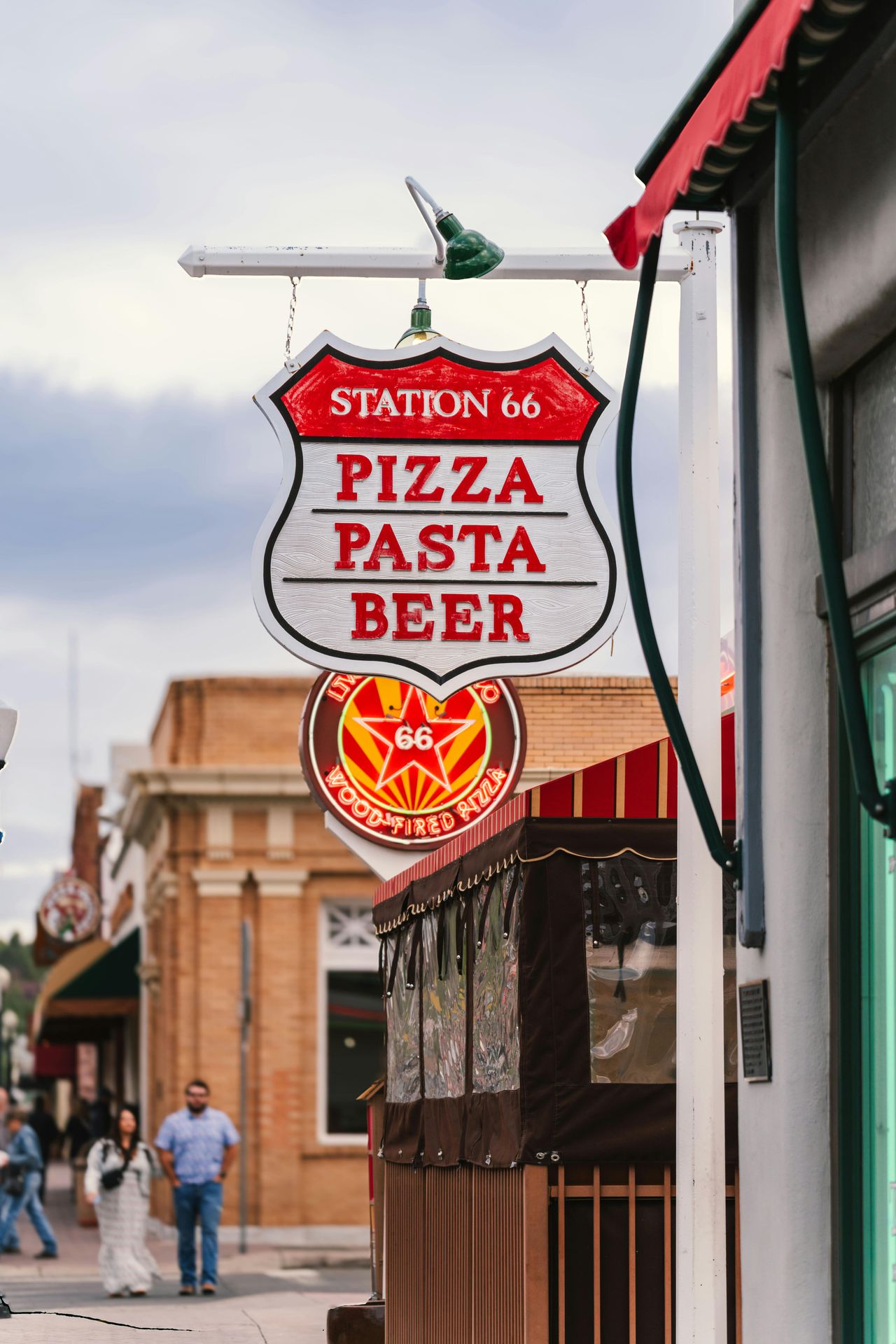
Bisbee belongs on this list because mountain towns in the US are more varied than people think. Set in the Mule Mountains of southeastern Arizona at more than a mile in elevation, it is not the pine-and-ski version of a mountain town. It is something stranger and more memorable. The city had 4,923 residents in the 2020 Census, and it still feels eccentric in a way that has not been flattened by mass appeal.
The mining history is central here. In 1910, Bisbee was one of the biggest and most prosperous cities in the West, with a population above 20,000. That scale left behind an urban fabric far more interesting than what a town of under 5,000 would normally have. Stair-steps, tight streets, hillside houses, and old commercial buildings make the place visually rich.
Tourism is important now, but the town still has edges. That is good. It keeps Bisbee from feeling too smoothed out. The historic district, galleries, bars, and old Copper Queen identity all pull people in, yet the place still feels slightly offbeat and self-directed. It does not seem desperate to please everyone.
And that may be why it has held up better than more polished desert destinations. Bisbee asks a little more of the visitor. You walk, climb, linger, and accept some quirks. Towns that require that kind of participation usually keep a stronger sense of self.
8. Harpers Ferry, West Virginia

Harpers Ferry is the trickiest town on this list because it is clearly well known. Harpers Ferry National Historical Park drew more than 488,000 visitors in 2024 according to West Virginia Public Broadcasting, which is a serious number for a very small place. Still, the town itself has not been ruined in the way some heavily visited mountain destinations have. That distinction matters.
The setting is spectacular, at the meeting of the Potomac and Shenandoah rivers with steep ridges rising around it. It feels mountainous in the lived sense, with dramatic terrain shaping the streets, trails, and views. The Appalachian Trail passes through town, and the landscape does much of the emotional work that people come for.
Why include it? Because visitation is concentrated and managed in ways that prevent the whole place from becoming pure chaos. The National Park Service structure, shuttle systems, preserved lower town, and historic framework all contain some of the pressure. The village remains small, textured, and meaningful rather than becoming a generic tourism strip.
That does not mean it is empty. It is not. But ruin and popularity are different things. Harpers Ferry still offers history, hiking, river access, and a sense of place that outweighs the visitor traffic, especially if you avoid peak weekends. For an Eastern mountain town so close to major metro areas, that is impressive.
9. Ouray, Colorado
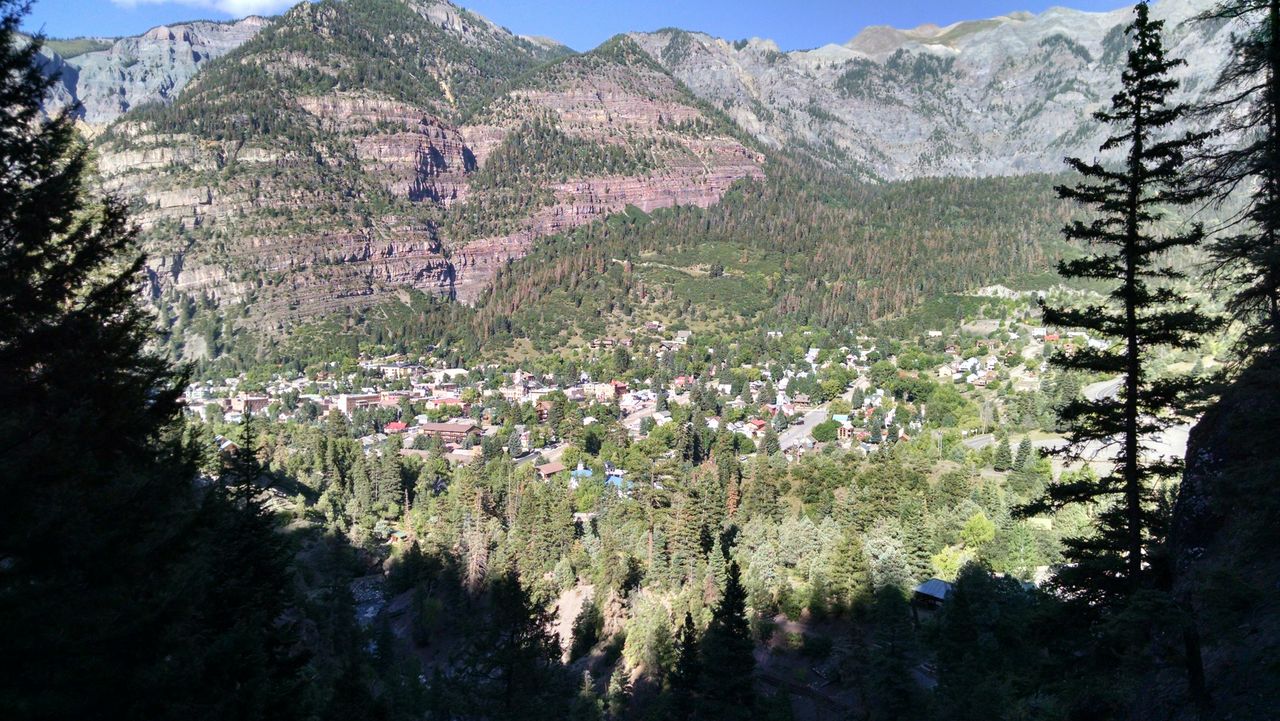
Ouray may be the most beautiful town on this list, which makes its relative restraint all the more surprising. Tucked into a steep San Juan Mountain valley, it looks almost too perfect to still feel authentic. Yet it does. Tourism is the backbone of the local economy, and Colorado has openly worked on responsible visitor management here, but Ouray still feels calmer than many bigger-name Rocky Mountain towns.
Part of that comes from size and form. The town is small and visually contained, with the mountains doing all the framing. You cannot mistake where you are. Unlike larger resort centers, Ouray has not sprawled into something anonymous. It remains compact, walkable, and tied closely to its mining-era origins.
The visitor mix also helps. People come for ice climbing, jeeping, hot springs, hiking, and the Million Dollar Highway, which spreads interest across seasons and activities. A town handles tourism better when everyone is not showing up for one exact thing at one exact hour. Ouray has enough diversity in outdoor use to keep it from feeling one-note.
To be clear, this is not a secret. But a place can be popular and still not feel wrecked. Ouray has managed that better than many Colorado peers. It still delivers awe without the emotional fatigue that crowded mountain towns often create.
10. Jim Thorpe, Pennsylvania
Jim Thorpe is another town that tests the definition of overtourism, because on fall weekends it can feel very busy. But over the course of the year, and compared with the most overexposed mountain destinations in the Northeast, it still holds together better than its reputation suggests. The borough had 4,507 residents in the 2020 Census, and its dramatic setting in Carbon County still does not feel fully consumed by visitor demand.
The town’s topography is a major reason it belongs here. Built into a steep Lehigh Valley landscape, it has the vertical drama and compact historic core that make mountain towns compelling in the first place. Lehigh Gorge State Park, rail trails, river recreation, and nearby forest land give it a genuine outdoor base, not just a pretty downtown.
There is tourism fatigue here at times, especially in foliage season, and anyone pretending otherwise is not being honest. But Jim Thorpe still has more substance than spectacle. Its railroad history, architecture, and connection to the surrounding terrain give it weight. It is not merely a backdrop for weekend selfies.
In that sense, it survives on this list as a borderline case with a strong argument. It is well loved, but not yet hollowed out. Visit on a shoulder-season weekday, and you can still see the version of the town that made people care in the first place.