
So you are thinking about making a big life change and living in an RV full time. And now you are starting to wonder exactly what changes will be required and how much money do you need to live in an RV full time.
At least those are the exact thoughts I had when we decided to travel the United States and do full time RV living in our fifth wheel.
It is realistic to live in an RV, and thousands of people do so full-time throughout the U.S. You just want to make sure you prepare a few things up front like what type of RV is best for you and where you plan to camp in your RV.
Full-Time RV Living
While there is more than one way to do get started full time RV living, make sure you are prepared for the more significant lifestyle changes of RV life and ask yourself these seven questions:
1) How much am I ok with down-sizing
Are you going to sell your home and car? Will you sell or store most of your belongings?
Living full time in your RV is going to require a minimalist lifestyle.
Depending on what size rig you decide on will determine just how much you can carry, but even a 45’ Class A has less than 400 square feet of living space.
We decided to sell our house, cars, and most of our belongings over the course of a year before moving into our RV.
If this is the route you want to take, I suggest to start down-sizing now, even before moving into your RV. It is much easier to down-size in waves than all at once.
We would purge our clothes one month, then our kitchen the next month, and so-on each month until we moved into our RV.
I would even come back to my closest after each season to donate any clothes I didn’t wear and likely weren’t essential to my wardrobe.
Some full-time RVers do keep their homes and rent them out instead of selling, but that does require a trade-off.
You can also rent a storage unit if you have too many keepsakes and know you want to own a house again one day. Obviously the bigger the storage the more expensive it is, so I would still recommend trying to down-size as much as possible.
Another reason I suggest buying your rig before moving out of your home is so you know exactly how much you can fit inside your rig (don’t forget to not go over the rig’s weight rating either).
Before living in an our RV we had a 3 bedroom house and we each had our own closet. Now, we share one tiny coat closet and have about 7 pairs of shoes each.
I couldn’t imagine down-sizing that much when we first starting planning to go full-time, but slowly purging a little each month helped us realize we don’t actually need as many clothes, shoes, and things.
2) Where do I plan to live in my RV
You should consider all your options of where you can live in your RV, such as RV parks, state parks and BLM land. We personally choose to live in our RV at all three locations depending on the town we’re visiting, but a majority of the time we are camping on BLM land.
In case you didn’t know, the Bureau of Land Management (BLM) is a government organization that manages areas of land that are open to the public for camping, and usually free! Campgrounds managed by the BLM are primitive, with no hookups or bathrooms.
We use apps like Campendium to find where these BLM lands are and read reviews from others who have camped there previously.
View our favorite free campsites on the Western U.S for some of the best BLM spots!
The challenges to camping on BLM land is the spots are not reservable, the internet can be hit or miss (check reviews on Campendium first), there are no hookups and the campsites are usually down dirt roads that can be rough.
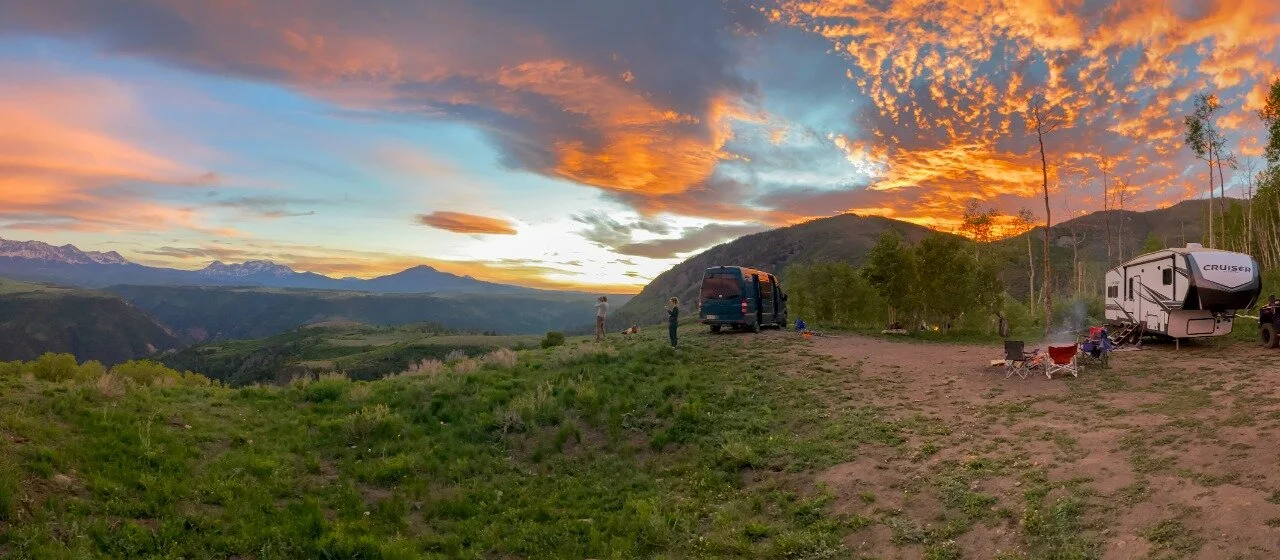
With that said, we still camp on free BLM land a majority of the time, because these lands have some of the best views right outside your door, people are usually friendlier when camping on BLM land versus RV parks, and it is free!
To make things easier you may want to consider installing a basic solar package on your RV and getting bigger holding tanks for fresh water and grey water.
We have 60 gallons of fresh water, an 88 gallon grey water tank, and a 40 gallon black water tank. We always run out of fresh water before getting anywhere close to filling up either the grey or black tank, but our 60 gallons of fresh water lasts 2 weeks for the two of us.
If camping on BLM land sounds too primitive for your travel style right now then state campgrounds are the closest for getting more space and phenomenal views, but you can have hookups, bathrooms, and much easier access roads.
You can find a lot of state campgrounds on recreation.gov to make reservations.
If you plan to be more stationary and stay in a city for at least a month or just like having all the amenities then RV parks are a nice option.
We tend to book a month long stay at an RV park a few times a year when there is a town we want to spend more time in or just need a break from consistent traveling.
RV parks usually have a monthly discount that is notably better priced than their nightly or weekly rates so be sure to ask when booking your reservation.
Speaking of which, in the summer and winter, reservations are sold-out months in advance for popular towns so be sure to book as early as you can, especially if you’re trying to stay for a month.
Overall, it’s important to know where you want to park your home so you can get an idea of what works best for you, your family, and your rig.
I highly recommend trying all three options, but starting with an RV park first so you can have an easier transition and get to know your rig before camping on BLM land in the middle of no where with no hookups.
Related: Tips for Living in an RV in Winter
3) What kind of RV is best to live in full-time
The million dollar question always seems to be “drivable or towable”? We changed our minds so much over the course in the one year while planning for RV life.
We thought living in a van or 24’ Class B would be agile and ideal, but then realized we have too much stuff and do better with more space. We moved on to Class A’s, but thought it was too much for us, and then eventually ended up with a 30 foot fifth wheel.
My best advice is to go tour all of them! We found RV shows in our area and even big dealerships to get a feel of actually standing in the space and seeing ourselves living inside.
Here are my pros and cons for each major type of RV:
Van or small Class B/C:
Pros
-
shorter in length so can access more parking spots/campgrounds
-
only 4 tires to worry about
-
always have our home with us to cook, rest, etc.
-
passenger can access home while driving
Cons
-
not as much space for storage
-
smaller fresh water, grey and black tanks
-
cannot save our campsite when boondocking
-
always have to “pack up” when need to go somewhere
Class A:
Pros
-
more space and storage than a Class B or C
-
usually more luxury options & big viewing window for driving
-
larger holding tanks for fresh water, grey and black water
-
passenger can access home while driving
Cons
-
still will want to tow a vehicle behind you for easier access outside campground
-
if need maintenance, will require a more specialized mechanic
-
not as high clearance or off-road friendly to access some free BLM spots
Travel Trailer:
Pros
-
wide variety of floor plans and numerous length options from 12 to 40 ft
-
usually a lot more affordable options (beware of quality)
-
most readily available to buy new or used
Cons
-
more tires and moving parts to worry about
-
lower head clearance for those over 6’
-
fresh, grey, and black water holding tanks are usually smaller than fifth wheels
-
will possibly require a new vehicle that is equipped to tow the trailer
-
trailer sway is common for trailers over 20’
Fifth Wheel:
Pros
-
easier to tow than a travel trailer of the same length
-
larger fresh water, grey and black water holding tanks (can go longer without dumping)
-
taller ceilings that make it feel bigger
-
higher ground clearance and easier to access off-road BLM sites
Cons
-
taller and need to worry about gas stations and bridge clearance
-
will possibly require a new truck that is equipped to tow the rig
-
bigger and cannot fit in as many national park or state campground sites
There are always exceptions to every pro and con, but you won’t know exactly your must-haves until you go see or even test out each rig.
Whatever rig you decide to go with, don’t forget to purchase these 15 Must-Have RV accessories for any rig.
The biggest advice I can give is if you plan to go off the grid and not have hook-ups, consider how much water you will need. We learned how to stretch 60 gallons in two weeks for two people and that is about how long we like to stay in one place on average.
Also, don’t underestimate the quality of the brand that is making your rig and the dealer who is selling it. Do research on both and read reviews from past purchasers. You will have something break eventually in your rig and you want to know that brand or dealer still answers their phone and provides help after the initial sell.
— Read next: 7 Best Travel Trailers to Buy [+Brands to Avoid]
4) Will I need to work from the road
Now that it is becoming popular for people to hold remote jobs, more people are considering traveling and living on the road full time. Even if you don’t need to work while on the road, you may still want internet to stream Netflix, FaceTime with family, or just browse best things to do and places to eat in the town you are visiting.
If you are going to need internet and cell service while living full time in your RV than make sure you consider how you’re going to get that wifi or signal.
For cell phone service, it still holds true that Verizon and AT&T have the best coverage throughout the U.S.
Starlink for RVs is also becoming very popular since it can pick up the best signal in remote areas, and it seems like people can get this service quicker than for residential use.
We have Verizon and usually always have cell signal to talk, but sometimes when we are on BLM land and further from town we don’t get great internet signal and speeds are similar to dial-up. Another reason why we always check the reviews on Campendium before we choose our campsite.
When it comes to work, I work on the blog full time and don’t use much over 25gb of data per month. Sunny’s job on the other hand does require him to have video calls for about about 2-3 hours a day, in addition to his internet use so he uses 30-50gb a month.
We have 50gb combined of hot spot per month with our Verizon cell plan and 100gb with our ATT hotspot.
Combined, that is plenty data for us to both work full time and stream 1-2 shows on our Fire Stick every night.
You can also use your cell phone to make video calls so you don’t waste hot spot and when you are anywhere with free WiFi, download shows to a tablet to watch them offline.
5) Where will my mail go and where is my “home” state
Once you’re a nomad, there are going to be a few things that get a bit harder. Like where will you send your mail, what state do you get your car and RV insurance through, and which state do you want to register to vote.
It is easiest to not have to completely change your drivers license, vehicle and RV insurance, and voter registration all along with changing where you send your mail.
If you are fortunate enough to have someone who will let you forward your mail to their house and manage it that is ideal, but over time it will become a burden for someone.
At the bare minimum I recommend checking out programs such as PostScanMail that can forward mail to any of the 50 U.S. states for as low as $15/month.
If you are ready to make a complete change because like us, you come from a state with high taxes on everything (looking at you California) then states with no income tax are popular states of residence for full-time travelers.
A lack of state income tax makes South Dakota, Florida and Texas the most popular states of residence for full-time RVers.
For example, you could become a resident of South Dakota and go get your drivers license after camping or staying in a hotel for only one night. You can view all the steps to become a South Dakota resident and set up your mail by visiting choosesd.com.
6) Am I comfortable getting dirty and learning new things
If you’re like us and never owned an RV or trailer before living full-time on the road then you are going to have a steeper learning curve, but I can say from experience it’s actually not that hard to learn.
We use google and YouTube a lot to figure things out like how to dump your black tank, tips on how to tow a trailer or what RV maintenance should I be doing.
Being able to do these things on our own has given us so much confidence and freedom.
Sadly no RV is made well enough to live in full time and eventually the cabinets may break or the holding tanks may leak. But I promise you’re not the first to experience these RV struggles and even better, someone has recorded a video or written a blog article on how to fix it!
You just have to be open to learning how to fix these things yourself. And honestly you can always go to an RV dealership if getting your hands dirty isn’t your style or the problem is just too big.
The only downside of going to a repair shop is you don’t have a home to live in now and it can take weeks to get your RV serviced.
There will be new stressors of full time RV living, as you can imagine when you’re towing your home down the highway, but that is the beauty and benefit to this life as well!
7) Is full time RV living worth it
While this is something you may not fully be able to answer until you starting traveling, it is something you should ponder.
You’re going to be giving up things like extra storage space, in house laundry and your go to Mexican restaurant. Honestly, the hardest thing for us has been not having our family and best friends nearby.
On the other hand, the experiences and new friendships you will gain are completely worth the journey! And don’t forget – nothing is permanent. If you need to take a break or go back home for a few months, that is allowed.
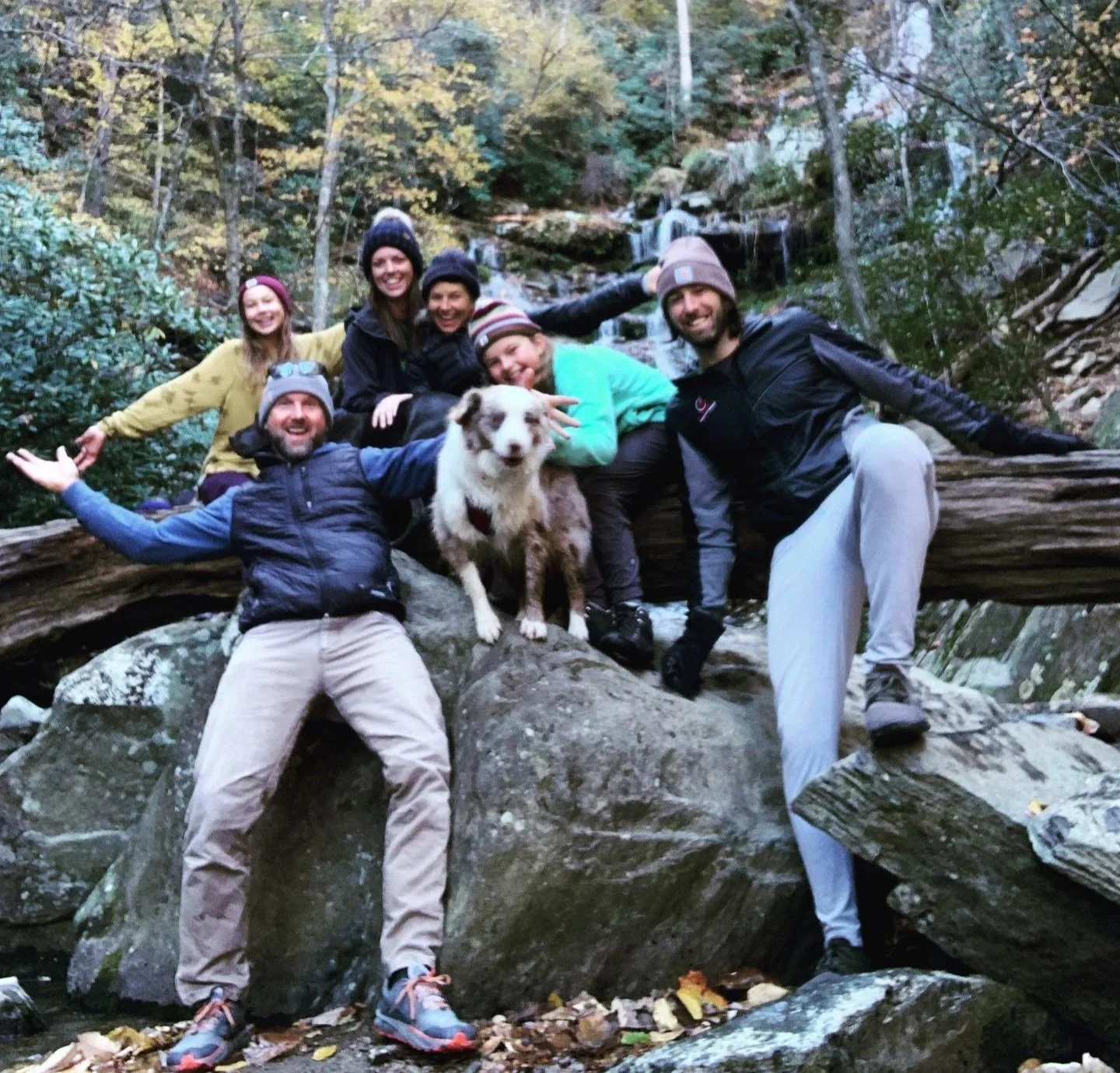
Living on the road in our RV full-time I have met some of the most amazing people that truly understand me and my take on life.
All in our first year, we traveled and explored over 13 states, 15 national parks, and lived in Ecuador for two months. We have so much more freedom and appreciation with our time.
It can be tough on relationships if you’re not used to being around your spouse or children nearly 24/7, but that is why you always have to think of it like a trial.
You can always change your situation, but I think living on the road and traveling full-time is at least worth a try.
Remember that your journey does not and will not be the same as someone else, but you also cannot be too scared to see where the road less traveled might take you.
Our personal RV life journey has changed significantly over the years. We’ve learned our mental health is best when we slow down, enjoy towns for at least a month, and plan routes where we can see family and friends more.
Let me know in the comments if you have any questions about how we got started, the fifth wheel we chose, or anything else that may help you convince yourself or your family to give it a shot!
more RV tips —


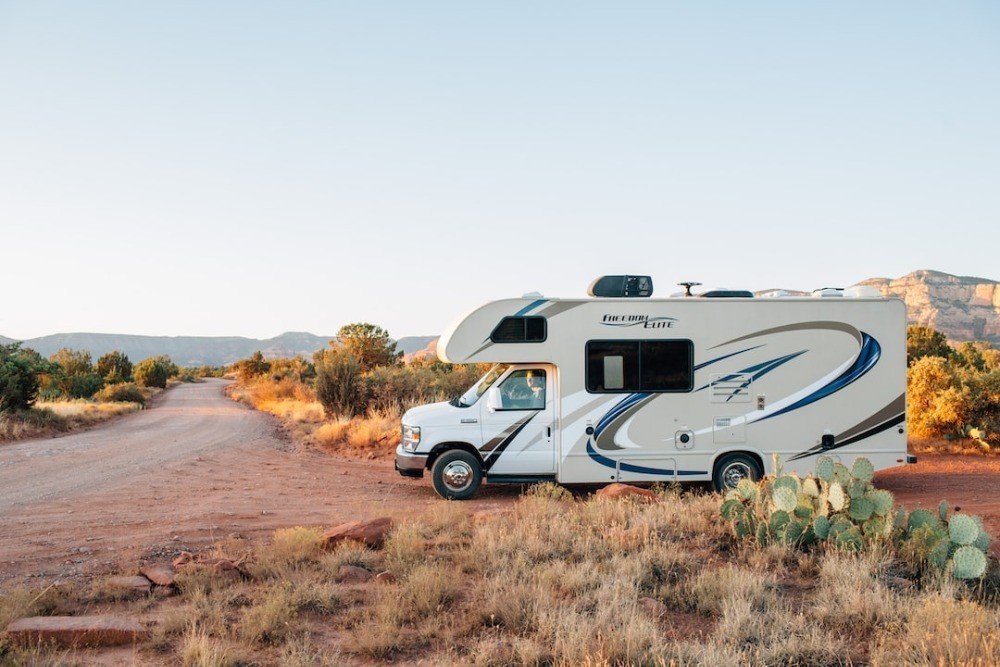
![7 Best Travel Trailers to Buy in 2025 [+Brands to Avoid]](https://images.squarespace-cdn.com/content/v1/5fcc02a08eda244dc49e8a8b/1673551938709-QUVC3C4NDKDE6EQX81SR/best-travel-trailers-2023.jpg)

pin it —


Love your article!!
In my post I forgot to mention that, my choice of choosing RV living is my job relocates me all over the US. I thought this would be the way to go cause I will always have a HOME.
SO, now I read that some places aren’t open in the winter and my job doesn’t tell you where your going to close to the time of transfer. Now I’m worried that I wouldn’t find a place to nest for the duration of my job.
Ugh …
I know in my heart this is for my yet there’s that …….
There are a lot of people who still live in their RV in winter. I would recommend staying somewhere like an RV park where there are hookups. Once you do know where you’re relocating just call RV parks in the area and see what they recommend to keep your RV warm during their winters. It’s definitely doable!
This was an Excellent resource for My to gather info as a first timer headed for a new journey. Thank You
I’m so glad I could help! Please feel free to reach out with anymore questions you have for Rv life. Wishing you all the best!
Hello, thank you for sharing your insights to full time rving. My wife and I are retired and part time full timers for about 2 months at a time for about 1/2 the year. We are happy to have a landing place near family but have realized lately after landing our home is starting to feel like an unwanted anchor and we’re ready to hit the road again soon after returning. We are seriously contemplating jumping into full time in the next year and really appreciate your insight and advice. We currently own a travel trailer which is adequate for a couple months but neither of us feel it will be for full time. My wife is thinking a sprinter style C would be better as she would help with the driving as she is not comfortable towing. I like the tank capacities and space vs cost of a fifth wheel and I’d rather be driving anyways. I really appreciate your pro and con lists and we’ll definitely consider them in our decision. The only thing we are uncomfortable with is boondocking on blm land. We lived out west once and I know how some land owners that live by or lease blm land consider it as there own and don’t want people on it. I guess research and reviews can explain which areas should be avoided. Anyways thanks again for your input.
I’m glad we can help! The reviews on Campendium help a lot on deciding which BLM land feels safe and you can know if anything has changed recently or not depending on the review date.
Hello ☀️ Thank you for your helpful information. My husband and I lived full-time 2004-2009 in our rig . Tried a land home for 7-8 years. We have just sold our home and searching for our next rig. Plan is to be on the road by mid January 2023. You have brought up so many amazing ideas and suggestions, which allow me to remember just how enjoyable the full-time life style in a rig was and will be again soon. During this adventure we plan to spend most of our time traveling and boondocking. Your suggestions and information regarding boondocking were most helpful. Thank you and safe travels!
Hi Mary, I’m so glad you found this article helpful. Hope you can find the next rig best for you two and enjoy traveling again!
Thank you so much for this valuable information to ponder over before RVing. I am single and hate the cost of rent, and have been seriously considering on living in an RV full-time and traveling. After reading this article, I realized I have to sell my small Ford Sports Trac and get a real truck LOL. I do really have to consider the monthly cost vs my current monthly cost. I don’t have the money to pay cash for the motorhome & truck. My only downfall! Now I know what questions to ask myself – that is the most important factor!!! Thank you again this is a great article!
So glad we can help and provide some insight as to what full-time RVing looks like these days! The costs can easily add up while living on the road so it’s just as important to plan on your costs for this lifestyle as well.
Thank you very much for all the informations, I’m considering to sell out house and buy a motorhome, we live in Alberta, Canadá, the plan is travel to tropical weather in USA states in while is winter here,I will retire soon and my husband already is, is a lot to learn about nomads life.pros and cons, but your article help me to understand, very clear all the details we have to look after.Thank you again, and hope you and your wife will enjoy this adventure for more years to come..❤
There is so many Canadian snowbirds who travel to the states for winter, especially in Arizona and Florida, so I’m sure you will meet plenty of people here to make you feel at home as well!
Thank you very much for the information. It was extremely helpful and very meaningful. I’m trying to decided on RVing full time and a lot of my fears were laid to rest through your article. Thank you and keeping writing about RV life.
That makes me so happy to hear, thank you so much for taking the time to write this comment 🙂
Thanks for the suggestions. My husband and I have been full time 2.5 years. First year did the bucket list. Second year Camp-hosted 5/12 months. This year will camp host probably 10/12 months. We have shied away from BLM and gravitated to state and federal campsites when not hosting. I didn’t know we could get bigger water and grey tanks! Thanks! Stay safe.
Camp hosting is something we are considering doing in a few years, just not sure if we know how to stay put longer than a month…
So grateful to find your blogs!! They are very informative, thorough, and have answered all my questions!! This is the best blog I’ve found on full time RVing so far! I am honing in on a medium sized travel trailer and an SUV that could pull it. I work remote and would homeschool my son (we used to). You really helped me understand the different types of parking/ camping options. Thank you!
I’m so glad we can help you consider all your options! We absolutely love going off the grid and camping on BLM land!
PS- curious if you could recommend which solar panels to put on the travel trailer/ how much we’d need, and if you’ve heard much about the flexible panels? I saw a few post about those but wasn’t sure.
Also, with me pulling the trailer w an SUV that can tow it, I get nervous of the turns and parking, etc… and swaying etc. I’m new to driving large vehicles/ mostly the length makes me nervous lol. Any tips? Thanks much!
Hi Lauren, I’m so glad we can be of help on your next journey! We have a few blog posts specifically on solar if you navigate to "RV life" in the menu bar. Solar setups will greatly depends on your energy use.
We also have a post specifically on towing a fifth wheel but they are very similar. With a travel trailer, you may want to invest in sway bars to help limit any additional swaying, especially on windy days. As with anything, practice also makes perfect so start practicing towing, turning, and parking in large parking lots like your local fairgrounds.
Can we bring out own camper 22′ long. Is there hookups for someone bringing their own camper. Please let us know. No kids, seniors just looking for somewhere to live out the rest of our lives. I’m a planter so it would be a nice looking trailer.
Im interested, you say you lived in Ecuador for 2 months, how did you get your rig around the Darian gap? please reply to [email protected]